x

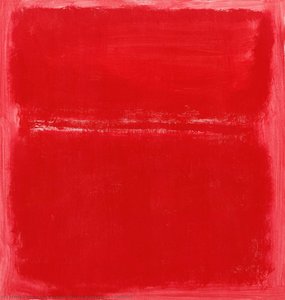
 Acrylic On CanvasWallArtAbstract Expressionism
 1964Modern
 267.0 x 204.0 cm
Ručně malovaná olejná barva na plátně ve vašem zvoleném rozměru i s rámem, vyrobená našimi umělci na zakázku. ( Koupit tisk Koupit obrázek)





























Vyberte si z našich přednastavených velikostí, které odpovídají původním proporcím díla.

Můžete zadat vlastní rozměry pro konkrétní rám nebo prostor. Pokud se vámi vybraná velikost neshoduje s proporcemi původního obrazu, dílo buď ořízneme, nebo jej doplníme ručně malovanými prvky. Před zahájením výroby vám bude zaslán digitální náhled ke schválení.
Upozorňujeme, že náhled na obrazovce neodpovídá skutečnému ořezu ani rozšíření. Pouze digitální náhled přesně zobrazí finální kompozici.
Ačkoliv je možné zvolit vlastní velikost, pro zachování původních proporcí doporučujeme vybrat rozměr z předdefinovaného seznamu.
Celosvětová doprava () za 3–4 týdny namísto standardních 5 týdnů. (15 srpen). Bez kompromisů v kvalitě.


No. 8
Rozměry reprodukce
Mark Rothko's “No. 8,” painted in 1964, isn’t merely a depiction of rectangles; it’s an immersion into the profound anxieties and spiritual yearning that defined his mature style. The sheer scale – 267 x 204 cm – immediately commands attention, enveloping the viewer within its dark expanse. This monumental canvas speaks to a desire for something beyond the everyday, a reaching towards an unknowable truth. The muted palette of deep blacks punctuated by sparse, luminous whites creates a tension that is both unsettling and deeply compelling. It’s a painting that demands contemplation, inviting the observer to confront their own perceptions of light, shadow, and ultimately, existence itself.

(Image Placeholder - Replace with an actual image of the artwork)
Rothko’s technique, rooted in a meticulous layering of translucent acrylic paint, is crucial to understanding “No. 8.” He didn't employ traditional brushstrokes; instead, he built up the color fields through countless thin washes, creating an almost velvety texture. This process, known as ‘allagrismi,’ allowed the colors to bleed into one another subtly, generating a shimmering effect and imbuing the painting with a sense of movement and depth. The rectangles themselves aren’t static forms; they seem to pulse with an inner light, shifting in appearance depending on the viewer's perspective and the ambient lighting. This deliberate ambiguity is key – Rothko sought to evoke emotion rather than represent a concrete subject.
Born Markus Yakovlevich Rothkowitz in 1903, in Daugavpils, Latvia, Mark Rothko’s life was profoundly shaped by displacement and loss. His early experiences – the pogroms, his father's death, and the family’s emigration to Portland – instilled a deep-seated awareness of human suffering. This trauma became the bedrock of his artistic vision. “No. 8,” created during a period of intense personal struggle, reflects this preoccupation with mortality and the search for solace in the face of existential dread. The painting can be seen as an attempt to grapple with these difficult emotions through abstraction, offering a visual representation of the intangible.
While Rothko resisted definitive interpretations of his work, art historians have identified recurring motifs within his paintings. The rectangles are often interpreted as representing windows or portals – glimpses into another realm, perhaps reflecting the artist’s own yearning for transcendence. The darkness isn't simply a lack of light; it symbolizes the unknown, the unconscious, and the inevitability of death. The small white rectangles, strategically placed, act as beacons of hope within this oppressive darkness, offering a fragile suggestion of redemption or spiritual awakening. “No. 8” is not about providing answers but about posing profound questions – questions that resonate deeply with the human condition.
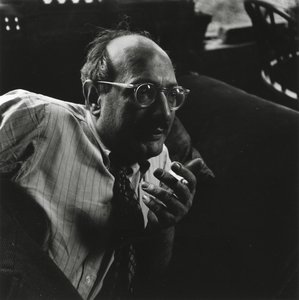
1903 - 1970 , Lotyšsko

Explore the profound emotional depth of Color Field painting. Discover the history of mid-century abstraction, from Rothko to Newman, and learn how pure color transforms the viewer's experience through our expert art history guide.

Explore the profound emotional depth of Color Field painting. Our expert guide delves into the post-war origins of Abstract Expressionism, analyzing masterpieces by Rothko and Newman. Discover museum-grade, hand-painted oil reproductions that bring art history to your walls.

Explore the profound history and emotional depth of Color Field painting. From Mark Rothko to Barnett Newman, discover how pure color redefined modern art through our expert-led guide for students and collectors alike.
Explore the profound emotional depth of Lyrical Abstraction. Discover how masters like Raymond Parker used color and form to bridge Impressionism and Abstract Expressionism. Learn about this pivotal movement through our expert-led art history guide.

Explore the profound history and emotional depth of Abstract Expressionism. From Jackson Pollock to Mark Rothko, master the nuances of the New York School through our expert art history guide. Discover museum-quality hand-painted reproductions for your collection.


Buďte na tahu s nejnovějšími novinkami ze světa umění, exkluzivními nabídkami a inspirativními nápady na dekoraci.
Sdělte nám více o svém projektu a naši odborníci na umění vám připraví 3 personalizované návrhy uměleckých děl.
Nechť pro vás vybereme 3 možnosti – zdarma!


 Náhled
 Sdílet
 Sdílet
 Podrobnosti o díle

 Stáhnout
 Podobné položky
 Rentgenové snímky
 Slideshow
 Zobrazit více







 Skleněná varianta je dostupná pouze u rozměrů menších než 110 cm