x

Ručně malovaná olejná barva na plátně ve vašem zvoleném rozměru i s rámem, vyrobená našimi umělci na zakázku. ( Koupit tisk Koupit obrázek)





























Vyberte si z našich přednastavených velikostí, které odpovídají původním proporcím díla.

Můžete zadat vlastní rozměry pro konkrétní rám nebo prostor. Pokud se vámi vybraná velikost neshoduje s proporcemi původního obrazu, dílo buď ořízneme, nebo jej doplníme ručně malovanými prvky. Před zahájením výroby vám bude zaslán digitální náhled ke schválení.
Upozorňujeme, že náhled na obrazovce neodpovídá skutečnému ořezu ani rozšíření. Pouze digitální náhled přesně zobrazí finální kompozici.
Ačkoliv je možné zvolit vlastní velikost, pro zachování původních proporcí doporučujeme vybrat rozměr z předdefinovaného seznamu.
Celosvětová doprava () za 3–4 týdny namísto standardních 5 týdnů. (20 srpen). Bez kompromisů v kvalitě.


Purple Brown
Rozměry reprodukce
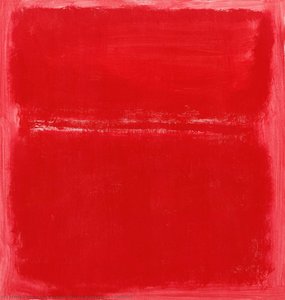
“Purple Brown,” created in 1957 by Mark Rothko, is more than just an abstract painting; it's a profound exploration of human emotion rendered through the deliberate layering of color. This piece exemplifies Rothko’s mastery of the Color Field style, a movement that sought to evoke spiritual and emotional responses directly from the viewer through vast expanses of pigment. The image itself – a close-up revealing a large square dominated by deep purple and warm brown squares – immediately draws the eye into its carefully constructed depths. The subtle variations within each shade of brown, meticulously applied, create a sense of movement and texture that invites prolonged contemplation.
Rothko’s technique was characterized by his use of thin washes of oil paint, often applied in rhythmic layers. This process, known as ‘allaghing,’ created a luminous quality, allowing the colors to bleed into one another and generate an almost ethereal effect. The division of the square into three sections, each with its own nuanced shade of brown, isn’t merely compositional; it suggests a fragmented state of being – mirroring perhaps Rothko's own experiences of displacement and loss. The deliberate lack of sharp edges or defined forms contributes to the painting’s meditative quality, encouraging viewers to lose themselves in the interplay of color and light.
‘Purple Brown’ was produced during a pivotal moment in Rothko's career and within the broader context of the Color Field movement. Emerging in the mid-1950s, this style rejected traditional representational painting, instead focusing on pure color as its primary subject matter. Influenced by Abstract Expressionism, artists like Rothko sought to tap into universal human emotions – anxiety, grief, spirituality – through monumental canvases. Rothko’s personal history—his Latvian heritage, his family's struggles with immigration and assimilation, the early loss of his father—fueled this exploration of existential themes, making ‘Purple Brown’ a deeply autobiographical work despite its abstract form.
The pairing of purple and brown is particularly significant. Purple has long been associated with royalty, spirituality, and mourning, while brown evokes earthiness, stability, and perhaps even decay. Together, they create a powerful tension – a visual representation of the struggle between hope and despair, life and death. ‘Purple Brown’ isn't intended to offer easy answers; instead, it invites viewers to confront their own anxieties and contemplate the complexities of human existence. The painting’s emotional impact is profound, resonating with a sense of quiet melancholy and a yearning for meaning.
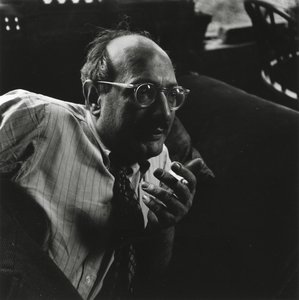
1903 - 1970 , Lotyšsko

Explore the profound emotional depth of Color Field painting. Discover the history of mid-century abstraction, from Rothko to Newman, and learn how pure color transforms the viewer's experience through our expert art history guide.

Explore the profound history and emotional depth of Color Field painting. From Mark Rothko to Barnett Newman, discover how pure color redefined modern art through our expert-led guide for students and collectors alike.

Explore the profound history and emotional depth of Abstract Expressionism. From Jackson Pollock to Mark Rothko, master the nuances of the New York School through our expert art history guide. Discover museum-quality hand-painted reproductions for your collection.
Explore the profound emotional depth of Lyrical Abstraction. Discover how masters like Raymond Parker used color and form to bridge Impressionism and Abstract Expressionism. Learn about this pivotal movement through our expert-led art history guide.


Buďte na tahu s nejnovějšími novinkami ze světa umění, exkluzivními nabídkami a inspirativními nápady na dekoraci.
Sdělte nám více o svém projektu a naši odborníci na umění vám připraví 3 personalizované návrhy uměleckých děl.
Nechť pro vás vybereme 3 možnosti – zdarma!


 Náhled
 Sdílet
 Sdílet
 Podrobnosti o díle

 Stáhnout
 Podobné položky
 Rentgenové snímky
 Slideshow

 Zobrazit více







 Skleněná varianta je dostupná pouze u rozměrů menších než 110 cm