


x

Koupě vysoce rozlišeného, vylepšeného digitálního obrazu, který je mnohem kvalitnější než online náhled.
Každý soubor je pečlivě připraven našimi odborníky pomocí pokročilých nástrojů a expertní manuální retuše. Zajišťujeme, aby každý obraz disponoval výjimečnou ostrostí, přesnou barevnou věrností a jemnými detaily.
Finální soubor vám bude do 72 hodin zaslán e-mailem, optimalizovaný pro okamžité použití v profesionálním, redakčním i tiskovém prostředí. Nabízíme stejnou kvalitu, které důvěřují špičková designová studia, nakladatelství i galerie.
Stáhněte si soubor ve vysokém rozlišení pro osobní prohlížení, tisk a kreativní projekty. ( Koupit tisk Koupit ručně malovaný obraz)
Když si vyberete Most-Famous-Paintings.com, nezískáváte pouze obrázek – získáváte digitální umělecké dílo s profesionálně vylepšenými detaily, zpracované s precizností a podpořené zárukou za spokojenost. Zde je vše, co vaše objednávka automaticky obsahuje:

Váš digitální obraz ve vysokém rozlišení vám bude zaslán e-mailem do 72 hodin od objednávky – připraven k okamžitému použití.

Vaše umělecké dílo je profesionálně optimalizováno pomocí pokročilých nástrojů umělé inteligence a manuální úpravy, což zajišťuje maximální úroveň detailu, ostrosti a přesnosti barev.

Soubor jste omylem smazali nebo ztratili? Žádný problém – kdykoliv vám ho znovu zašleme zcela zdarma.

Užijte si své umělecké dílo okamžitě bez celních poplatků, daní nebo nákladů na dopravu – digitální stažení je vždy bez daňových povinností.

Pomocí profesionálních nástrojů a správy barev zajišťujeme, aby váš digitální obraz odrážel původní barvy co nejvěrněji.

Pokud nebudete s digitální fotografií spokojeni, provedeme její revizi nebo vám vrátíme 100% během 60 dnů – bez jakýchkoliv dotazů.

Nespokojeni? Získejte plnou částku zpět do 60 dní od přijetí vašeho digitálního souboru – bez jakýchkoliv dotazů.

Koupěte si 3 obrazy, ušetřete 10% - Koupěte si 5, ušetřete 15% - Koupěte si 10+, ušetřete 20%. Ideální pro kreativní projekty, galerie a agentury.
Mark Rothko (1903 – 1970), born Markus Yakovlevich Rothkowitz in Dvinsk, Latvia, embodies the profound anxieties of a Jewish family grappling with displacement. His formative years were steeped in the uncertainties surrounding pogroms and political instability within the Pale of Settlement, fostering an acute awareness of human suffering—a preoccupation that would permeate his artistic output.
The 1913 emigration to Portland, Oregon, marked not merely a geographical relocation but a significant cultural transformation for Rothko. Amidst his father’s intellectual home brimming with spirited discussions and scholarly pursuits, the untimely death of Jacob Rothkowitz introduced an inescapable element of grief into young Markus's life—a formative experience that instilled a lifelong fascination with themes of loss and trauma.
Rothko’s artistic breakthrough arrived in New York City during the mid-1930s, where he embraced Color Field painting – a revolutionary approach championed by artists like Barnett Newman and Helen Frankenthaler. Unlike traditional representational art that meticulously depicts objects or figures, Color Field painting prioritizes expansive blocks of color as its primary expressive element.
Rothko’s canvases eschew detailed imagery altogether, opting instead for layered rectangles of pigment—typically shades of red, orange, yellow, and blue—that bleed into one another. This technique deliberately obscures boundaries between hues, creating an immersive experience for the viewer that transcends visual perception.
The creation of Rothko’s monumental paintings involved a painstaking process of layering thin sheets of canvas with diluted pigment—often applied by hand using brushes or rollers. This meticulous application resulted in subtle textural variations within each rectangle, adding depth and complexity to the overall composition.
Rothko meticulously controlled every aspect of his technique, striving for an almost meditative state as he worked. He believed that color itself possessed inherent emotional power—that it could communicate feelings directly without resorting to explicit symbolism or narrative.
Rothko’s work emerged during the postwar period, coinciding with a surge of existentialist thought – championed by philosophers like Jean-Paul Sartre and Albert Camus. These thinkers questioned traditional notions of morality and purpose, emphasizing individual responsibility and confronting the inevitability of death.
Rothko responded to these intellectual currents by exploring themes of spirituality and transcendence—attempting to capture the elusive essence of human experience beyond rational comprehension. His paintings evoke a sense of profound melancholy yet simultaneously convey an aspiration for beauty and illumination – mirroring the anxieties and hopes of a generation grappling with the aftermath of global conflict.
While Rothko deliberately avoided overt symbolism, his canvases nevertheless communicate powerful ideas about darkness and light. The dark rectangles represent not merely physical absence but also psychological emptiness—a confrontation with mortality and the unknown.
Conversely, the luminous rectangles embody spiritual presence – offering a glimpse of transcendence and hinting at the possibility of encountering something beyond oneself. Rothko’s masterful manipulation of color achieves this effect by creating an atmosphere of contemplative stillness that invites viewers to contemplate their own inner lives.
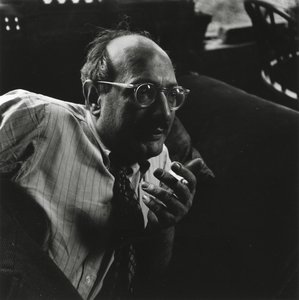
1903 - 1970 , Lotyšsko


Buďte na tahu s nejnovějšími novinkami ze světa umění, exkluzivními nabídkami a inspirativními nápady na dekoraci.
Sdělte nám více o svém projektu a naši odborníci na umění vám připraví 3 personalizované návrhy uměleckých děl.
Nechť pro vás vybereme 3 možnosti – zdarma!


 Náhled
 Sdílet
 Sdílet
 Podrobnosti o díle

 Stáhnout
 Podobné položky
 Rentgenové snímky
 Slideshow
 Zobrazit více


