x

 1427
1427 90.0 x 71.0 cm
 Christian Museum
Giclée nebo plátěný tisk muzeální kvality s rychlou výrobou a flexibilními možnostmi povrchové úpravy. ( Koupit ručně malovaný obraz Koupit obrázek)
Vyberte si z našich přednastavených velikostí, které odpovídají původním proporcím díla.

Můžete zadat vlastní rozměry tak, aby výtvor odpovídal konkrétnímu rámu nebo prostoru. Pokud zvolená velikost nebude odpovídat poměru stran původního obrazu, dílo buď ořížeme, nebo obraz rozšíříme pomocí zrcadlového efektu či jednobarevného okraje. Před zahájením výroby vám bude zaslán digitální náhled k schválení.
Mějte prosím na paměti, že náhled na obrazovce neodráží skutečné oříznutí nebo rozšíření. Pouze digitální náhled přesně zobrazí finální kompozici.
Ačkoliv jsou k dispozici i vlastní rozměry, pro zachování původních proporcí doporučujeme vybrat si rozměr z předdefinovaného seznamu.
Celosvětové doručení () do 2 týdnů namísto standardních 4/5 týdnů. (18 srpen)


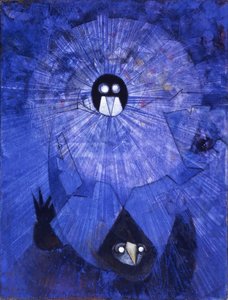
Ascension
Rozměry reprodukce

Master Thomas de Coloswar, a Hungarian painter whose name echoes through the annals of medieval art, remains an enigmatic figure despite the relatively scarce documentation surrounding his life and career. Primarily recognized for his devotional frescoes adorning churches across Hungary – notably ‘The Death of St Giles’ – his artistic legacy speaks volumes about the spiritual fervor and stylistic conventions prevalent during the fifteenth century.
Little is known definitively about Thomas's formative years. Records indicate he was born in Székelyföld (now Romania), a region steeped in Hungarian tradition and heavily influenced by Roman Catholicism. Precise details of his upbringing are elusive, fueling speculation that he received artistic training within the Benedictine monasteries scattered throughout Hungary – institutions renowned for their illuminated manuscripts and architectural grandeur.
His artistic output is characterized by a distinctive blend of Gothic and Early Renaissance styles. Influenced by Flemish masters like Rogier van der Weyden and Giovanni Battista Pontormo, Thomas skillfully employed meticulous detail and vibrant color palettes to convey profound religious emotion. His frescoes depict scenes from the Gospels with remarkable realism, capturing not merely physical likeness but also psychological nuance – a hallmark of humanist sensibilities gaining traction across Europe.
The Musée Thomas-Henry in Székelyföld houses an impressive collection of his paintings and frescoes, offering invaluable insight into his artistic practice. Particularly noteworthy is ‘Christ Carrying the Cross,’ a monumental depiction showcasing masterful composition and expressive brushwork. The painting’s subdued palette—dominated by earthy tones—contrasts sharply with the luminous hues characteristic of Flemish art, demonstrating Thomas's adaptability to diverse stylistic trends.
Despite the paucity of biographical information, Master Thomas de Coloswar’s contribution to Hungarian religious iconography is undeniable. His frescoes stand as testament to the enduring power of faith and artistic innovation during a period marked by significant cultural exchange between East and West. He remains an artist whose work continues to inspire admiration for its technical prowess and emotive depth—a beacon of medieval art history.

Hungary


Buďte na tahu s nejnovějšími novinkami ze světa umění, exkluzivními nabídkami a inspirativními nápady na dekoraci.
Sdělte nám více o svém projektu a naši odborníci na umění vám připraví 3 personalizované návrhy uměleckých děl.
Nechť pro vás vybereme 3 možnosti – zdarma!


 Náhled
 Sdílet
 Sdílet
 Podrobnosti o díle

 Stáhnout
 Podobné položky
 Rentgenové snímky
 Slideshow
 Zobrazit více




































 Skleněná varianta je dostupná pouze u rozměrů menších než 110 cm