


x

 Acrylic On CanvasWallArtLate Medieval German Art
 1501
1501 531.0 x 320.0 cm
 Staatliche Kunsthalle
Giclée nebo plátěný tisk muzeální kvality s rychlou výrobou a flexibilními možnostmi povrchové úpravy. ( Koupit ručně malovaný obraz Koupit obrázek)





























Vyberte si z našich přednastavených velikostí, které odpovídají původním proporcím díla.

Můžete zadat vlastní rozměry tak, aby výtvor odpovídal konkrétnímu rámu nebo prostoru. Pokud zvolená velikost nebude odpovídat poměru stran původního obrazu, dílo buď ořížeme, nebo obraz rozšíříme pomocí zrcadlového efektu či jednobarevného okraje. Před zahájením výroby vám bude zaslán digitální náhled k schválení.
Mějte prosím na paměti, že náhled na obrazovce neodráží skutečné oříznutí nebo rozšíření. Pouze digitální náhled přesně zobrazí finální kompozici.
Ačkoliv jsou k dispozici i vlastní rozměry, pro zachování původních proporcí doporučujeme vybrat si rozměr z předdefinovaného seznamu.
Celosvětové doručení () do 2 týdnů namísto standardních 4/5 týdnů. (22 srpen)


Crucifixion
Rozměry reprodukce
Matthias Grünewald’s 1512-1516 panel depicting the Crucifixion, part of the extraordinary Isenheim Altarpiece housed in the Musée d’Unterlinden in Colmar, France, isn’t merely a depiction of a historical event; it's an immersive plunge into profound human suffering and a testament to the enduring power of faith. Far removed from the idealized representations common in earlier Renaissance art, Grünewald presents a brutally honest portrayal of Christ’s agony – a deliberate rejection of classical beauty in favor of visceral realism and emotional intensity. This wasn’t intended for a polished sanctuary; it was conceived for patients within St. Anthony’s Hospital, a place dedicated to treating sufferers of ergotism, a debilitating skin disease characterized by hallucinations and intense physical pain. The artist understood that the visual experience could offer solace and a shared understanding of human vulnerability.

(Image: Matthias Grünewald, Self-Portrait)
Grünewald’s technique is immediately arresting. He employs a masterful manipulation of grayscale tones – deep blacks emphasizing the contours of Christ's ravaged body, stark whites highlighting the textures of wood and flesh, and subtle gradations creating an astonishing sense of depth. The musculature isn’t idealized; it’s contorted by the weight of the cross, revealing the brutal mechanics of his suffering. The wounds are rendered with a shocking realism, not as symbols of sacrifice but as tangible evidence of physical torment. Yet, amidst this darkness, Grünewald doesn't succumb to despair. The figures surrounding Christ – Mary Magdalene weeping, John the Baptist pointing towards him, and even the shadowy figure of St. Sebastian – are imbued with an almost palpable sense of grief and devotion. The artist’s use of perspective is deliberately skewed; the hands of Mary Magdalene, for instance, dwarf those of Christ, emphasizing her overwhelming sorrow. This deliberate distortion isn't a flaw but a strategic choice to amplify the emotional impact.
Beyond its immediate visual impact, the Crucifixion panel is rich in symbolic meaning. The placement of John the Baptist, a figure associated with repentance and baptism, suggests a call to conversion. The lamb, a recurring motif in Christian iconography, represents Christ as the sacrificial Lamb of God. The inscription “Illum oportet crescere, me autem minui” (“He must increase, but I must decrease”) – attributed to John the Baptist – encapsulates the core theological message: Christ’s suffering is not an end in itself but a pathway to salvation. The stark contrast between the vibrant colors of the surrounding figures and the muted tones of the central scene further emphasizes Christ's isolation and sacrifice. The altarpiece as a whole, with its multiple layers of imagery revealed through complex mechanisms, invites prolonged contemplation and offers a profound meditation on faith, suffering, and redemption.
Matthias Grünewald’s Crucifixion remains one of the most emotionally powerful works in Western art. Its unflinching portrayal of Christ's agony transcends mere historical representation, offering a timeless reflection on human vulnerability, faith, and the enduring hope found within suffering. Reproductions of this masterpiece continue to captivate viewers with their raw intensity and profound spiritual depth – a testament to Grünewald’s genius and his understanding of art as a vehicle for conveying complex theological truths.

Matthias Grünewald, narozený jako Mathis Gothart Neithardt kolem let 1470–1475 ve Würzburgu v Německu, představoval klíčovou postavu německé renesance. Přestože žil v době, která byla stále více ovlivňována ideály italské renesance, Grünewald zůstal hluboce zakořeněn v umělických tradicích pozdního středověku střední Evropy. Informace o jeho raném životě jsou vzácné, ale víme, že prošel výtvarným výcvikem, který pravděpodobně získal v místních dílnách.
Grünewaldův umělecký rozvoj byl formován tehdejšími severoevropskými tradicemi realismu, emocionální intenzity a detailního pozorování. V jeho díle lze patrně vidět vlivy umělců jako Albrecht Dürer či Martin Schongauer, avšak on sám si vybudoval zcela unikátní cestu, kterou charakterizuje dramatická výraznost a živá koloristika. Nebyl přímo spojen s humanistickými kruhy, které byly tehdy v Itálii tak významné; jeho umění však primárně sloužilo náboženským účelům a zrcadlilo duchovní úzkosti jeho doby.
Grünewaldův styl je specificky definován několika prvky:
Grünewaldovo dílo stojí jako svědectví o trvající síle středověkých uměleckých tradic v Německu během renesance. Dokázal překlenout propast mezi pozdně gotickým stylem a nastupující renesancí a vytvořil unikátní vizuální jazyk, který rezonoval s jeho dobovými lidmi. Jeho vliv je patrný u pozdějších německých umělců, kteří pokračovali v prozkoumávání témat náboženského žáru a emocionální intenzity. Ačkoliv byl po své smrti v roce 1528 po staletí zapomenut, v 19. století zažil renesanci a dnes je uznáván jako jeden z nejdůležitějších malířů německé renesance. Jeho umění i nadále fascinuje diváky svou syrovou emocí, technickou brilancí a hlubokým duchovním rozměrem.
Zjistěte více o životě a díle Matthiase Grünewalda na: Most-Famous-Paintings

1480 - 1528 , Německo

Explore the profound religious art of Matthias Grünewald, master of the Isenheim Altarpiece. Discover his unique expressionism, symbolism & lasting impact on Renaissance painting. A guide for collectors and enthusiasts.

Prozkoumejte 10 nejslavnějších obrazů s dominantní černou barvou od Van Gogha, Muncha a dalších mistrů. Objevte příběhy za uměleckými díly, techniky a inspiraci. Reprodukce obrazů nejvyšší kvality na Most-Famous-Paintings.com.

Explore the rich history of faith through art! Discover Renaissance masterpieces, iconic artists & religious symbolism with expert analysis from Most-Famous-Paintings. Perfect for collectors and enthusiasts.

Dive into the raw emotion and dramatic lighting of history's most iconic crucifixion paintings. From Baroque tenebrism to modern surrealism, explore masterpieces that define visual intensity. Expertly curated for lovers of profound art and high-impact design.
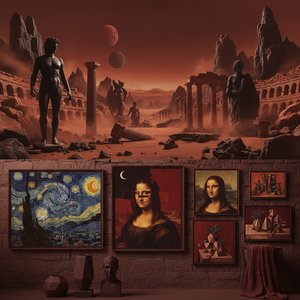
Prozkoumejte 10 nejslavnějších obrazů ovládaných odstíny černé. Objevte příběhy za uměleckými díly, techniky a inspiraci ikonických mistrů. Reprodukce obrazů s Most-Famous-Paintings – luxusní dekorace pro váš domov. Prohlédněte si celou kolekci online!


Buďte na tahu s nejnovějšími novinkami ze světa umění, exkluzivními nabídkami a inspirativními nápady na dekoraci.
Sdělte nám více o svém projektu a naši odborníci na umění vám připraví 3 personalizované návrhy uměleckých děl.
Nechť pro vás vybereme 3 možnosti – zdarma!


 Náhled
 Sdílet
 Sdílet
 Podrobnosti o díle

 Stáhnout
 Podobné položky
 Rentgenové snímky
 Slideshow
 Zobrazit více







 Skleněná varianta je dostupná pouze u rozměrů menších než 110 cm


