x

Ručně malovaná olejná barva na plátně ve vašem zvoleném rozměru i s rámem, vyrobená našimi umělci na zakázku. ( Koupit tisk Koupit obrázek)





























Vyberte si z našich přednastavených velikostí, které odpovídají původním proporcím díla.

Můžete zadat vlastní rozměry pro konkrétní rám nebo prostor. Pokud se vámi vybraná velikost neshoduje s proporcemi původního obrazu, dílo buď ořízneme, nebo jej doplníme ručně malovanými prvky. Před zahájením výroby vám bude zaslán digitální náhled ke schválení.
Upozorňujeme, že náhled na obrazovce neodpovídá skutečnému ořezu ani rozšíření. Pouze digitální náhled přesně zobrazí finální kompozici.
Ačkoliv je možné zvolit vlastní velikost, pro zachování původních proporcí doporučujeme vybrat rozměr z předdefinovaného seznamu.
Celosvětová doprava () za 3–4 týdny namísto standardních 5 týdnů. (17 srpen). Bez kompromisů v kvalitě.


mad boy
Rozměry reprodukce
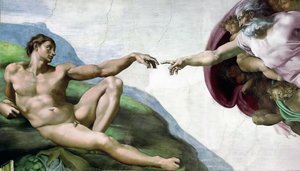
Michelangelo Buonarroti's "Mad Boy," a digital reproduction of his seminal fresco, "The Cumaean Sibyl," is more than just a beautiful image; it’s a window into the heart of the High Renaissance. Painted between 1506 and 1508 for the Villa Farnesina in Rome, this work embodies the era's profound fascination with classical antiquity, humanism, and the divine—all filtered through Michelangelo’s unparalleled artistic vision. The original fresco depicts the Sibyl, a legendary prophetess of ancient Greece, seated at a table, intently studying a scroll while a young boy gazes upon her with rapt attention. This seemingly simple composition is laden with symbolic weight, inviting viewers to contemplate themes of prophecy, knowledge, and the relationship between generations.
Technically, Michelangelo masterfully employed *sfumato*, a technique perfected during his apprenticeship under Leonardo da Vinci, to create an atmosphere of hazy beauty and depth. The figures are rendered with meticulous anatomical detail—a hallmark of Renaissance art—yet softened by subtle gradations of tone that lend them an almost ethereal quality. Note the careful modeling of the Sibyl’s drapery, which cascades around her in graceful folds, and the boy's youthful energy captured through dynamic posture and expressive eyes. The dark background serves to heighten the contrast between the figures and draw the viewer’s attention to their interaction, creating a powerful focal point within the composition.
The central figure, the Cumaean Sibyl, is not merely a portrait but a potent symbol. In Greek mythology, Sibylla was a priestess who possessed the gift of prophecy and delivered oracles to kings and heroes. Michelangelo’s depiction aligns with this traditional understanding, portraying her as an embodiment of divine inspiration—a conduit between the earthly realm and the realms of knowledge and foresight. Her contemplative gaze suggests a deep connection to something beyond the visible world, while her gesture of examining the scroll represents the pursuit of wisdom and understanding.
The young boy beside her is equally significant. He embodies innocence, curiosity, and the potential for future generations to inherit the wisdom of the past. His attentive posture reflects his eagerness to learn from the Sibyl’s experience, highlighting the cyclical nature of knowledge—the passing down of traditions and insights across time. The juxtaposition of these two figures creates a dynamic tension between the established wisdom of the elder and the burgeoning intellect of youth.
“The Cumaean Sibyl” emerged during a period of immense artistic and intellectual ferment in Renaissance Italy. Michelangelo, deeply influenced by the rediscovery of classical Greek and Roman art and philosophy, sought to synthesize these influences with his own unique vision. The fresco’s composition echoes elements found in ancient Roman wall paintings, particularly those depicting mythological scenes. However, Michelangelo elevates these motifs through a heightened sense of realism, psychological depth, and dramatic intensity.
Furthermore, the work reflects the humanist ideals that characterized the Renaissance—a renewed emphasis on human potential, reason, and individual achievement. The Sibyl’s intellectual pursuits align with the humanist belief in the importance of education and the pursuit of knowledge. The fresco served as a commission for a wealthy Roman banker, Francesco del Monte, who was himself an ardent patron of the arts and a scholar deeply interested in classical learning.
Despite its historical context, “Mad Boy” continues to resonate with viewers today. The image evokes a sense of quiet contemplation, inviting us to reflect on our own pursuit of knowledge and understanding. The Sibyl’s intense gaze captures the timeless quality of wisdom—a desire for insight that transcends generations. The boy's curiosity mirrors our own innate thirst for discovery, reminding us of the importance of nurturing young minds and fostering a love of learning.
As a digital reproduction, this artwork retains a subtle, almost dreamlike quality, reminiscent of the original fresco’s *sfumato* technique. It offers a compelling opportunity to experience Michelangelo's genius in a new light—a testament to his enduring legacy as one of history’s greatest artists.


1475 - 1564 , Itálie
Explore the profound history and technical mastery of fresco painting. From ancient Roman murals to Michelangelo's Sistine Chapel, discover the enduring chemistry and artistry behind this timeless wall painting technique used by the world's greatest masters.

Explore the profound genius of the Renaissance Trinity. Delve into a comparative study of Leonardo da Vinci, Michelangelo, and Raphael, uncovering their unique contributions to art history, technique, and the enduring legacy of Italian High Renaissance mastery.


Buďte na tahu s nejnovějšími novinkami ze světa umění, exkluzivními nabídkami a inspirativními nápady na dekoraci.
Sdělte nám více o svém projektu a naši odborníci na umění vám připraví 3 personalizované návrhy uměleckých děl.
Nechť pro vás vybereme 3 možnosti – zdarma!


 Náhled
 Sdílet
 Sdílet
 Podrobnosti o díle

 Stáhnout
 Podobné položky
 Rentgenové snímky
 Slideshow

 Zobrazit více







 Skleněná varianta je dostupná pouze u rozměrů menších než 110 cm