


x

Giclée nebo plátěný tisk muzeální kvality s rychlou výrobou a flexibilními možnostmi povrchové úpravy. ( Přepnout na ručně malovanou reprodukci Přepnout na obrázek)





























Vyberte si z našich přednastavených velikostí, které odpovídají původním proporcím díla.

Můžete zadat vlastní rozměry tak, aby výtvor odpovídal konkrétnímu rámu nebo prostoru. Pokud zvolená velikost nebude odpovídat poměru stran původního obrazu, dílo buď ořížeme, nebo obraz rozšíříme pomocí zrcadlového efektu či jednobarevného okraje. Před zahájením výroby vám bude zaslán digitální náhled k schválení.
Mějte prosím na paměti, že náhled na obrazovce neodráží skutečné oříznutí nebo rozšíření. Pouze digitální náhled přesně zobrazí finální kompozici.
Ačkoliv jsou k dispozici i vlastní rozměry, pro zachování původních proporcí doporučujeme vybrat si rozměr z předdefinovaného seznamu.
Celosvětové doručení () do 2 týdnů namísto standardních 4/5 týdnů. (11 srpen)


Armchair
Rozměry reprodukce
“Armchair,” created in 1904 by Nicholas Roerich, stands as an emblem of Art Nouveau’s fascination with organic forms interwoven with stylized geometric patterns. More than just a functional piece of furniture, it embodies Roerich's artistic vision—a harmonious blend of Eastern mysticism and Western aesthetic sensibilities.
The chair’s design isn’t merely decorative; it’s imbued with symbolic meaning rooted in Roerich’s spiritual beliefs. The repeating triangular and square shapes—characteristic of Art Nouveau—represent stability, harmony, and the fundamental building blocks of the universe. These geometric forms echo ancient cosmological concepts prevalent in Eastern traditions.
“Roerich believed that geometry held a key to unlocking hidden truths,” explains art historian Dr. Elena Petrovna Ivanova. “He saw these shapes as mirroring the patterns found within nature and reflecting the underlying order of existence.”“Armchair” emerged during a pivotal moment in intellectual history—the burgeoning influence of Theosophy, founded by Helena Blavatsky. This esoteric movement championed Eastern spirituality and sought to synthesize science and religion. Roerich was deeply committed to Theosophical principles, which informed his artistic endeavors and fueled his exploration of Himalayan landscapes.
“Armchair” transcends its utilitarian purpose to evoke a sense of contemplative serenity. The muted monochrome palette and subtle tonal gradations contribute to an atmosphere of understated elegance—a testament to Roerich’s ability to transform ordinary objects into vehicles for profound artistic expression.
Consider this: “Roerich aimed not merely to depict a chair but to convey the feeling of stillness, balance, and connection with something larger than oneself,” concludes Petrovna Ivanova. “It's an artwork that invites viewers to pause, reflect, and appreciate the beauty inherent in simplicity.”Nicholas Roerich’s “Armchair” stands as a singular achievement—a masterful synthesis of geometric abstraction and spiritual symbolism. Its enduring appeal lies in its ability to communicate universal themes of harmony, balance, and contemplation—qualities that continue to inspire artists and collectors alike.


1874 - 1947 , Rusko

Explore the captivating landscape paintings of Stephen Chaplin, renowned for his 'Treatment in Minors' series & unique blend of Pop Art and historical realism. Discover his artistic journey & emotional depth.
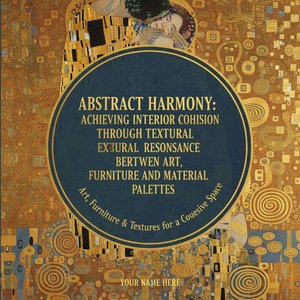
Objevte sílu abstraktního umění pro váš interiér! Průvodce výběrem děl, harmonickou kombinací textur a barev a budováním osobní galerie. Inspirace od odborníků.

Explore the enduring legacy of geometric abstraction! Discover key artists, historical movements & investment insights for discerning art collectors. Expert guidance from Most-Famous-Paintings.

Explore the captivating history of geometric abstraction in art, from ancient roots to contemporary masters. Expert insights for collectors & enthusiasts. Discover key artists, movements & investment potential.

Explore the captivating art of Nicholas Roerich – a visionary painter whose Himalayan landscapes blend spiritual mysticism with cultural preservation. Discover his legacy & symbolism.


Buďte na tahu s nejnovějšími novinkami ze světa umění, exkluzivními nabídkami a inspirativními nápady na dekoraci.
Sdělte nám více o svém projektu a naši odborníci na umění vám připraví 3 personalizované návrhy uměleckých děl.
Nechť pro vás vybereme 3 možnosti – zdarma!


 Náhled
 Sdílet
 Sdílet
 Podrobnosti o díle

 Stáhnout
 Podobné položky
 Rentgenové snímky
 Slideshow

 Zobrazit více







 Skleněná varianta je dostupná pouze u rozměrů menších než 110 cm


