x

Giclée nebo plátěný tisk muzeální kvality s rychlou výrobou a flexibilními možnostmi povrchové úpravy. ( Koupit ručně malovaný obraz Koupit obrázek)





























Vyberte si z našich přednastavených velikostí, které odpovídají původním proporcím díla.

Můžete zadat vlastní rozměry tak, aby výtvor odpovídal konkrétnímu rámu nebo prostoru. Pokud zvolená velikost nebude odpovídat poměru stran původního obrazu, dílo buď ořížeme, nebo obraz rozšíříme pomocí zrcadlového efektu či jednobarevného okraje. Před zahájením výroby vám bude zaslán digitální náhled k schválení.
Mějte prosím na paměti, že náhled na obrazovce neodráží skutečné oříznutí nebo rozšíření. Pouze digitální náhled přesně zobrazí finální kompozici.
Ačkoliv jsou k dispozici i vlastní rozměry, pro zachování původních proporcí doporučujeme vybrat si rozměr z předdefinovaného seznamu.
Celosvětové doručení () do 2 týdnů namísto standardních 4/5 týdnů. (19 srpen)


In the Woods
Rozměry reprodukce
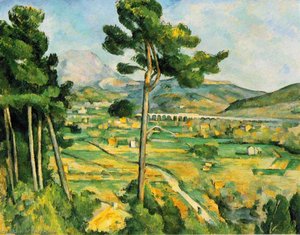
Paul Cézanne’s In the Woods stands as a cornerstone of Post-Impressionism, demonstrating Cézanne's profound ability to distill the essence of nature into a powerfully expressive watercolor.
Created in 1900, this artwork isn’t merely a depiction of trees; it’s an embodiment of Cézanne’s revolutionary artistic vision—a deliberate departure from Impressionistic optical realism and a fervent exploration of form and color as conduits for emotion. The painting captures the serene stillness of a woodland scene bathed in autumnal hues, featuring trees rendered with meticulous detail yet imbued with an underlying dynamism.
Cézanne’s approach to watercolor distinguishes him from his contemporaries. Rather than striving for photographic accuracy, he prioritized conveying feeling and perception—a core principle of Post-Impressionism. He sought to capture not just what the eye sees but how it *feels*. The artist's intention was to portray nature as an active force shaping itself through time.
Consider the composition: Cézanne eschews traditional perspective, flattening the space and presenting multiple viewpoints simultaneously. This technique—characteristic of Cézanne’s oeuvre—creates a sense of depth without relying on conventional linear recession. Instead, he uses overlapping planes of color to suggest volume and texture, inviting the viewer to engage in an imaginative process.
The watercolor medium itself contributes significantly to the painting's aesthetic impact. Cézanne skillfully manipulates pigment layering—applying thin washes of color over thicker glazes—to achieve remarkable luminosity and tonal variation. This technique allows for subtle gradations of hue and shade, capturing the dappled light filtering through the foliage.
Observe the meticulous rendering of individual trees. Cézanne employs a hexagonal brushstroke pattern—a technique he famously described as “drawing with color”—to build up form and texture. These hexagonal strokes are densely packed together, creating an impressionistic surface that vibrates with energy. The artist’s masterful control over pigment placement ensures that each tree possesses its own distinct character.
In the Woods reflects Cézanne’s broader engagement with Symbolism and his fascination with capturing psychological states alongside visual representations.
Cézanne's work aligns perfectly with the movement's core tenets—a rejection of academic conventions and a prioritization of subjective experience. Like many Symbolist painters, Cézanne sought to express inner emotions through imagery rooted in nature, mirroring the Romantic tradition’s preoccupation with sublime landscapes.
Today, In the Woods continues to resonate with audiences worldwide. Its understated beauty and masterful execution serve as an enduring testament to Cézanne’s artistic genius.
For those seeking inspiration or contemplating a decorative addition to their home—a high-quality reproduction of this iconic artwork—Most-Famous-Paintings offers exceptional prints that faithfully capture the painting's luminous palette and textural richness. Explore more masterpieces by Cézanne and similar artists at Paul Cézanne: In the Woods and John Singer Sargent: Study of a Fig Tree.
To delve deeper into the pigments utilized in art, visit The Art Media Pigment.


1839 - 1906 , Francie

Prozkoumejte 25 ikonických děl Paula Cézanna – průkopníka moderního umění a impresionismu. Obdivujte jeho still life, krajiny a portréty. Reprodukce obrazů v nejvyšší kvalitě na Most-Famous-Paintings.com. Inspirace pro váš interiér!

Objevte 10 legendárních akvarelů od Turner, Monet a dalších mistrů! Ponořte se do historie umění a inspirujte se pro váš interiér. Kvalitní reprodukce na Most-Famous-Paintings.com.

Objevte 25 ikonických děl Paula Kleeho – od abstraktních kompozic po barevné sny. Ponořte se do světa expresionismu, Bauhausu a jedinečného uměleckého stylu. Reprodukce obrazů nejvyšší kvality pro váš interiér na Most-Famous-Paintings.com

Explore the captivating world of watercolor painting! Discover its rich history, essential techniques, influential artists & collecting tips. A comprehensive guide for art enthusiasts from Most-Famous-Paintings.

Prozkoumejte 10 ikonických impresionistických krajin od Monet, Renoir a dalších. Objevte příběhy umělců, techniky a barvy, které definovaly toto revoluční hnutí. Najděte dokonalý obraz pro váš interiér na Most-Famous-Paintings.cz


Buďte na tahu s nejnovějšími novinkami ze světa umění, exkluzivními nabídkami a inspirativními nápady na dekoraci.
Sdělte nám více o svém projektu a naši odborníci na umění vám připraví 3 personalizované návrhy uměleckých děl.
Nechť pro vás vybereme 3 možnosti – zdarma!


 Náhled
 Sdílet
 Sdílet
 Podrobnosti o díle

 Stáhnout
 Podobné položky
 Rentgenové snímky
 Slideshow

 Zobrazit více







 Skleněná varianta je dostupná pouze u rozměrů menších než 110 cm