x

Ručně malovaná olejná barva na plátně ve vašem zvoleném rozměru i s rámem, vyrobená našimi umělci na zakázku. ( Koupit tisk Koupit obrázek)





























Vyberte si z našich přednastavených velikostí, které odpovídají původním proporcím díla.

Můžete zadat vlastní rozměry pro konkrétní rám nebo prostor. Pokud se vámi vybraná velikost neshoduje s proporcemi původního obrazu, dílo buď ořízneme, nebo jej doplníme ručně malovanými prvky. Před zahájením výroby vám bude zaslán digitální náhled ke schválení.
Upozorňujeme, že náhled na obrazovce neodpovídá skutečnému ořezu ani rozšíření. Pouze digitální náhled přesně zobrazí finální kompozici.
Ačkoliv je možné zvolit vlastní velikost, pro zachování původních proporcí doporučujeme vybrat rozměr z předdefinovaného seznamu.
Celosvětová doprava () za 3–4 týdny namísto standardních 5 týdnů. (17 srpen). Bez kompromisů v kvalitě.


Landscape 1
Rozměry reprodukce
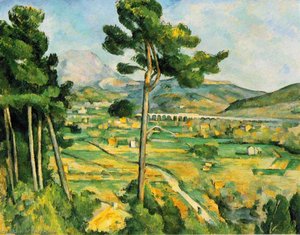
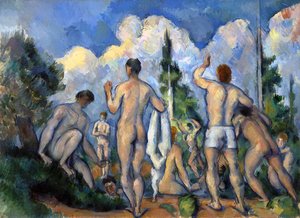
Paul Cézanne’s “Landscape 1,” though its precise dimensions remain elusive, offers a profound glimpse into the artist’s revolutionary approach to painting. More than simply a depiction of a field and trees, it’s an exploration of form, light, and the very nature of perception – a pivotal work that laid the groundwork for much of 20th-century art. The scene unfolds with a quiet intensity; a gentle slope leads the eye towards a cluster of mature trees, their branches reaching skyward like grasping fingers. A weathered wooden bench sits nestled amongst the grass, inviting contemplation and suggesting a human presence within this vast, natural space. The inclusion of two figures – one on the left, another to the right – subtly anchors the scene, imbuing it with a sense of scale and inviting us to consider our own place within the landscape.
Cézanne’s genius lay not in replicating reality but in distilling its essence. He abandoned the traditional techniques of linear perspective and atmospheric modeling, favoring instead a fragmented approach that emphasized geometric forms and the underlying structure of objects. Notice how he breaks down the trees into interlocking planes of color and shape – rectangular blocks of green and brown intermingled with patches of blue sky. This deliberate simplification wasn’t an act of carelessness; it was a conscious effort to reveal the essential building blocks of nature, as if he were constructing a visual puzzle from its constituent parts. The brushstrokes themselves are visible, not blended or smoothed out, but rather applied in short, broken strokes that create a sense of movement and vibration.
Born in Aix-en-Provence in 1839, Paul Cézanne was a key figure bridging the gap between Impressionism and Cubism. Initially influenced by the academic traditions of his upbringing – his father was a banker – he ultimately rejected these constraints to pursue his own artistic vision. He spent much of his life studying Mount Saint-Victoire, a towering peak near Aix, transforming it into a recurring motif in his work. This obsessive study wasn’t merely about capturing its appearance; it was an attempt to understand its fundamental geometry and the way light interacted with its surfaces. Cézanne's exploration of this mountain became a metaphor for his broader artistic quest – to find new ways of representing three-dimensional space on a two-dimensional surface.
Cézanne’s work was initially met with skepticism and even ridicule by the Parisian art establishment, who found his fragmented forms and unconventional techniques jarring. However, his influence gradually grew as artists like Matisse and Picasso recognized the radical nature of his ideas. Picasso famously declared that Cézanne “destroyed perspective,” acknowledging the profound impact of Cézanne’s work on the development of Cubism. Cézanne's insistence on seeing objects in their essential forms – divorced from superficial details – paved the way for a new era of artistic abstraction.
Beyond its formal innovations, “Landscape 1” resonates with deeper symbolic meanings. The bench itself represents a moment of pause, an invitation to reflect on our relationship with nature. The two figures in the painting suggest a connection between humanity and the natural world – a recognition that we are both part of and separate from this landscape. Cézanne’s use of color is equally significant; the warm greens and browns evoke feelings of tranquility and stability, while the touches of blue sky hint at an infinite expanse beyond our immediate perception. The painting isn't simply about depicting a scene; it’s about conveying a sense of profound contemplation and spiritual awareness.
Most-Famous-Paintings offers meticulously crafted, hand-painted reproductions of Paul Cézanne’s “Landscape 1,” capturing the artist's unique style and emotional depth. Each reproduction is created by skilled artisans who painstakingly recreate Cézanne’s broken brushstrokes and vibrant color palette using traditional oil painting techniques. Whether you are an art enthusiast, a collector seeking to expand your collection, or simply someone looking for a stunning piece of artwork to enhance your interior space, a Most-Famous-Paintings reproduction of “Landscape 1” is a timeless investment that will bring beauty and inspiration into your home for years to come. Explore the full range of available sizes and finishes on our website today – https://www.Most-Famous-Paintings.com/en/art/paul-cezanne-landscape-1-8EWNXK-en/


1839 - 1906 , Francie

Explore the profound evolution of Post-Impressionist landscapes. From Van Gogh's emotional brushwork to Cézanne's structural mastery, discover how these visionaries redefined art history through color and form in this expert guide for fine art enthusiasts.


Buďte na tahu s nejnovějšími novinkami ze světa umění, exkluzivními nabídkami a inspirativními nápady na dekoraci.
Sdělte nám více o svém projektu a naši odborníci na umění vám připraví 3 personalizované návrhy uměleckých děl.
Nechť pro vás vybereme 3 možnosti – zdarma!


 Náhled
 Sdílet
 Sdílet
 Podrobnosti o díle

 Stáhnout
 Podobné položky
 Rentgenové snímky
 Slideshow
 Zobrazit více







 Skleněná varianta je dostupná pouze u rozměrů menších než 110 cm