x

Ručně malovaná olejná barva na plátně ve vašem zvoleném rozměru i s rámem, vyrobená našimi umělci na zakázku. ( Koupit tisk Koupit obrázek)





























Vyberte si z našich přednastavených velikostí, které odpovídají původním proporcím díla.

Můžete zadat vlastní rozměry pro konkrétní rám nebo prostor. Pokud se vámi vybraná velikost neshoduje s proporcemi původního obrazu, dílo buď ořízneme, nebo jej doplníme ručně malovanými prvky. Před zahájením výroby vám bude zaslán digitální náhled ke schválení.
Upozorňujeme, že náhled na obrazovce neodpovídá skutečnému ořezu ani rozšíření. Pouze digitální náhled přesně zobrazí finální kompozici.
Ačkoliv je možné zvolit vlastní velikost, pro zachování původních proporcí doporučujeme vybrat rozměr z předdefinovaného seznamu.
Celosvětová doprava () za 3–4 týdny namísto standardních 5 týdnů. (16 srpen). Bez kompromisů v kvalitě.


Mounte Sainte Victoire
Rozměry reprodukce
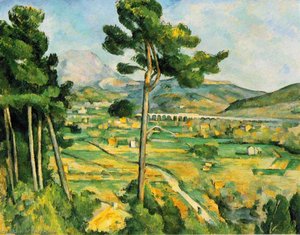
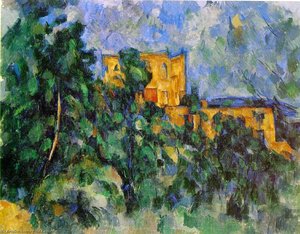
Paul Cézanne’s “Mont Sainte-Victoire” isn't merely a landscape painting; it’s an invitation into the artist’s mind, a meticulously constructed exploration of perception and form. Completed in 1902-04, this iconic work resides within The Barnes Foundation in Philadelphia, a testament to Cézanne’s profound connection with the Provençal mountain that dominated his artistic vision for decades. More than simply depicting a geographical feature, Cézanne sought to capture the *essence* of Mont Sainte-Victoire – its underlying structure, its relationship to space and light, and ultimately, its emotional resonance.
Cézanne’s approach shattered traditional landscape conventions. He rejected the academic pursuit of realistic representation, instead prioritizing a more subjective and geometric interpretation. The painting isn't a snapshot of a single moment in time; it’s a carefully orchestrated composition built from interlocking planes of color and subtly distorted forms. Notice how the mountain itself seems to emerge from the canvas, constructed with a series of parallel lines and overlapping shapes – a deliberate departure from the smooth, continuous contours favored by earlier generations of landscape painters. This fragmentation isn't haphazard; it’s a conscious effort to reveal the underlying structure of the scene, as if Cézanne were peeling back layers to expose its essential geometry.
"Mont Sainte-Victoire" firmly establishes Cézanne as a pivotal figure in the transition from Impressionism to Cubism. While influenced by the Impressionists’ focus on capturing fleeting moments of light and color, Cézanne moved beyond mere observation, delving into the formal elements of his subject. He employed techniques that would later be adopted by Picasso and Braque – breaking down objects into geometric shapes, flattening perspective, and presenting multiple viewpoints simultaneously. This wasn't a rejection of Impressionism entirely; rather, it was an evolution—a bold step toward a new way of seeing and representing the world.
The painting’s historical context is crucial to understanding its significance. Cézanne spent his later years in the hills overlooking Aix-en-Provence, returning repeatedly to Mont Sainte-Victoire as a source of inspiration. He painted it from numerous vantage points – near his brother's property, at the quarry, and on the slopes of Les Lauves – each iteration offering a slightly different perspective and contributing to a complex understanding of the mountain’s form. This sustained engagement with the subject resulted in a series of paintings that are both deeply personal and remarkably consistent in their underlying principles.
Beyond its formal innovations, “Mont Sainte-Victoire” is rich in symbolic meaning. The mountain itself has long been associated with spirituality and contemplation – it’s the subject of numerous legends and religious pilgrimages. Cézanne imbues the landscape with a sense of timelessness and serenity, inviting the viewer to lose themselves in its vastness. The muted palette—dominated by blues, greens, and browns—contributes to this atmosphere of quietude, while the carefully placed trees and houses suggest a connection between humanity and nature.
The painting’s unfinished quality – visible brushstrokes and areas where the canvas is exposed – adds another layer of complexity. It suggests that Cézanne was never entirely satisfied with his representation of Mont Sainte-Victoire, constantly striving to capture its elusive essence. This sense of perpetual exploration reflects the artist's own intellectual curiosity and his unwavering commitment to pushing the boundaries of artistic expression. It’s a painting that rewards repeated viewing, revealing new details and nuances with each encounter.
At Most-Famous-Paintings, we are dedicated to preserving the integrity and beauty of Paul Cézanne's “Mont Sainte-Victoire.” Our hand-painted reproductions capture not only the painting’s visual details but also its emotional depth and artistic spirit. Each reproduction is meticulously crafted by skilled artists using traditional oil painting techniques, ensuring a faithful recreation of Cézanne’s original vision. We offer this masterpiece in various sizes to suit your individual needs and preferences.
Explore the legacy of Paul Cézanne and own a piece of art history with Most-Famous-Paintings's stunning reproduction of “Mont Sainte-Victoire.” Learn more about Paul Cézanne or browse our collection: View the Original Artwork.


1839 - 1906 , Francie

Explore the transformative era of Post-Impressionism. Discover how masters like Van Gogh moved beyond light to embrace emotion, structure, and vibrant color, redefining modern art history through expressive brushwork and symbolic depth.


Buďte na tahu s nejnovějšími novinkami ze světa umění, exkluzivními nabídkami a inspirativními nápady na dekoraci.
Sdělte nám více o svém projektu a naši odborníci na umění vám připraví 3 personalizované návrhy uměleckých děl.
Nechť pro vás vybereme 3 možnosti – zdarma!


 Náhled
 Sdílet
 Sdílet
 Podrobnosti o díle

 Stáhnout
 Podobné položky
 Rentgenové snímky
 Slideshow

 Zobrazit více







 Skleněná varianta je dostupná pouze u rozměrů menších než 110 cm