x


 Objednat reprodukci Koupit digitální obrázek
 Sdílet
 Podrobnosti o díle
 Přidat do oblíbených
 Stáhnout
 Podobné položky
 Rentgenové snímky
 Slideshow
 Olej na plátněObrazová tvorba na stěnuPost-Impressionism
 187919. století
 20.0 x 26.0 cm
Giclée nebo plátěný tisk muzeální kvality s rychlou výrobou a flexibilními možnostmi povrchové úpravy.





























Vyberte si z našich přednastavených velikostí, které odpovídají původním proporcím díla.

Můžete zadat vlastní rozměry tak, aby výtvor odpovídal konkrétnímu rámu nebo prostoru. Pokud zvolená velikost nebude odpovídat poměru stran původního obrazu, dílo buď ořížeme, nebo obraz rozšíříme pomocí zrcadlového efektu či jednobarevného okraje. Před zahájením výroby vám bude zaslán digitální náhled k schválení.
Mějte prosím na paměti, že náhled na obrazovce neodráží skutečné oříznutí nebo rozšíření. Pouze digitální náhled přesně zobrazí finální kompozici.
Ačkoliv jsou k dispozici i vlastní rozměry, pro zachování původních proporcí doporučujeme vybrat si rozměr z předdefinovaného seznamu.
Celosvětové doručení () do 2 týdnů namísto standardních 4/5 týdnů. (21 červenec)


Three Pears
Rozměry reprodukce
Paul Cézanne, a French painter celebrated for his pivotal role bridging Impressionism and Cubism, produced numerous works that demonstrate his unique artistic vision. Among these is Three Pears (1879), a still life painting that exemplifies Cézanne's innovative approach to perspective and structure, transforming everyday objects into subjects of profound artistic significance.
Three Pears (1879) is an oil on canvas measuring 20 x 26 cm. The composition features three vibrant green pears suspended from two branches against a warm brown background. This seemingly simple arrangement showcases Cézanne's mastery in using color and form to create depth and visual interest. The pears are not rendered with photographic realism; instead, Cézanne emphasizes their geometric shapes and the interplay of light and shadow on their surfaces. The brown backdrop isn’t merely a setting but actively contributes to the painting’s overall harmony and spatial arrangement.
Cézanne's artistic style is characterized by his deliberate departure from traditional academic art. He prioritized the underlying forms of objects, often employing repetitive brushstrokes and planes of color to construct complex visual fields. This technique, which would later profoundly influence artists like Henri Matisse and Pablo Picasso, marked a significant shift in artistic representation. Rather than striving for an illusionistic depiction of reality, Cézanne sought to capture the essence of form through structured composition and careful observation. His work laid the groundwork for Cubism's exploration of multiple perspectives and fragmented forms.
Initially, Cézanne’s paintings were met with skepticism and even ridicule from contemporary critics who struggled to understand his unconventional approach. However, visionary artists like Camille Pissarro and influential art dealer Ambroise Vollard recognized the genius of his work early on. Vollard's 1895 solo exhibition in Paris proved instrumental in establishing Cézanne’s reputation. His influence extended beyond his lifetime, inspiring generations of artists to challenge conventional artistic norms and explore new avenues of expression. Works like Renoir's Still Life with Fuscias and Melon and Tomatoes demonstrate a similar focus on everyday subjects, reflecting the broader artistic trends of the time.
Three Pears is more than just a still life; it's an exploration of form, color, and perception. The painting evokes a sense of quiet contemplation and invites viewers to appreciate the beauty in simplicity. Cézanne’s masterful use of brushwork and composition creates a visually engaging experience that transcends its subject matter. For those interested in exploring more of Cézanne's work, Peaches, Pears and Grapes is another notable piece that showcases his skill in still life painting.


1839 - 1906 , Francie
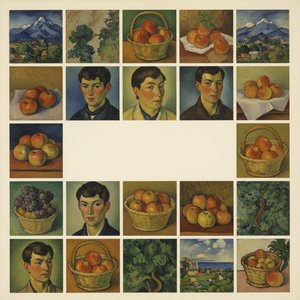
Prozkoumejte 25 ikonických děl Paula Cézanna – průkopníka moderního umění a impresionismu. Obdivujte jeho still life, krajiny a portréty. Reprodukce obrazů v nejvyšší kvalitě na Most-Famous-Paintings.com. Inspirace pro váš interiér!

Explore the rich history of still life painting with Most-Famous-Paintings. Discover Dutch Masters, decode vanitas symbolism & learn about collecting timeless art. Expert insights and museum-quality reproductions.

Explore the profound emotional depth & innovative techniques of Post-Impressionism with Most-Famous-Paintings. Discover Cézanne, Van Gogh, Gauguin & more – and their lasting impact on modern art.

Explore the rich history & symbolism of still life painting with Most-Famous-Paintings. Discover masterpieces from the Dutch Golden Age, learn about vanitas art, and find expert guidance for collecting timeless artworks.

Objevte krásu uměleckých reprodukcí zátiší od holandských mistrů! Inspirujte se pro luxusní interiéry a pozvedněte prestiž vaší vily. Kvalitní olejomalby, personalizace a odborné poradenství na Most-Famous-Paintings.com.


Buďte na tahu s nejnovějšími novinkami ze světa umění, exkluzivními nabídkami a inspirativními nápady na dekoraci.
Sdělte nám více o svém projektu a naši odborníci na umění vám připraví 3 personalizované návrhy uměleckých děl.
Nechť pro vás vybereme 3 možnosti – zdarma!


 Sdílet

 Zobrazit více







 Skleněná varianta je dostupná pouze u rozměrů menších než 110 cm