x

Ručně malovaná olejná barva na plátně ve vašem zvoleném rozměru i s rámem, vyrobená našimi umělci na zakázku. ( Koupit tisk Koupit obrázek)





























Vyberte si z našich přednastavených velikostí, které odpovídají původním proporcím díla.

Můžete zadat vlastní rozměry pro konkrétní rám nebo prostor. Pokud se vámi vybraná velikost neshoduje s proporcemi původního obrazu, dílo buď ořízneme, nebo jej doplníme ručně malovanými prvky. Před zahájením výroby vám bude zaslán digitální náhled ke schválení.
Upozorňujeme, že náhled na obrazovce neodpovídá skutečnému ořezu ani rozšíření. Pouze digitální náhled přesně zobrazí finální kompozici.
Ačkoliv je možné zvolit vlastní velikost, pro zachování původních proporcí doporučujeme vybrat rozměr z předdefinovaného seznamu.
Celosvětová doprava () za 3–4 týdny namísto standardních 5 týdnů. (21 srpen). Bez kompromisů v kvalitě.


untitled (4075)
Rozměry reprodukce
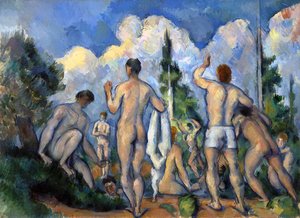
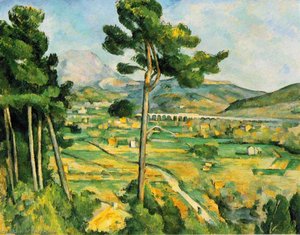
This captivating artwork, tentatively attributed to Paul Cézanne, offers a profound meditation on the relationship between humanity and nature – a theme central to his revolutionary approach to art. The scene unfolds with a deliberate looseness, characteristic of Post-Impressionism, depicting a group of nude figures immersed in a tranquil natural setting. It’s not a grand narrative or dramatic composition; rather, it's an intimate tableau brimming with quiet contemplation and a palpable sense of vulnerability. The artist masterfully captures the essence of leisure and repose, inviting the viewer to share in this moment of serene stillness.
Cézanne’s influence is immediately apparent through his distinctive technique. He employs a heavily impastoed style, building up thick layers of oil paint with visible brushstrokes that create a remarkably tactile surface. This isn't merely about applying color; it’s about constructing form – the figures emerge from the canvas as if sculpted by the very earth beneath them. The expressive use of line is paramount, rejecting traditional representational accuracy in favor of conveying volume and spatial relationships through dynamic, almost rhythmic marks. The flattened perspective, prioritizing emotional resonance over strict realism, further emphasizes this departure from academic conventions. Notice how variations in color and tonal value subtly suggest depth, creating a sense of space without resorting to linear recession – a key element in Cézanne’s groundbreaking approach.
The artwork's palette is dominated by a rich tapestry of earthy tones: ochres, browns, greens, and muted yellows. These colors evoke the landscape of Cézanne’s native Provence – a region renowned for its sun-drenched hillsides and olive groves. The warm hues contribute to an atmosphere of quiet melancholy, suggesting both beauty and a subtle sense of isolation. This careful selection of color isn't simply decorative; it’s deeply rooted in Cézanne’s desire to capture the essence of his surroundings – a profound connection with the natural world that would ultimately shape the course of modern art.
The depiction of nude figures within this setting carries significant symbolic weight. Nudity, throughout art history, has often represented freedom, vulnerability, and a return to primal origins. Here, it reinforces the theme of harmony between humanity and nature, suggesting a desire for connection with something fundamental and untainted. The diffused lighting, reminiscent of dappled sunlight filtering through trees, adds to the artwork’s ethereal quality, enhancing its emotional impact. Ultimately, "Untitled (4075)" is more than just a beautiful image; it's an invitation to contemplate profound questions about our place in the world and the enduring power of nature.


1839 - 1906 , Francie

Explore the profound revolution of Post-Impressionism. Delve into the history, techniques, and emotional depth of masters like Van Gogh and Seurat. Discover how to transform your space with museum-quality, hand-painted oil reproductions of these iconic masterpieces.

Delve into the transformative era of Post-Impressionism. From Seurat’s Pointillism to Cézanne’s structure, explore the history behind the masters. Most-Famous-Paintings.com provides museum-grade, hand-painted oil reproductions for the discerning art enthusiast and collector.

Explore the profound evolution of Post-Impressionist landscapes. From Van Gogh's emotional brushwork to Cézanne's structural mastery, discover how these visionaries redefined art history through color and form in this expert guide for fine art enthusiasts.

Delve into the evocative history of sepia-toned masterpieces. Our expert guide explores the emotional depth of earth-toned art, from the Renaissance to Tonalism. Discover museum-quality, hand-painted oil reproductions designed for the discerning art enthusiast.


Buďte na tahu s nejnovějšími novinkami ze světa umění, exkluzivními nabídkami a inspirativními nápady na dekoraci.
Sdělte nám více o svém projektu a naši odborníci na umění vám připraví 3 personalizované návrhy uměleckých děl.
Nechť pro vás vybereme 3 možnosti – zdarma!


 Náhled
 Sdílet
 Sdílet
 Podrobnosti o díle

 Stáhnout
 Podobné položky
 Rentgenové snímky
 Slideshow

 Zobrazit více







 Skleněná varianta je dostupná pouze u rozměrů menších než 110 cm