x

Ručně malovaná olejná barva na plátně ve vašem zvoleném rozměru i s rámem, vyrobená našimi umělci na zakázku. ( Koupit tisk Koupit obrázek)





























Vyberte si z našich přednastavených velikostí, které odpovídají původním proporcím díla.

Můžete zadat vlastní rozměry pro konkrétní rám nebo prostor. Pokud se vámi vybraná velikost neshoduje s proporcemi původního obrazu, dílo buď ořízneme, nebo jej doplníme ručně malovanými prvky. Před zahájením výroby vám bude zaslán digitální náhled ke schválení.
Upozorňujeme, že náhled na obrazovce neodpovídá skutečnému ořezu ani rozšíření. Pouze digitální náhled přesně zobrazí finální kompozici.
Ačkoliv je možné zvolit vlastní velikost, pro zachování původních proporcí doporučujeme vybrat rozměr z předdefinovaného seznamu.
Celosvětová doprava () za 3–4 týdny namísto standardních 5 týdnů. (18 srpen). Bez kompromisů v kvalitě.


Cobweb
Rozměry reprodukce
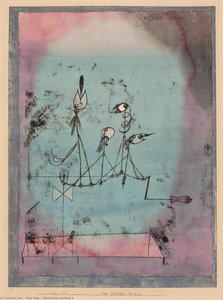
Paul Klee's "Cobweb," painted in 1927/28, isn’t merely a depiction of an arachnid’s intricate creation; it’s a profound exploration of anxiety, isolation, and the unsettling geometry that underlies our perception of reality. This black and white work, existing now as a captivating hand-painted reproduction available through Most-Famous-Paintings, embodies Klee's signature blend of Expressionism, Cubism, and Surrealism – a visual language he meticulously crafted throughout his prolific career. The painting’s power lies not in its representational accuracy but in the evocative atmosphere it generates, drawing the viewer into a world both familiar and profoundly disquieting.
The composition is dominated by an overwhelmingly dense spiderweb, rendered with meticulous detail that simultaneously fascinates and unnerves. It isn't a naturalistic depiction; rather, Klee exaggerates the web’s complexity, transforming it into a labyrinthine structure that seems to consume the entire canvas. Scattered across this intricate network are small circles – enigmatic points of light or perhaps echoes of lost forms. These elements aren’t merely decorative; they contribute significantly to the painting's sense of unease and disorientation. The deliberate lack of a clear focal point forces the eye to wander, mirroring the feeling of being trapped within an endless, confusing pattern.
Klee’s artistic philosophy was deeply intertwined with music theory. He believed that painting should be akin to musical arrangement—a carefully constructed balance of form, color, and rhythm. This concept is powerfully evident in “Cobweb.” The stark contrast between black and white amplifies the geometric qualities of the web, emphasizing its angular lines and creating a sense of sharp, almost brittle structure. The circles, similarly, introduce an element of unpredictability and disruption to the rigid geometry, hinting at underlying chaos. This approach aligns with Klee’s broader exploration of “the poetics of form and color,” as explored in numerous articles available through Most-Famous-Paintings – a pursuit that sought to capture not just visual appearances but also the emotional resonance of art.
Interestingly, Klee's work during this period reflects a growing preoccupation with themes of confinement and psychological distress. The spiderweb itself can be interpreted as a symbol of entrapment—a metaphor for the anxieties and limitations that plague the human condition. The two small figures within the composition – positioned in the upper left and center-right – add another layer of complexity, suggesting a narrative of isolation and perhaps even a confrontation with an unseen force. These figures are deliberately ambiguous, inviting speculation about their identities and roles within the painting’s unsettling drama.
To fully appreciate "Cobweb," it’s crucial to consider Paul Klee’s broader artistic trajectory. Born in Munichbuchsee, Switzerland, in 1879, Klee spent much of his career experimenting with various styles and techniques. His early work was influenced by Impressionism and Symbolism, but he gradually developed a highly individualistic approach characterized by playful abstraction and emotionally charged imagery. The Zentrum Paul Klee museum in Bern houses the largest collection of his works, offering invaluable insight into the evolution of his artistic vision. His exploration of color theory, Bauhaus influence, and his uniquely perceptive art are all documented extensively through Most-Famous-Paintings’s resources.
Furthermore, examining “Cobweb” alongside other pieces from Klee's oeuvre reveals a consistent thread of thematic concern—a fascination with the interplay between order and chaos, security and vulnerability. The painting’s enduring power lies in its ability to tap into universal anxieties about isolation, confinement, and the unsettling nature of reality itself. A hand-painted reproduction allows for an intimate connection with this complex and deeply evocative work, capturing the subtle nuances of Klee's masterful technique and ensuring that his profound artistic vision continues to resonate with audiences today.

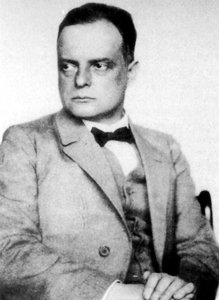
1879 - 1940 , Švýcarsko
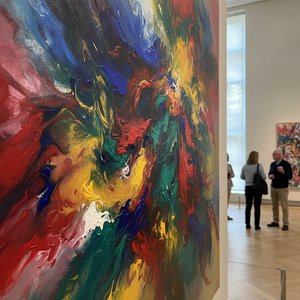
Explore the profound emotional depth of Lyrical Abstraction. Discover how masters like Raymond Parker used color and form to bridge Impressionism and Abstract Expressionism. Learn about this pivotal movement through our expert-led art history guide.

Explore the profound emotional depth of Color Field painting. Discover the history of mid-century abstraction, from Rothko to Newman, and learn how pure color transforms the viewer's experience through our expert art history guide.

Explore the transformative history of abstract art, from the mathematical purity of Geometric Abstraction to the visceral energy of Abstract Expressionism. Gain expert insights into the power of form and color through our definitive guide to modern masterpieces.


Buďte na tahu s nejnovějšími novinkami ze světa umění, exkluzivními nabídkami a inspirativními nápady na dekoraci.
Sdělte nám více o svém projektu a naši odborníci na umění vám připraví 3 personalizované návrhy uměleckých děl.
Nechť pro vás vybereme 3 možnosti – zdarma!


 Náhled
 Sdílet
 Sdílet
 Podrobnosti o díle

 Stáhnout
 Podobné položky
 Rentgenové snímky
 Slideshow
 Zobrazit více







 Skleněná varianta je dostupná pouze u rozměrů menších než 110 cm