x

 Oil On CanvasWallArtExpressionism
 1924
1924 91.0 x 64.0 cm
Ručně malovaná olejná barva na plátně ve vašem zvoleném rozměru i s rámem, vyrobená našimi umělci na zakázku. ( Přepnout na tisk Přepnout na obrázek)





























Vyberte si z našich přednastavených velikostí, které odpovídají původním proporcím díla.

Můžete zadat vlastní rozměry pro konkrétní rám nebo prostor. Pokud se vámi vybraná velikost neshoduje s proporcemi původního obrazu, dílo buď ořízneme, nebo jej doplníme ručně malovanými prvky. Před zahájením výroby vám bude zaslán digitální náhled ke schválení.
Upozorňujeme, že náhled na obrazovce neodpovídá skutečnému ořezu ani rozšíření. Pouze digitální náhled přesně zobrazí finální kompozici.
Ačkoliv je možné zvolit vlastní velikost, pro zachování původních proporcí doporučujeme vybrat rozměr z předdefinovaného seznamu.
Celosvětová doprava () za 3–4 týdny namísto standardních 5 týdnů. (10 srpen). Bez kompromisů v kvalitě.


Snail
Rozměry reprodukce
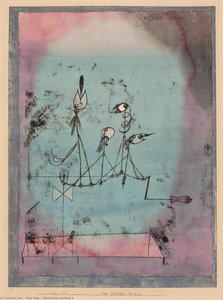
Paul Klee’s “Snail,” painted in 1924, isn’t merely a depiction of a humble garden creature; it’s an invitation into a world brimming with layered meaning and Klee’s signature playful abstraction. Measuring just 91 x 64 centimeters, this seemingly simple work belies the depth of its symbolism and the artist's deliberate engagement with color theory and form. It’s a piece that rewards repeated viewing, revealing new nuances within its vibrant composition – a testament to Klee’s ability to find profound beauty in the commonplace.
The painting immediately draws the eye to the large snail dominating the left side of the frame. Rendered with bold, simplified lines and a surprisingly bright palette—a deliberate departure from his often muted tones—the snail embodies a sense of deliberate, measured movement. Its head, smaller and more intricately detailed than its body, creates an intriguing visual tension, suggesting both vulnerability and focused attention. The background, a wash of verdant green, provides a striking contrast, while the two figures standing in the distance – their forms deliberately ambiguous – introduce an element of human interaction and perhaps even a subtle commentary on time and observation.
Klee's approach to color is central to understanding “Snail.” He wasn’t simply applying hues; he was using them as expressive tools, manipulating their relationships to evoke specific emotions and sensations. The vibrant green backdrop isn’t just a background; it pulsates with energy, while the snail itself utilizes a range of colors—reds, yellows, blues—to create a dynamic visual rhythm. This deliberate use of color aligns perfectly with Klee's broader exploration of color theory, documented in his extensive “Notes on Color,” where he meticulously analyzed how colors interact and influence perception.
Furthermore, the simplified forms – the bold lines defining the snail’s body, the almost childlike rendering of the figures in the distance – are characteristic of Klee's style. He deliberately eschewed realistic representation, opting instead to distill objects down to their essential elements, prioritizing feeling and suggestion over precise detail. This approach reflects his broader interest in exploring the relationship between art and music, believing that both disciplines could be understood as systems of organized form and color.
The snail itself is a potent symbol, often associated with slowness, patience, and introspection. In “Snail,” it can be interpreted as a meditation on the passage of time – a deliberate, measured journey through life. The two figures in the background, seemingly engaged in conversation or observation, add another layer to this interpretation. They represent humanity’s relationship to nature, perhaps suggesting our attempts to understand and control the natural world, or simply highlighting the contrast between human activity and the quiet rhythms of the garden.
“Snail” was created during a period of intense artistic experimentation for Klee, as he navigated influences from Expressionism, Cubism, and Surrealism. It’s part of the impressive collection at the Zentrum Paul Klee in Bern, Switzerland – a museum dedicated to preserving and celebrating his extraordinary body of work. Visiting this museum offers invaluable context, allowing viewers to appreciate the breadth and depth of Klee's artistic vision.
Most-Famous-Paintings is proud to offer meticulously hand-painted reproductions of Paul Klee’s “Snail,” capturing the essence of this iconic artwork with unparalleled detail and vibrancy. Each reproduction is created by skilled artists using traditional oil painting techniques, ensuring a faithful representation of Klee's original vision. Whether you’re an art enthusiast, a collector seeking to expand your collection, or simply looking for a captivating piece to enhance your interior décor, a Most-Famous-Paintings “Snail” reproduction offers a beautiful and accessible way to experience the magic of Paul Klee’s work.

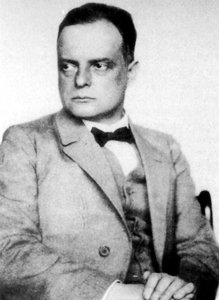
1879 - 1940 , Švýcarsko

Explore the revolutionary world of Cubism. Discover how Pablo Picasso and Georges Braque dismantled perspective to redefine modern art through geometric innovation and analytical mastery. An essential guide for art students, collectors, and history enthusiasts.

Explore the revolutionary world of Cubism. Discover how masters Pablo Picasso and Georges Braque dismantled reality through geometric abstraction to redefine modern art history.

Master the complexities of Cubism with our expert guide. Explore how Picasso and Braque revolutionized modern art through fragmentation, multiple perspectives, and geometric innovation. Perfect for art students and collectors seeking deep historical insight.


Buďte na tahu s nejnovějšími novinkami ze světa umění, exkluzivními nabídkami a inspirativními nápady na dekoraci.
Sdělte nám více o svém projektu a naši odborníci na umění vám připraví 3 personalizované návrhy uměleckých děl.
Nechť pro vás vybereme 3 možnosti – zdarma!


 Náhled
 Sdílet
 Sdílet
 Podrobnosti o díle

 Stáhnout
 Podobné položky
 Rentgenové snímky
 Slideshow
 Zobrazit více







 Skleněná varianta je dostupná pouze u rozměrů menších než 110 cm