


x


 Preview
 Koupit tisk Koupit digitální obrázek
 Sdílet
 Podrobnosti o díle
 Přidat do oblíbených
 Stáhnout
 Podobné položky
 Rentgenové snímky
 Slideshow
 Minimalism
 35.0 x 35.0 cm
 Nottingham Trent University
Ručně malovaná olejná barva na plátně ve vašem zvoleném rozměru i s rámem, vyrobená našimi umělci na zakázku.





























Vyberte si z našich přednastavených velikostí, které odpovídají původním proporcím díla.

Můžete zadat vlastní rozměry pro konkrétní rám nebo prostor. Pokud se vámi vybraná velikost neshoduje s proporcemi původního obrazu, dílo buď ořízneme, nebo jej doplníme ručně malovanými prvky. Před zahájením výroby vám bude zaslán digitální náhled ke schválení.
Upozorňujeme, že náhled na obrazovce neodpovídá skutečnému ořezu ani rozšíření. Pouze digitální náhled přesně zobrazí finální kompozici.
Ačkoliv je možné zvolit vlastní velikost, pro zachování původních proporcí doporučujeme vybrat rozměr z předdefinovaného seznamu.
Celosvětová doprava () za 3–4 týdny namísto standardních 5 týdnů. (27 červenec). Bez kompromisů v kvalitě.


Untitled (I)
Rozměry reprodukce

The work of Peter Dyer is a deeply unsettling exploration of the human condition, rendered in stark, often brutal detail. Emerging from the vibrant and challenging art scene of London, Dyer’s paintings aren't merely representations; they are visceral experiences, demanding engagement and provoking uncomfortable questions about identity, mortality, and the darker corners of the psyche. His distinctive style—characterized by bold color palettes, fragmented figures, and a palpable sense of unease—has solidified his position as a significant voice within contemporary abstract expressionism and a key figure in the burgeoning field of dark art.
Dyer’s artistic journey began with a fascination for the raw and emotive power of painting. Early influences included the gestural abstraction of artists like Francis Bacon and Jackson Pollock, alongside the unsettling psychological portraits of German Expressionists. However, Dyer quickly developed his own unique voice, moving beyond mere imitation to create a highly personal and intensely expressive style. He’s described as being drawn to subjects that explore the fragility of human existence, often depicting figures caught in moments of intense emotional turmoil or confronting their own mortality. This preoccupation with vulnerability and decay is further amplified by his deliberate use of unsettling imagery – distorted faces, fragmented bodies, and symbolic objects—that contribute to a pervasive atmosphere of anxiety and dread.
Dyer’s technique is as distinctive as his subject matter. He frequently employs thick impasto, building up layers of paint that create a tactile and almost sculptural quality to his canvases. The application of paint is often deliberately rough and uneven, mirroring the emotional intensity he seeks to convey. His color palette is equally arresting—a potent combination of vibrant reds, blues, and yellows juxtaposed with somber blacks and grays. These contrasting hues are not used harmoniously; instead, they create a visual tension that reflects the underlying themes of his work. The strategic use of negative space further enhances this sense of unease, isolating figures within their environments and emphasizing their vulnerability.
A key element of Dyer’s approach is his willingness to experiment with unconventional materials and techniques. He often incorporates elements such as collage, found objects, and even text into his paintings, adding layers of complexity and challenging traditional notions of artistic representation. This eclectic approach reflects a broader interest in exploring the boundaries between art and life, blurring the lines between reality and illusion.
Several recurring motifs appear throughout Dyer’s oeuvre, contributing to a recognizable visual language. The depiction of distorted faces—often rendered with an almost grotesque quality—is perhaps his most striking feature. These figures are rarely presented in a flattering light, instead embodying the anxieties and fears that plague the human psyche. Crucifixion imagery, frequently incorporated into his work, serves as a potent symbol of suffering and sacrifice, while fragmented bodies evoke themes of loss, decay, and the inevitability of death. The use of simple geometric shapes—squares, circles, and triangles—provides a structural framework for these unsettling compositions, adding another layer of complexity to their meaning.
Notable works include “Untitled (I),” a striking blue square within a red border on canvas, and “Untitled (XVI),” a captivating abstract expressionist painting with thick impasto and contrasting colors. These pieces exemplify Dyer’s ability to distill complex emotions into powerful visual forms. His work has been exhibited in galleries across the United Kingdom and internationally, garnering critical acclaim for its originality and emotional depth.
Peter Dyer's impact on contemporary art extends beyond his individual achievements. He’s considered a pivotal figure in the development of dark art—a genre characterized by its exploration of disturbing themes and unsettling imagery. His willingness to confront difficult subjects head-on has paved the way for other artists to engage with challenging material, fostering a more open and honest dialogue about the complexities of human experience. Dyer's work continues to resonate with audiences worldwide, offering a profound meditation on the darker aspects of our shared humanity.
Further information can be found at Wikipedia and his website: Peter Dyer Photographs

Průvodce investic do abstraktního umění. Objevte hodnotu reprodukcí, autenticitu provedení a kurátorský výběr pro váš interiér. Rady odborníků a inspirace pro budování sbírky s potenciálem zhodnocení.
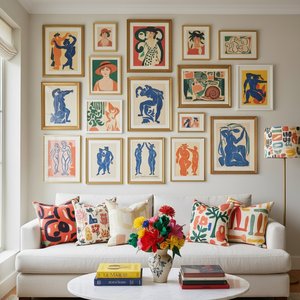
Prozkoumejte 25 ikonických děl Henri Matisse – mistra barev a fauvismu. Objevte příběhy za slavnými obrazy, techniky a inspiraci pro váš interiér. Reprodukce obrazů nejvyšší kvality na Most-Famous-Paintings.com.

Explore the rich symbolism of the red dress in art history! From ancient power displays to iconic portraits like Cézanne’s 'Madame Cezanne', discover the cultural and artistic significance behind this captivating color. Expert analysis & insights.

Discover the captivating oil paintings of Peter Graham Li – a contemporary artist celebrated for his masterful use of light, color, and impasto technique. Explore investment potential & curated selections at Most-Famous-Paintings.

Prozkoumejte 10 legendárních akrylových obrazů na plátně od Pollocka, Rothka a dalších. Objevte příběhy za uměleckými díly, které změnily svět moderního umění. Reprodukce obrazů nejvyšší kvality pro váš interiér – Most-Famous-Paintings.cz


Buďte na tahu s nejnovějšími novinkami ze světa umění, exkluzivními nabídkami a inspirativními nápady na dekoraci.
Sdělte nám více o svém projektu a naši odborníci na umění vám připraví 3 personalizované návrhy uměleckých děl.
Nechť pro vás vybereme 3 možnosti – zdarma!


 Sdílet

 Zobrazit více







 Skleněná varianta je dostupná pouze u rozměrů menších než 110 cm


