


x

Giclée nebo plátěný tisk muzeální kvality s rychlou výrobou a flexibilními možnostmi povrchové úpravy. ( Koupit ručně malovaný obraz Koupit obrázek)





























Vyberte si z našich přednastavených velikostí, které odpovídají původním proporcím díla.

Můžete zadat vlastní rozměry tak, aby výtvor odpovídal konkrétnímu rámu nebo prostoru. Pokud zvolená velikost nebude odpovídat poměru stran původního obrazu, dílo buď ořížeme, nebo obraz rozšíříme pomocí zrcadlového efektu či jednobarevného okraje. Před zahájením výroby vám bude zaslán digitální náhled k schválení.
Mějte prosím na paměti, že náhled na obrazovce neodráží skutečné oříznutí nebo rozšíření. Pouze digitální náhled přesně zobrazí finální kompozici.
Ačkoliv jsou k dispozici i vlastní rozměry, pro zachování původních proporcí doporučujeme vybrat si rozměr z předdefinovaného seznamu.
Celosvětové doručení () do 2 týdnů namísto standardních 4/5 týdnů. (23 srpen)


Dahlias
Rozměry reprodukce
Pierre-Auguste Renoir's "Dahlias," painted in 1890, is a captivating still life that exemplifies his mastery of Impressionist techniques. This artwork showcases a vibrant bouquet of dahlias arranged within an elegant vase, set against a softly blurred background. The painting’s charm lies not only in its depiction of natural beauty but also in Renoir's ability to capture the fleeting effects of light and color.
Renoir was a leading figure in the Impressionist movement, known for his focus on capturing momentary impressions rather than precise details. "Dahlias" perfectly embodies this style through its loose brushstrokes and vibrant use of color. The painting utilizes a palette dominated by warm tones – reds, oranges, yellows – which create a sense of warmth and vitality. Renoir’s technique involves layering paint in visible strokes, creating texture and depth. This impasto technique is particularly noticeable on the petals and leaves, adding to the artwork's visual richness. The soft background contributes to an atmospheric effect, drawing attention to the flowers themselves. The use of wash techniques, as discussed in art media resources, further enhances the sense of light and freshness within the composition.
Painted during a period when Renoir was exploring more formal compositions while still retaining his Impressionistic sensibilities, "Dahlias" reflects a shift towards greater clarity and structure. The late 1880s and early 1890s saw Renoir moving away from some of the more radical aspects of Impressionism, seeking a balance between capturing fleeting moments and creating enduring works of art. This period was marked by his increasing interest in classical forms and a desire to create paintings that were both visually appealing and emotionally resonant. The subject matter itself – still life – was gaining popularity among artists at the time as a way to explore color and composition without the complexities of portraiture or landscape painting.
To fully appreciate "Dahlias," it's helpful to compare it with other works by Renoir. His “Vase of Roses and Dahlias” (available at Most-Famous-Paintings.com) shares a similar theme but features a different floral arrangement, demonstrating his versatility in depicting botanical subjects. Another notable piece, “Still life with bouquet, Museum o” (also available at Most-Famous-Paintings.com), showcases Renoir’s ability to create compelling still-life compositions beyond just flowers. These comparisons highlight the consistent use of vibrant colors and loose brushwork that define Renoir's artistic style across various subjects.
While seemingly a simple depiction of flowers, "Dahlias" carries symbolic weight. Flowers often represent beauty, love, remembrance, and the ephemeral nature of life. The vibrant colors evoke feelings of joy and optimism, while the soft lighting creates a sense of tranquility. Renoir’s skillful rendering of the dahlias invites viewers to appreciate the simple pleasures in life and find beauty in everyday moments. The painting's overall effect is one of gentle warmth and visual delight, characteristic of Renoir’s artistic vision.

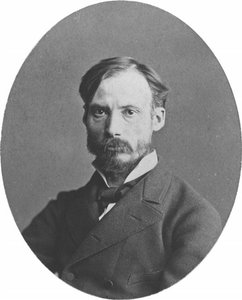
1841 - 1919 , Francie

Objevte top 25 děl Pierre-Auguste Renoira – impresionistické ikony plné světla a radosti. Prozkoumejte příběhy slavných obrazů, techniky malby a inspirujte se pro váš domov s Most-Famous-Paintings.cz! Reprodukce obrazů nejvyšší kvality.
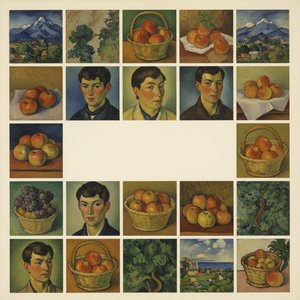
Prozkoumejte 25 ikonických děl Paula Cézanna – průkopníka moderního umění a impresionismu. Obdivujte jeho still life, krajiny a portréty. Reprodukce obrazů v nejvyšší kvalitě na Most-Famous-Paintings.com. Inspirace pro váš interiér!

Prozkoumejte 10 ikonických děl impresionismu od Monet, Renoir a dalších. Objevte příběhy za slavnými obrazy, techniky malby a inspiraci pro váš interiér. Reprodukce umění nejvyšší kvality na Most-Famous-Paintings.com.

Prozkoumejte 10 ikonických děl impresionismu od Monet, Renoir a Van Gogha. Objevte příběhy za slavnými obrazy, techniky a inspiraci pro váš interiér. Kvalitní reprodukce na Most-Famous-Paintings.com!

Prozkoumejte 10 ikonických děl impresionismu od Monet, Renoir a dalších. Objevte příběhy za obrazy plnými světla a barev. Reprodukce nejvyšší kvality pro váš interiér na Most-Famous-Paintings.com


Buďte na tahu s nejnovějšími novinkami ze světa umění, exkluzivními nabídkami a inspirativními nápady na dekoraci.
Sdělte nám více o svém projektu a naši odborníci na umění vám připraví 3 personalizované návrhy uměleckých děl.
Nechť pro vás vybereme 3 možnosti – zdarma!


 Náhled
 Sdílet
 Sdílet
 Podrobnosti o díle

 Stáhnout
 Podobné položky
 Rentgenové snímky
 Slideshow

 Zobrazit více







 Skleněná varianta je dostupná pouze u rozměrů menších než 110 cm


