x

Ručně malovaná olejná barva na plátně ve vašem zvoleném rozměru i s rámem, vyrobená našimi umělci na zakázku. ( Koupit tisk Koupit obrázek)





























Vyberte si z našich přednastavených velikostí, které odpovídají původním proporcím díla.

Můžete zadat vlastní rozměry pro konkrétní rám nebo prostor. Pokud se vámi vybraná velikost neshoduje s proporcemi původního obrazu, dílo buď ořízneme, nebo jej doplníme ručně malovanými prvky. Před zahájením výroby vám bude zaslán digitální náhled ke schválení.
Upozorňujeme, že náhled na obrazovce neodpovídá skutečnému ořezu ani rozšíření. Pouze digitální náhled přesně zobrazí finální kompozici.
Ačkoliv je možné zvolit vlastní velikost, pro zachování původních proporcí doporučujeme vybrat rozměr z předdefinovaného seznamu.
Celosvětová doprava () za 3–4 týdny namísto standardních 5 týdnů. (15 srpen). Bez kompromisů v kvalitě.


Jean Drawing
Rozměry reprodukce
In the vast, sun-drenched gallery of Impressionism, few works possess the quiet, breathing intimacy found in Pierre-Auguste Renoir’s 1901 masterpiece, Jean Drawing. This is not a grand historical tableau or a sweeping landscape; rather, it is a profound meditation on a single, fleeting moment of childhood concentration. The painting captures Jean, the artist's son, lost in the private world of his own creativity. As he sits at a table, his head resting gently upon his hand, we are invited to witness more than just a boy at work; we are invited into a sanctuary of domestic peace. Renoir, a master of capturing the ephemeral, uses this portrait to bridge the gap between the external world and the internal life of his subject, creating a scene that feels as much like a memory as it does a painting.
The composition is a masterclass in understated balance. The boy serves as the emotional anchor, surrounded by the humble geometry of everyday life—the sturdy presence of chairs and the tactile reality of a book upon the table. There is a rhythmic stability to the arrangement that grounds the viewer, yet Renoir prevents the scene from feeling static through his legendary use of light. Through a delicate application of chiaroscroll, the artist sculpts the young boy's features, allowing soft shadows to dance across his skin and highlight the subtle tension of his focused expression. The palette is a warm, harmonious blend of muted tones that evoke a sense of comfort and timelessness, making the work an ideal centerpiece for any space seeking to cultivate an atmosphere of serenity and intellectual depth.
To look closely at Jean Drawing is to witness the technical brilliance of Renoir’s mature period. Moving beyond the rapid, broken brushstrokes of his early years, this work demonstrates a refined ability to blend texture with light. The artist employs luminous, fluid strokes that seem to vibrate with life, particularly in the rendering of fabrics and the soft glow of the skin. This technique does more than just replicate reality; it imbues the subject with a certain radiance, a quality often described as "the Renoir glow." Every stroke serves the purpose of emphasizing the softness of youth and the gentle weight of the boy's contemplative posture.
For the discerning collector or interior designer, this painting offers a unique emotional versatility. It possesses the sophisticated aesthetic required for formal galleries, yet its subject matter—the universal experience of childhood wonder—allows it to integrate seamlessly into more personal, lived-in environments. Whether placed in a sunlit study to inspire focus or in a quiet corner of a living room to evoke nostalgia, Jean Drawing acts as a window into a more tranquil era. It is a piece that does not demand attention through volume, but rather earns it through its exquisite grace and the enduring beauty of its soul.
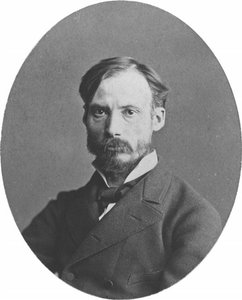
1841 - 1919 , Francie

Objevte top 25 děl Pierre-Auguste Renoira – impresionistické ikony plné světla a radosti. Prozkoumejte příběhy slavných obrazů, techniky malby a inspirujte se pro váš domov s Most-Famous-Paintings.cz! Reprodukce obrazů nejvyšší kvality.

Prozkoumejte 10 ikonických děl impresionismu od Monet, Renoir a dalších. Objevte příběhy za slavnými obrazy, techniky malby a inspiraci pro váš interiér. Reprodukce umění nejvyšší kvality na Most-Famous-Paintings.com.

Prozkoumejte 10 ikonických děl impresionismu od Monet, Renoir a Van Gogha. Objevte příběhy za slavnými obrazy, techniky a inspiraci pro váš interiér. Kvalitní reprodukce na Most-Famous-Paintings.com!
Prozkoumejte 10 ikonických děl impresionismu od Monet, Renoir, Degas a dalších. Objevte příběhy za obrazy plnými světla a barev. Najděte perfektní umělecké reprodukce pro váš interiér na .

Prozkoumejte 10 ikonických impresionistických krajin od Monet, Renoir a dalších. Objevte příběhy umělců, techniky a barvy, které definovaly toto revoluční hnutí. Najděte dokonalý obraz pro váš interiér na Most-Famous-Paintings.cz


Buďte na tahu s nejnovějšími novinkami ze světa umění, exkluzivními nabídkami a inspirativními nápady na dekoraci.
Sdělte nám více o svém projektu a naši odborníci na umění vám připraví 3 personalizované návrhy uměleckých děl.
Nechť pro vás vybereme 3 možnosti – zdarma!


 Náhled
 Sdílet
 Sdílet
 Podrobnosti o díle

 Stáhnout
 Podobné položky
 Rentgenové snímky
 Slideshow

 Zobrazit více







 Skleněná varianta je dostupná pouze u rozměrů menších než 110 cm