


x

Giclée nebo plátěný tisk muzeální kvality s rychlou výrobou a flexibilními možnostmi povrchové úpravy. ( Koupit ručně malovaný obraz Koupit obrázek)





























Vyberte si z našich přednastavených velikostí, které odpovídají původním proporcím díla.

Můžete zadat vlastní rozměry tak, aby výtvor odpovídal konkrétnímu rámu nebo prostoru. Pokud zvolená velikost nebude odpovídat poměru stran původního obrazu, dílo buď ořížeme, nebo obraz rozšíříme pomocí zrcadlového efektu či jednobarevného okraje. Před zahájením výroby vám bude zaslán digitální náhled k schválení.
Mějte prosím na paměti, že náhled na obrazovce neodráží skutečné oříznutí nebo rozšíření. Pouze digitální náhled přesně zobrazí finální kompozici.
Ačkoliv jsou k dispozici i vlastní rozměry, pro zachování původních proporcí doporučujeme vybrat si rozměr z předdefinovaného seznamu.
Celosvětové doručení () do 2 týdnů namísto standardních 4/5 týdnů. (21 srpen)


Quadro I
Rozměry reprodukce
Pieter Cornelis Mondriaan’s artistic odyssey began in Amersfoort, Netherlands, amidst the familiar landscapes of his youth – a stark contrast to the radical transformations that would define his legacy. Initially drawn to landscape painting influenced by the Hague School and Dutch Impressionism, notably *The Red Mill*, young Piet diligently honed his craft, mastering technique while simultaneously grappling with an unspoken desire for something more profound than mere visual imitation.
Early explorations encompassed Pointillism and Fauvism, each offering a distinct perspective on color and form. However, Mondrian swiftly recognized that these styles lacked the capacity to capture the core of his artistic aspirations – a yearning for simplification that transcended stylistic conventions. He wasn’t merely replicating nature; he sought to distill its fundamental principles into geometric abstraction.
This pivotal shift towards geometric abstraction marked a decisive break from traditional representation. Mondrian abandoned naturalistic depictions altogether, opting instead for a visual language comprised exclusively of straight lines and squares – a deliberate rejection of organic forms and a commitment to pure abstraction.
The resulting canvases—characterized by their monochrome palette and rigorously structured compositions—became emblems of modern art’s quest for universality. Mondrian believed that these geometric elements could express the underlying harmony of the cosmos, mirroring the mathematical order he perceived as inherent in nature itself. This conviction fueled his unwavering dedication to his artistic vision throughout his prolific career.
Despite his rejection of naturalism, Mondrian’s artistic development was undeniably shaped by Cubism, particularly Picasso's pioneering experiments with fractured perspectives. The influence of Cézanne’s emphasis on underlying geometric forms can also be discerned in Mondrian’s approach to depicting space.
However, Mondrian steadfastly maintained his commitment to pure abstraction, refining his technique and expanding his palette—introducing subtle variations in color—to heighten the expressive potential of his compositions. He meticulously considered every element within each painting, striving for a balance between visual clarity and emotional resonance.
Beyond its formal rigor, Mondrian’s art carries profound symbolic significance. The black lines represent stability and horizontality—reflecting the grounding forces of earth—while the white squares symbolize purity and verticality—representing the aspiration towards heaven. Together, these elements convey a sense of spiritual contemplation and affirm Mondrian's belief in the transformative power of geometric abstraction.
Today, Mondrian’s paintings continue to inspire artists and designers alike, captivating viewers with their timeless elegance and conveying an enduring message of harmony and balance. Reproductions of his iconic canvases offer a window into the intellectual and aesthetic convictions that underpinned one of modern art's most influential figures—a testament to the enduring beauty and profound contemplation inherent in pure geometric abstraction.

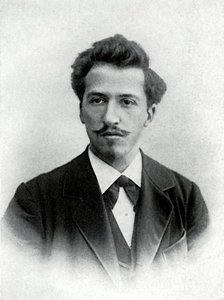
1872 - 1944 , Nizozemsko

Explore the profound impact of Minimalism and Geometric Abstraction. From Mondrian to Malevich, discover how stripping art to its essential forms revolutionized modern aesthetics through our expert-led historical guide.

Discover the profound intersection of geometry and emotion in Cubist Expressionism. Explore art history through our expert analysis of modern masters and find museum-quality, hand-painted oil reproductions of iconic masterpieces for your collection.

Master the complexities of Geometric Abstraction. Our expert guide explores the evolution from Cubist deconstruction to Bauhaus precision, decoding the power of shape and form. Perfect for art students seeking deep historical context and academic insight into modern masterpieces.

Explore the revolutionary world of Cubism. Discover how masters Pablo Picasso and Georges Braque dismantled reality through geometric abstraction to redefine modern art history.


Buďte na tahu s nejnovějšími novinkami ze světa umění, exkluzivními nabídkami a inspirativními nápady na dekoraci.
Sdělte nám více o svém projektu a naši odborníci na umění vám připraví 3 personalizované návrhy uměleckých děl.
Nechť pro vás vybereme 3 možnosti – zdarma!


 Náhled
 Sdílet
 Sdílet
 Podrobnosti o díle

 Stáhnout
 Podobné položky
 Rentgenové snímky
 Slideshow
 Zobrazit více







 Skleněná varianta je dostupná pouze u rozměrů menších než 110 cm


