x

 Oil On PanelEarly Netherlandish Renaissance
 1445Renaissance
 91.0 x 89.0 cm
 Staatliche Museen zu Berlin
Ručně malovaná olejná barva na plátně ve vašem zvoleném rozměru i s rámem, vyrobená našimi umělci na zakázku. ( Koupit tisk Koupit obrázek)





























Vyberte si z našich přednastavených velikostí, které odpovídají původním proporcím díla.

Můžete zadat vlastní rozměry pro konkrétní rám nebo prostor. Pokud se vámi vybraná velikost neshoduje s proporcemi původního obrazu, dílo buď ořízneme, nebo jej doplníme ručně malovanými prvky. Před zahájením výroby vám bude zaslán digitální náhled ke schválení.
Upozorňujeme, že náhled na obrazovce neodpovídá skutečnému ořezu ani rozšíření. Pouze digitální náhled přesně zobrazí finální kompozici.
Ačkoliv je možné zvolit vlastní velikost, pro zachování původních proporcí doporučujeme vybrat rozměr z předdefinovaného seznamu.
Celosvětová doprava () za 3–4 týdny namísto standardních 5 týdnů. (15 srpen). Bez kompromisů v kvalitě.


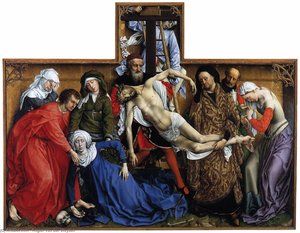
Bladelin Triptych
Rozměry reprodukce
The Bladelin Triptych, formally known as the Middelburg Altarpiece, stands as a testament to Rogier van der Weyden's unparalleled skill in capturing human emotion and conveying profound theological ideas. Completed around 1450, this monumental painting transcends mere visual representation; it’s an immersive experience into the spiritual landscape of its time—a period marked by burgeoning humanist thought alongside unwavering faith.
At first glance, the triptych presents a seemingly simple scene – the birth of Jesus – yet Van der Weyden’s genius lies in layering narratives and symbolism within its framework. The central panel depicts Mary and Joseph kneeling before a crumbling Romanesque chapel, representing the transition from pagan antiquity to Christian dogma. Tiny figures depict angels announcing the divine miracle, while on the right, a cityscape subtly underscores the universality of Christ's reign. Each element contributes to a larger story about redemption and hope.
What distinguishes this artwork is Van der Weyden’s masterful use of oil paint on oak panel—a technique that revolutionized painting at the time. Unlike tempera, which dries quickly and lacks vibrancy, oil allowed for gradual blending and layering, resulting in astonishingly rich colors and textures. The artist meticulously rendered every detail – from the folds of Mary's robe to the expressions etched upon Joseph’s face – achieving a level of realism previously unattainable. This dedication to meticulous observation is evident throughout the entire composition.
Beyond its visual splendor, the Bladelin Triptych overflows with symbolic significance. The ruined chapel symbolizes the decline of pagan beliefs and the ascendancy of Christianity. The shepherds represent humility and faith—the first witnesses to Jesus’s birth. Furthermore, the depiction of Augustus and Sibyl speaks to the interconnectedness of pagan mythology and Christian scripture, highlighting the transformative power of divine revelation.
Originally commissioned for the Middelburg church by Pieter Bladelin, a prominent Bruges burgher, the triptych has traveled through history, culminating in its current residence at the Gemäldegalerie, Berlin. Its enduring appeal lies not only in its artistic brilliance but also in its ability to evoke contemplation and inspire awe—a testament to Van der Weyden’s legacy as one of the foremost painters of his era.
Most-Famous-Paintings.com offers exceptional reproductions that allow you to experience the beauty and depth of this iconic artwork firsthand. Capture the emotional resonance of Van der Weyden's masterpiece in your home!

1400 - 1464 , Belgie

Explore the profound history and technical brilliance of oil on panel painting. From Renaissance masters to modern techniques, discover why this rigid support offers unparalleled precision and permanence for fine art lovers and collectors.


Buďte na tahu s nejnovějšími novinkami ze světa umění, exkluzivními nabídkami a inspirativními nápady na dekoraci.
Sdělte nám více o svém projektu a naši odborníci na umění vám připraví 3 personalizované návrhy uměleckých děl.
Nechť pro vás vybereme 3 možnosti – zdarma!


 Náhled
 Sdílet
 Sdílet
 Podrobnosti o díle

 Stáhnout
 Podobné položky
 Rentgenové snímky
 Slideshow
 Zobrazit více







 Skleněná varianta je dostupná pouze u rozměrů menších než 110 cm