


x

Ručně malovaná olejná barva na plátně ve vašem zvoleném rozměru i s rámem, vyrobená našimi umělci na zakázku. ( Koupit tisk Koupit obrázek)





























Vyberte si z našich přednastavených velikostí, které odpovídají původním proporcím díla.

Můžete zadat vlastní rozměry pro konkrétní rám nebo prostor. Pokud se vámi vybraná velikost neshoduje s proporcemi původního obrazu, dílo buď ořízneme, nebo jej doplníme ručně malovanými prvky. Před zahájením výroby vám bude zaslán digitální náhled ke schválení.
Upozorňujeme, že náhled na obrazovce neodpovídá skutečnému ořezu ani rozšíření. Pouze digitální náhled přesně zobrazí finální kompozici.
Ačkoliv je možné zvolit vlastní velikost, pro zachování původních proporcí doporučujeme vybrat rozměr z předdefinovaného seznamu.
Celosvětová doprava () za 3–4 týdny namísto standardních 5 týdnů. (22 srpen). Bez kompromisů v kvalitě.


Pierre Bladelin Triptych
Rozměry reprodukce
The *Pierre Bladelin Triptych*, created around 1450 by Rogier van der Weyden, stands as a testament to the profound artistic achievements of the Early Netherlandish Renaissance. More than just a depiction of biblical scenes—the Annunciation, Nativity and Visitation—it’s an immersive experience crafted with meticulous detail and imbued with an emotional resonance that continues to captivate viewers centuries later.
Artist & Context: Rogier van der Weyden (c. 1400-1464), a sculptor initially trained in Tournai, Belgium, ascended to prominence as one of the foremost painters of his era. His workshop flourished during a period marked by burgeoning humanist thought and artistic innovation—a time when artists sought to capture not merely appearances but also inner psychological states.
The triptych’s tripartite structure is deliberately designed to guide the viewer's gaze through a narrative progression. Each panel presents distinct scenes—the Annunciation, depicting Mary receiving the divine messenger Gabriel; the Nativity, portraying Jesus’ birth in Bethlehem; and the Visitation, illustrating Mary and Elizabeth meeting. These figures are rendered with astonishing accuracy, capturing their expressions of awe, compassion, and humility.
Symbolism: The inclusion of a dog beneath Mary and Joseph symbolizes fidelity and loyalty—a cornerstone of Christian virtue. The illuminated building in the second panel represents Jerusalem, symbolizing divine grace and spiritual aspiration. Light plays a crucial role throughout the triptych, emanating from Christ’s radiant halo and illuminating the faces of the figures, signifying God's presence and enlightenment.
What distinguishes this artwork is its ability to evoke profound emotion—a hallmark of van der Weyden’s artistic vision. The artist skillfully captures the psychological complexity of his subjects, conveying their inner turmoil and spiritual devotion with breathtaking subtlety. This emotive realism anticipates developments in Renaissance art that would prioritize human experience.
The *Pierre Bladelin Triptych* remains an enduring masterpiece—a symbol of Flemish artistic excellence and a powerful reminder of the transformative power of faith and beauty. Its meticulous detail, luminous colors, and expressive figures continue to inspire artists and collectors alike, securing its place as one of the most celebrated works of the Early Netherlandish Renaissance.

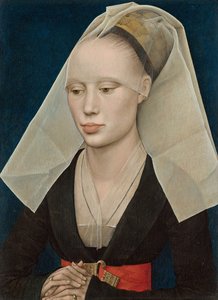
1400 - 1464 , Belgie

Objevte 10 ikonických děl rané nizozemské renesance – Jan van Eyck, Robert Campin a další mistři. Ponořte se do příběhů olejomalby, portrétů a symboliky. Najděte inspiraci pro váš interiér s reprodukcemi nejvyšší kvality na Most-Famous-Paintings.com

Explore the revolutionary art of Rogier van der Weyden, a pivotal figure of the Early Netherlandish Renaissance. Discover his emotional realism, innovative compositions, and lasting impact on painting history.

Objevte 10 ikonických děl rané nizozemské malby – Jan van Eyck, Rogier van der Weyden a další mistři. Ponořte se do renesanční techniky a historie umění s Most-Famous-Paintings.com! Prohlédněte si reprodukce obrazů pro váš interiér.

Explore the revolutionary art of Hugo van der Goes – a master of Early Netherlandish painting renowned for his dramatic realism, psychological depth & profound influence on Renaissance artists. Discover his iconic works and lasting legacy.

Explore the Northern Renaissance! Discover Jan van Eyck's innovations, religious shifts, & key artists of this influential period. Expert analysis and insights into Early Netherlandish painting at Most-Famous-Paintings.


Buďte na tahu s nejnovějšími novinkami ze světa umění, exkluzivními nabídkami a inspirativními nápady na dekoraci.
Sdělte nám více o svém projektu a naši odborníci na umění vám připraví 3 personalizované návrhy uměleckých děl.
Nechť pro vás vybereme 3 možnosti – zdarma!


 Náhled
 Sdílet
 Sdílet
 Podrobnosti o díle

 Stáhnout
 Podobné položky
 Rentgenové snímky
 Slideshow

 Zobrazit více







 Skleněná varianta je dostupná pouze u rozměrů menších než 110 cm


