x

 Oil On PanelEarly Netherlandish Gothic
 1450Renaissance
 47.0 x 35.0 cm
 Museo del Prado
Ručně malovaná olejná barva na plátně ve vašem zvoleném rozměru i s rámem, vyrobená našimi umělci na zakázku. ( Koupit tisk Koupit obrázek)





























Vyberte si z našich přednastavených velikostí, které odpovídají původním proporcím díla.

Můžete zadat vlastní rozměry pro konkrétní rám nebo prostor. Pokud se vámi vybraná velikost neshoduje s proporcemi původního obrazu, dílo buď ořízneme, nebo jej doplníme ručně malovanými prvky. Před zahájením výroby vám bude zaslán digitální náhled ke schválení.
Upozorňujeme, že náhled na obrazovce neodpovídá skutečnému ořezu ani rozšíření. Pouze digitální náhled přesně zobrazí finální kompozici.
Ačkoliv je možné zvolit vlastní velikost, pro zachování původních proporcí doporučujeme vybrat rozměr z předdefinovaného seznamu.
Celosvětová doprava () za 3–4 týdny namísto standardních 5 týdnů. (14 srpen). Bez kompromisů v kvalitě.


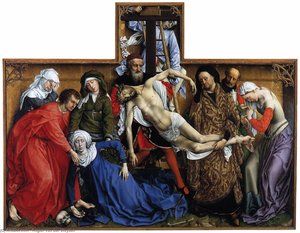
Pietà
Rozměry reprodukce
In the quiet stillness of the mid-15th century, a profound transformation occurred in the landscape of Northern European art, moving away from stylized icons toward a visceral, breathing reality. At the heart of this movement stands Rogier van der<|image>Weyden’s Pietà, a masterpiece that does not merely depict a biblical event but invites the viewer into a sacred space of shared mourning. Completed around 1450, this oil on oak panel serves as a monumental testament to human suffering and divine compassion. The scene captures the heavy, heartbreaking moment where the Virgin Mary cradles the lifeless body of her son, Jesus Christ, after his descent from the cross. It is a composition that transcends time, offering a window into the soul of the Early Netherlandish period.
The technical brilliance of van der Weyden is nothing short of extraordinary, reflecting his early training as a goldsmith. This background is evident in the meticulous precision with which he renders every fold of fabric and every glint of light. The artist employs a sophisticated use of chiaroscuro, creating dramatic contrasts between deep, velvety shadows and luminous highlights that sculpt the figures with a three-dimensional presence. His mastery over the oil medium allows for an almost tactile quality; one can sense the weight of Christ’s limp limbs and the heavy, textured drapery of Mary’s robes. This sculptural approach to painting provides a grounded, tangible reality to the ethereal subject matter, making the divine tragedy feel intimately human.
Beyond its technical prowess, the Pietà is a masterclass in psychological realism and symbolic depth. While many contemporary works relied on rigid, symbolic gestures, van der Weyden pioneered an emotional language that speaks directly to the viewer's empathy. The facial expressions are not merely masks of grief but nuanced studies of sorrow, characterized by a quiet, dignified agony. Every element of the composition is designed to evoke compassio—the shared suffering of the Virgin with her son. The way the figures are arranged creates a sense of enclosed, intimate space, drawing the observer into a private moment of lamentation.
For the discerning collector or interior designer, this artwork offers more than just aesthetic beauty; it provides a focal point of profound contemplative power. The subtle interplay of light and shadow makes it a versatile piece for high-end environments, capable of anchoring a room with its historical gravity and somber elegance. Whether placed in a gallery setting or as a centerpiece in a curated collection of Renaissance reproductions, the Pietà commands attention through its ability to evoke a sense of peace, reverence, and timelessness. It remains an enduring icon of the International Gothic style, bridging the gap between the medieval devotion of the past and the humanistic realism of the burgeoning Renaissance.
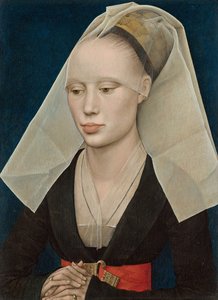
1400 - 1464 , Belgie

Objevte 10 ikonických děl rané nizozemské renesance – Jan van Eyck, Robert Campin a další mistři. Ponořte se do příběhů olejomalby, portrétů a symboliky. Najděte inspiraci pro váš interiér s reprodukcemi nejvyšší kvality na Most-Famous-Paintings.com

Objevte 10 ikonických děl rané nizozemské malby – Jan van Eyck, Rogier van der Weyden a další mistři. Ponořte se do renesanční techniky a historie umění s Most-Famous-Paintings.com! Prohlédněte si reprodukce obrazů pro váš interiér.

Explore the revolutionary art of Rogier van der Weyden, a pivotal figure of the Early Netherlandish Renaissance. Discover his emotional realism, innovative compositions, and lasting impact on painting history.
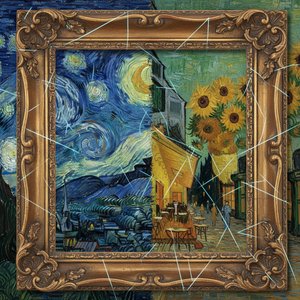
Prozkoumejte 25 nejlepších děl Vincenta van Gogha! Obrazy Slunečnic, Hvězdné noci a další mistrovská díla impresionismu. Reprodukce obrazů pro váš domov s Most-Famous-Paintings.cz – inspirace a umění na dosah.

Explore the revolutionary art of Hugo van der Goes – a master of Early Netherlandish painting renowned for his dramatic realism, psychological depth & profound influence on Renaissance artists. Discover his iconic works and lasting legacy.


Buďte na tahu s nejnovějšími novinkami ze světa umění, exkluzivními nabídkami a inspirativními nápady na dekoraci.
Sdělte nám více o svém projektu a naši odborníci na umění vám připraví 3 personalizované návrhy uměleckých děl.
Nechť pro vás vybereme 3 možnosti – zdarma!


 Náhled
 Sdílet
 Sdílet
 Podrobnosti o díle

 Stáhnout
 Podobné položky
 Rentgenové snímky
 Slideshow
 Zobrazit více







 Skleněná varianta je dostupná pouze u rozměrů menších než 110 cm