


x
Koupě vysoce rozlišeného, vylepšeného digitálního obrazu, který je mnohem kvalitnější než online náhled.
Každý soubor je pečlivě připraven našimi odborníky pomocí pokročilých nástrojů a expertní manuální retuše. Zajišťujeme, aby každý obraz disponoval výjimečnou ostrostí, přesnou barevnou věrností a jemnými detaily.
Finální soubor vám bude do 72 hodin zaslán e-mailem, optimalizovaný pro okamžité použití v profesionálním, redakčním i tiskovém prostředí. Nabízíme stejnou kvalitu, které důvěřují špičková designová studia, nakladatelství i galerie.
Stáhněte si soubor ve vysokém rozlišení pro osobní prohlížení, tisk a kreativní projekty. ( Koupit tisk Koupit ručně malovaný obraz)
Když si vyberete Most-Famous-Paintings.com, nezískáváte pouze obrázek – získáváte digitální umělecké dílo s profesionálně vylepšenými detaily, zpracované s precizností a podpořené zárukou za spokojenost. Zde je vše, co vaše objednávka automaticky obsahuje:

Váš digitální obraz ve vysokém rozlišení vám bude zaslán e-mailem do 72 hodin od objednávky – připraven k okamžitému použití.

Vaše umělecké dílo je profesionálně optimalizováno pomocí pokročilých nástrojů umělé inteligence a manuální úpravy, což zajišťuje maximální úroveň detailu, ostrosti a přesnosti barev.

Soubor jste omylem smazali nebo ztratili? Žádný problém – kdykoliv vám ho znovu zašleme zcela zdarma.

Užijte si své umělecké dílo okamžitě bez celních poplatků, daní nebo nákladů na dopravu – digitální stažení je vždy bez daňových povinností.

Pomocí profesionálních nástrojů a správy barev zajišťujeme, aby váš digitální obraz odrážel původní barvy co nejvěrněji.

Pokud nebudete s digitální fotografií spokojeni, provedeme její revizi nebo vám vrátíme 100% během 60 dnů – bez jakýchkoliv dotazů.

Nespokojeni? Získejte plnou částku zpět do 60 dní od přijetí vašeho digitálního souboru – bez jakýchkoliv dotazů.

Koupěte si 3 obrazy, ušetřete 10% - Koupěte si 5, ušetřete 15% - Koupěte si 10+, ušetřete 20%. Ideální pro kreativní projekty, galerie a agentury.
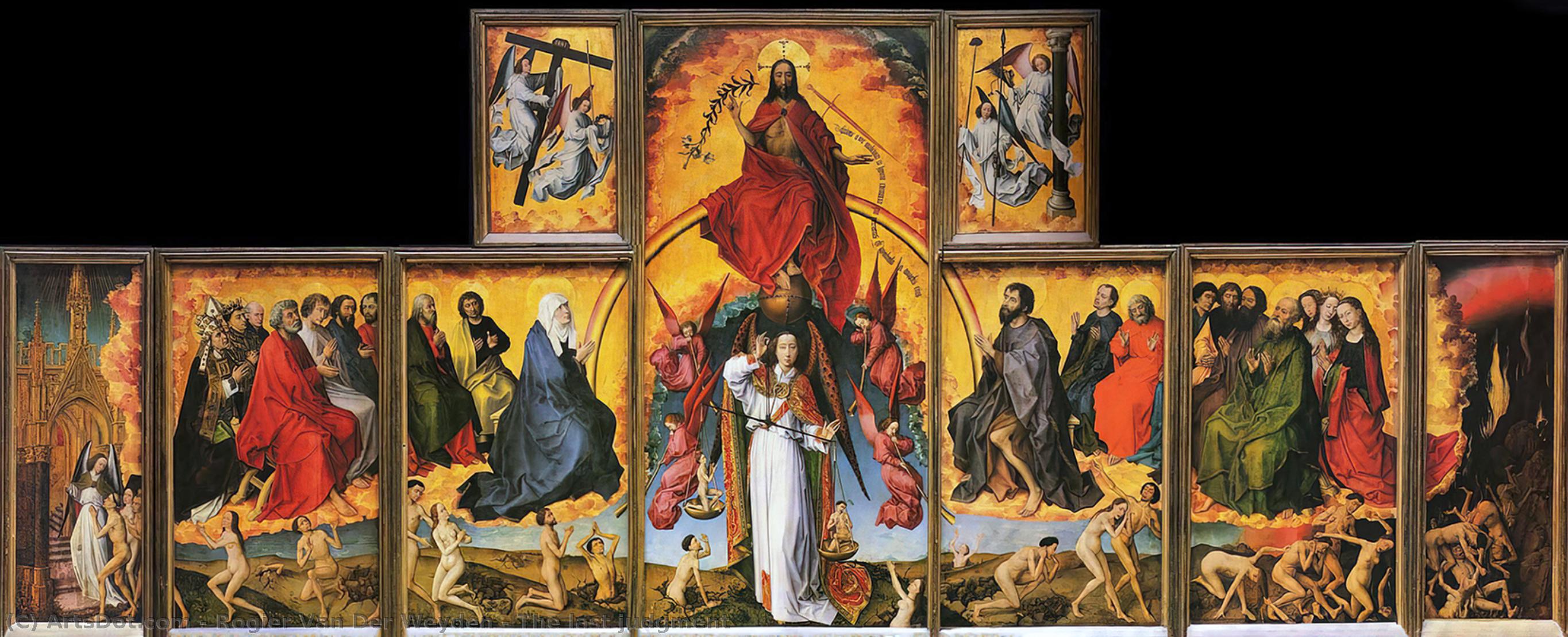
Rogier van der Weyden's "The Last Judgment," painted around 1430-1435, isn’t merely a depiction of biblical narrative; it’s a visceral exploration of human mortality and the agonizing weight of divine judgment. This monumental work, likely intended for a private chapel or a significant civic commission, transcends simple religious illustration to become a profoundly moving meditation on sin, redemption, and the inescapable consequences of earthly actions. Van der Weyden, already recognized as a master of psychological realism in his portraits, here unleashes an intensity rarely seen in Northern European painting of the period, employing techniques that anticipate the dramatic fervor of the Renaissance.
The scene unfolds within a richly detailed architectural setting – a vast, echoing space dominated by a towering crucifix. Figures are arranged in layers, creating a powerful sense of depth and drawing the viewer’s eye into the heart of the drama. Van der Weyden's meticulous attention to detail is immediately apparent: the textures of clothing, the folds of drapery, the subtle variations in skin tone – all rendered with an almost obsessive precision that lends each figure a startlingly lifelike quality. He doesn’t shy away from depicting the grotesque and uncomfortable; the faces of the damned are contorted in agony, their bodies twisted in despair, while those ascending to heaven exhibit expressions ranging from serene acceptance to ecstatic joy. The inclusion of a small dog on the left side adds an unexpected element of pathos – perhaps symbolizing loyalty or even judgment itself.
What distinguishes “The Last Judgment” is not simply its dramatic subject matter, but Van der Weyden's masterful manipulation of color and light. He employs a sophisticated palette – deep reds, blues, and golds contrasted with stark whites – to heighten the emotional impact of the scene. The use of *chiaroscuro*—the dramatic interplay of light and shadow—is particularly effective in sculpting the figures and emphasizing their expressions of torment or hope. Van der Weyden was a pioneer in using oil paints, allowing him to achieve subtle gradations of color and create a luminous quality that was previously unattainable with tempera. This technique allowed for a level of detail and realism that set him apart from his contemporaries.
Furthermore, Van der Weyden’s approach to depicting human emotion is revolutionary. He moves beyond the stylized gestures and idealized expressions common in earlier religious art, capturing moments of raw, unfiltered anguish and profound spiritual yearning. The faces of the damned are not simply frightening; they are heartbreakingly vulnerable, conveying a sense of utter despair. The figures ascending to heaven, while radiating joy, also exhibit a quiet dignity and acceptance that speaks volumes about their faith.
“The Last Judgment” is rich in symbolic meaning. The central crucifix represents Christ’s sacrifice and the gateway to salvation. The arrangement of figures – the damned descending into darkness, the saved ascending towards light – reflects traditional theological interpretations of the afterlife. Van der Weyden's work was created during a period of intense religious fervor and political upheaval in Burgundy, where the powerful Dukes were actively promoting piety and artistic patronage. This commission likely served as a potent reminder of moral responsibility and the consequences of sin within the ruling elite.
Interestingly, this painting is part of a larger polyptych, suggesting it was intended for a private chapel setting. The reverse side of the panel offers further insight into Van der Weyden’s artistic process and his engagement with contemporary trends. The influence of Italian Renaissance art, particularly in its use of perspective and dramatic composition, can be detected in “The Last Judgment,” signaling a shift towards greater realism and emotional intensity within Northern European painting.
“The Last Judgment” remains a profoundly moving work of art. It’s not just a depiction of biblical events; it's an exploration of the human condition—our capacity for both great good and terrible evil, our struggle with mortality, and our yearning for redemption. Van der Weyden’s masterful technique, combined with his profound understanding of human psychology, creates a work that continues to resonate with viewers centuries after its creation. A high-quality reproduction allows us to experience the painting's emotional power and artistic brilliance in our own homes, serving as a constant reminder of the choices we make and their ultimate consequences.

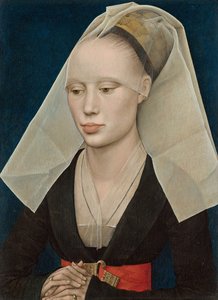
1400 - 1464 , Belgie


Buďte na tahu s nejnovějšími novinkami ze světa umění, exkluzivními nabídkami a inspirativními nápady na dekoraci.
Sdělte nám více o svém projektu a naši odborníci na umění vám připraví 3 personalizované návrhy uměleckých děl.
Nechť pro vás vybereme 3 možnosti – zdarma!


 Náhled
 Sdílet
 Sdílet
 Podrobnosti o díle

 Stáhnout
 Podobné položky
 Rentgenové snímky
 Slideshow
 Zobrazit více


