x

Ručně malovaná olejná barva na plátně ve vašem zvoleném rozměru i s rámem, vyrobená našimi umělci na zakázku. ( Koupit tisk Koupit obrázek)





























Vyberte si z našich přednastavených velikostí, které odpovídají původním proporcím díla.

Můžete zadat vlastní rozměry pro konkrétní rám nebo prostor. Pokud se vámi vybraná velikost neshoduje s proporcemi původního obrazu, dílo buď ořízneme, nebo jej doplníme ručně malovanými prvky. Před zahájením výroby vám bude zaslán digitální náhled ke schválení.
Upozorňujeme, že náhled na obrazovce neodpovídá skutečnému ořezu ani rozšíření. Pouze digitální náhled přesně zobrazí finální kompozici.
Ačkoliv je možné zvolit vlastní velikost, pro zachování původních proporcí doporučujeme vybrat rozměr z předdefinovaného seznamu.
Celosvětová doprava () za 3–4 týdny namísto standardních 5 týdnů. (16 srpen). Bez kompromisů v kvalitě.


Cape Cod still life
Rozměry reprodukce
Roy Lichtenstein’s “Cape Cod Still Life,” completed in 1972, stands as a cornerstone of Pop Art—a movement that irrevocably challenged the conventions of fine art and embraced imagery derived from popular culture. More than just a depiction of objects; it's an astute commentary on consumerism and a masterful distillation of artistic influences.
Born in Manhattan in 1923, Roy Fox Lichtenstein’s formative years were marked by exposure to museums and jazz music—experiences that instilled within him a profound appreciation for visual storytelling. Initially drawn to realistic drawing and painting, he swiftly transitioned towards experimentation with Ben-Day dots—a printing technique popularized in advertising—which would become his signature stylistic element.
“Cape Cod Still Life” exemplifies Lichtenstein’s distinctive approach. The artist employs a palette of vibrant hues—primarily reds, yellows, and blues—to create an arresting visual composition. These colors are applied in flat planes, devoid of shading or blending, mirroring the aesthetic principles of comic strip art.
Crucially, Lichtenstein utilizes Ben-Day dots—tiny colored squares meticulously arranged to simulate halftone printing—to achieve a textured effect and heighten the illusion of depth. This technique, borrowed directly from advertising campaigns, elevates the seemingly simple subject matter into an intellectually stimulating exercise in visual perception.
Created during the height of the Pop Art movement, “Cape Cod Still Life” responds to the pervasive influence of mass media—particularly print advertisements—which dominated American culture in the early 1970s. Lichtenstein deliberately appropriates stylistic conventions from art history, referencing Picasso’s Cubism and Cézanne’s Impressionism, subtly undermining their perceived seriousness.
The arrangement itself is carefully considered: bottles, a rope, a bowl, and a book—objects familiar to the domestic sphere—are presented in a stylized tableau. This deliberate juxtaposition underscores Lichtenstein's intention to engage viewers in a dialogue about art’s relationship with everyday life and its capacity for ironic commentary.
"Cape Cod Still Life" transcends mere representation; it communicates an underlying sense of optimism and playful experimentation. The bold colors, geometric shapes, and meticulous Ben-Day dot pattern evoke a feeling of immediacy and visual excitement—a characteristic that continues to resonate with audiences today.
More than just a beautiful image, Lichtenstein’s masterpiece serves as a testament to the transformative power of Pop Art—a movement that redefined artistic boundaries and cemented Lichtenstein's place among the most influential artists of the twentieth century. Its enduring appeal lies in its ability to capture both the spirit of an era and the timeless fascination with visual language.


1923 - 1997 , Spojojené státy americké

Explore the psychological depth of Roy Lichtenstein's color theory. An expert analysis for art students and collectors on Ben-Day dots, primary palettes, and the intersection of Pop Art with mass media history.
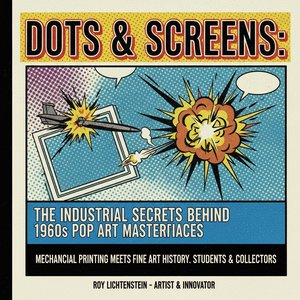
Explore the industrial secrets of 1960s Pop Art. Discover how Ben-Day dots and silk screening transformed mass media into masterpieces by Roy Lichtenstein. An in-depth look at the intersection of mechanical printing and fine art history for students and collectors.


Buďte na tahu s nejnovějšími novinkami ze světa umění, exkluzivními nabídkami a inspirativními nápady na dekoraci.
Sdělte nám více o svém projektu a naši odborníci na umění vám připraví 3 personalizované návrhy uměleckých děl.
Nechť pro vás vybereme 3 možnosti – zdarma!


 Náhled
 Sdílet
 Sdílet
 Podrobnosti o díle

 Stáhnout
 Podobné položky
 Rentgenové snímky
 Slideshow


 Zobrazit více







 Skleněná varianta je dostupná pouze u rozměrů menších než 110 cm