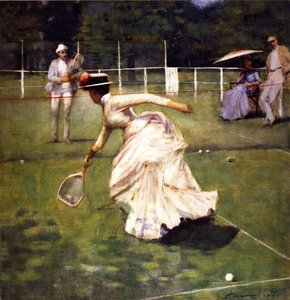
x


 Koupit tisk Koupit digitální obrázek
 Sdílet
 Podrobnosti o díle
 Přidat do oblíbených
 Stáhnout
 Podobné položky
 Rentgenové snímky
 Slideshow
Ručně malovaná olejná barva na plátně ve vašem zvoleném rozměru i s rámem, vyrobená našimi umělci na zakázku.





























Vyberte si z našich přednastavených velikostí, které odpovídají původním proporcím díla.

Můžete zadat vlastní rozměry pro konkrétní rám nebo prostor. Pokud se vámi vybraná velikost neshoduje s proporcemi původního obrazu, dílo buď ořízneme, nebo jej doplníme ručně malovanými prvky. Před zahájením výroby vám bude zaslán digitální náhled ke schválení.
Upozorňujeme, že náhled na obrazovce neodpovídá skutečnému ořezu ani rozšíření. Pouze digitální náhled přesně zobrazí finální kompozici.
Ačkoliv je možné zvolit vlastní velikost, pro zachování původních proporcí doporučujeme vybrat rozměr z předdefinovaného seznamu.
Celosvětová doprava () za 3–4 týdny namísto standardních 5 týdnů. (18 červenec). Bez kompromisů v kvalitě.


The Letter
Rozměry reprodukce
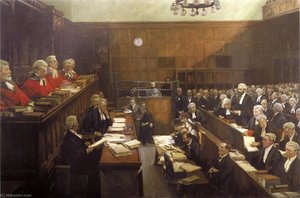
Sir John Lavery's "The Letter," painted in 1908, isn’t merely a portrait; it’s a carefully constructed tableau of domestic intimacy and subtle emotional depth. Captured with the Impressionistic brushstrokes characteristic of his later work, the painting depicts a woman seated on a plush bed, completely absorbed in reading a letter – an act that immediately invites speculation about its contents and the recipient's impact. Lavery masterfully eschews overt drama, instead focusing on capturing a fleeting moment of quiet contemplation, a stillness that speaks volumes about the subject’s inner world.
The painting’s composition is deceptively simple yet profoundly effective. The woman, positioned slightly off-center, anchors the scene while the four-poster bed and flowing curtains create a sense of enveloping comfort and privacy. Notice how Lavery uses the architecture to subtly guide the viewer's eye – the receding lines of the bed frame and window draw us into the intimate space, mirroring the subject’s absorption in her reading. The color palette is deliberately muted—soft yellows, creams, and pale blues dominate—evoking a sense of warmth and serenity, while touches of pink in the woman’s dress and cheeks offer delicate highlights that prevent the scene from becoming overly somber.
Lavery’s Impressionistic style is evident in every brushstroke. He employs a technique of layering thin washes of oil paint, building up color gradually to create luminous effects and a sense of atmospheric depth. The visible texture of the paint—the loose, broken strokes—contribute significantly to the painting's overall feeling of immediacy and spontaneity. Unlike more rigid academic styles, Lavery prioritized capturing the *impression* of light and color rather than precise detail. This is particularly noticeable in the rendering of the fabrics – the velvet curtains appear almost weightless, while the woman’s dress flows with a subtle grace.
The artist's influence from Whistler is palpable; Lavery shared Whistler’s interest in capturing fleeting moments and exploring the interplay of light and color. However, unlike Whistler’s often abstract compositions, Lavery grounds his work in recognizable subjects—portraits, landscapes, and scenes of everyday life—making them accessible to a wider audience. “The Letter” exemplifies this balance between artistic experimentation and narrative clarity.
Beyond its surface beauty, "The Letter" is rich with symbolic potential. The act of reading a letter inherently carries layers of meaning – anticipation, revelation, perhaps even heartbreak or longing. The woman’s posture—her head bent slightly downward, her gaze fixed on the page—suggests deep concentration and vulnerability. She's not simply reading; she’s receiving something that profoundly affects her.
Considering Lavery’s own life – his early loss of parents, his subsequent moves between Glasgow and London, and his later years spent in Ireland – it’s possible to interpret the painting as a reflection on themes of connection, isolation, and the enduring power of communication. The letter itself becomes a conduit for unspoken emotions and hidden desires. The subtle details—the delicate lace collar, the worn velvet cushion—add further layers of meaning, hinting at a life lived within the confines of domesticity.
“The Letter” is a quintessential example of Sir John Lavery’s remarkable talent for capturing the spirit of his age. Painted during a period of rapid social change in Britain, it offers a glimpse into the private lives of the upper classes – their rituals, their affections, and their quiet moments of reflection. Lavery's ability to portray both outward elegance and inner complexity cemented his reputation as one of the most sought-after portraitists of his time. Reproductions of this evocative work continue to resonate with viewers today, offering a timeless reminder of the power of a single, carefully observed moment.

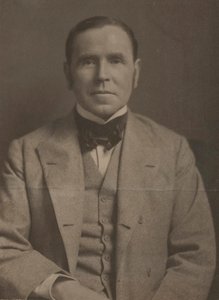
1856 - 1941 , Irsko

Prozkoumejte 10 ikonických děl impresionismu od Monet, Renoir a dalších. Objevte příběhy za slavnými obrazy, techniky malby a inspiraci pro váš interiér. Reprodukce umění nejvyšší kvality na Most-Famous-Paintings.com.
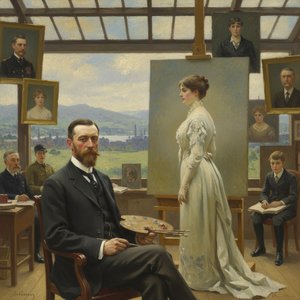
Explore the life & art of Sir John Lavery, a master of Scottish Impressionism and renowned portraitist. Discover his captivating works, Irish heritage, and lasting legacy with Most-Famous-Paintings.
Commission a timeless oil portrait from skilled artists at Most-Famous-Paintings. Preserve your family's legacy with museum-quality paintings, crafted to cherish for generations. Expert guidance & personalized service.
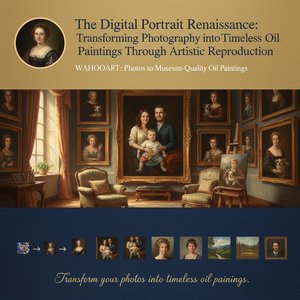
Transform your cherished photos into timeless oil paintings with Most-Famous-Paintings's expert artists. Museum-quality reproductions & custom portraits, crafted to last a lifetime. Discover the art of personal legacy.

Discover Lilla Cabot Perry (1848-1933), a pioneering American Impressionist painter. Explore her captivating portraits of Boston society, Monet's influence, and lasting legacy in art history. Learn more at Most-Famous-Paintings.


Buďte na tahu s nejnovějšími novinkami ze světa umění, exkluzivními nabídkami a inspirativními nápady na dekoraci.
Sdělte nám více o svém projektu a naši odborníci na umění vám připraví 3 personalizované návrhy uměleckých děl.
Nechť pro vás vybereme 3 možnosti – zdarma!


 Sdílet


 Zobrazit více







 Skleněná varianta je dostupná pouze u rozměrů menších než 110 cm