x

 Olej na plátněObrazová tvorba na stěnuBaroque
 1611
1611 249.0 x 296.0 cm
 Wallraf-Richartz-Museum
Giclée nebo plátěný tisk muzeální kvality s rychlou výrobou a flexibilními možnostmi povrchové úpravy. ( Koupit ručně malovaný obraz Koupit obrázek)





























Vyberte si z našich přednastavených velikostí, které odpovídají původním proporcím díla.

Můžete zadat vlastní rozměry tak, aby výtvor odpovídal konkrétnímu rámu nebo prostoru. Pokud zvolená velikost nebude odpovídat poměru stran původního obrazu, dílo buď ořížeme, nebo obraz rozšíříme pomocí zrcadlového efektu či jednobarevného okraje. Před zahájením výroby vám bude zaslán digitální náhled k schválení.
Mějte prosím na paměti, že náhled na obrazovce neodráží skutečné oříznutí nebo rozšíření. Pouze digitální náhled přesně zobrazí finální kompozici.
Ačkoliv jsou k dispozici i vlastní rozměry, pro zachování původních proporcí doporučujeme vybrat si rozměr z předdefinovaného seznamu.
Celosvětové doručení () do 2 týdnů namísto standardních 4/5 týdnů. (17 srpen)


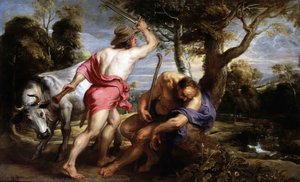
Juno and Argus
Rozměry reprodukce
Peter Paul Rubens, a titan of the Flemish Baroque, possessed an unparalleled ability to infuse his paintings with dynamism, sensuality, and profound erudition. Among his vast oeuvre, “Juno and Argus” (c. 1611), currently residing in the Wallraf-Richartz Museum in Cologne, stands as a particularly compelling example of his mastery. This monumental work transcends mere mythological depiction; it’s a carefully constructed narrative brimming with symbolism, dramatic tension, and an exquisite demonstration of Rubens's technical prowess.
The scene unfolds within a richly detailed interior setting, dominated by the imposing figure of Juno, Roman goddess of marriage and childbirth. She is depicted in regal splendor, clad in deep reds and blacks – colors traditionally associated with power, authority, and divine presence. Her outstretched hand, poised over the decapitated body of Argus, embodies both command and a chilling sense of purpose. Argus, once famed for his hundred eyes, now lies lifeless, his glowing remnants being meticulously gathered by Juno to adorn the tail feathers of a magnificent peacock – an image laden with potent symbolism relating to vigilance, perception, and ultimately, vanity. The presence of the peacock itself is crucial; it represents Juno’s own pride and her relentless pursuit of maintaining order and control.
Rubens's compositional genius is immediately apparent in “Juno and Argus.” He masterfully employs a pyramidal structure, anchoring the scene with Argus’s body and culminating in Juno’s commanding form. The figures are arranged not as static representations but as active participants within a dramatic unfolding event. The use of *tenebrism*, a technique borrowed from Caravaggio, creates a powerful contrast between light and shadow, intensifying the emotional impact of the scene. Notice how the light dramatically illuminates Juno's face and hands, drawing the viewer’s eye to her decisive gesture while simultaneously shrouding Argus’s body in darkness – emphasizing his demise and the severity of Juno’s action.
Rubens’s technical skill is equally impressive. He demonstrates a remarkable understanding of color theory, utilizing a vibrant palette dominated by rich blues, yellows, and reds to create a sense of opulence and drama. The textures are meticulously rendered – from the smooth flesh tones of the figures to the intricate detail of the peacock's plumage – showcasing Rubens’s ability to capture both form and surface with breathtaking realism. The subtle gradations of color and light contribute significantly to the painting’s overall luminosity and depth.
“Juno and Argus” is based on a pivotal episode from Ovid's *Metamorphoses*, where Juno, consumed by jealousy of Jupiter’s affections for Io, orchestrates the murder of Argus, who was tasked with guarding the nymph. The story itself speaks to themes of love, betrayal, and the destructive power of unchecked ambition. Rubens doesn’t simply depict this narrative; he imbues it with a profound sense of psychological drama. Juno's expression is not one of simple triumph but rather a complex mixture of determination, ruthlessness, and perhaps even a hint of regret.
Beyond the immediate story, the painting is rich in symbolic meaning. The hundred eyes of Argus represent vigilance and constant observation – qualities that are ultimately rendered futile against Juno’s power. The peacock's tail feathers, adorned with Argus’s eyes, symbolize vanity and the fleeting nature of beauty and perception. The rainbow in the background serves as a visual metaphor for divine intervention and the interconnectedness of the mortal and celestial realms.
“Juno and Argus” is more than just a mythological scene; it’s a masterful demonstration of Rubens's artistic vision. It embodies the key characteristics of the Baroque style – dramatic lighting, dynamic composition, intense emotion, and an erudite engagement with classical mythology. Rubens’s ability to seamlessly blend technical virtuosity with profound symbolic meaning ensures that “Juno and Argus” continues to captivate viewers centuries after its creation. For those seeking a window into the heart of the Baroque era, or for collectors desiring a stunning reproduction of this iconic masterpiece, Most-Famous-Paintings offers meticulously crafted oil painting reproductions that faithfully capture the essence and beauty of Rubens’s original work.


1577 - 1640 , Německo
Discover the life & art of Peter Paul Rubens, the most influential artist of the Flemish Baroque tradition. Explore his masterpieces, legacy, and impact on art history with Most-Famous-Paintings.

Explore the dramatic brilliance of the Flemish Baroque movement. Discover how masters like Peter Paul Rubens utilized chiaroscuro and dynamic composition to redefine art history through light, shadow, and unparalleled emotion.

Explore the dramatic world of Baroque art! Discover iconic artists like Caravaggio & Rubens, defining techniques, and its lasting impact on art history. Expert insights for collectors & enthusiasts at Most-Famous-Paintings.
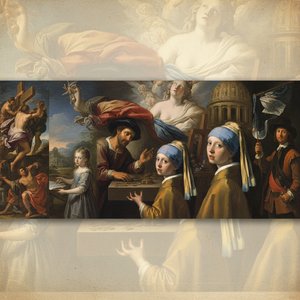
Objevte 10 ikonických děl barokního umění – od Caravaggia po Rembrandta. Ponořte se do příběhů mistrů, technik a emocí tohoto velkolepého období. Reprodukce obrazů nejvyšší kvality na Most-Famous-Paintings.com! Prozkoumejte celou kolekci online.

Explore the grandeur of Baroque portraiture! Discover Rubens, Van Dyck & the masters of 17th-century art. Uncover symbolism, techniques & lasting influence. Expert insights for collectors and enthusiasts.


Buďte na tahu s nejnovějšími novinkami ze světa umění, exkluzivními nabídkami a inspirativními nápady na dekoraci.
Sdělte nám více o svém projektu a naši odborníci na umění vám připraví 3 personalizované návrhy uměleckých děl.
Nechť pro vás vybereme 3 možnosti – zdarma!


 Náhled
 Sdílet
 Sdílet
 Podrobnosti o díle

 Stáhnout
 Podobné položky
 Rentgenové snímky
 Slideshow
 Zobrazit více







 Skleněná varianta je dostupná pouze u rozměrů menších než 110 cm