x

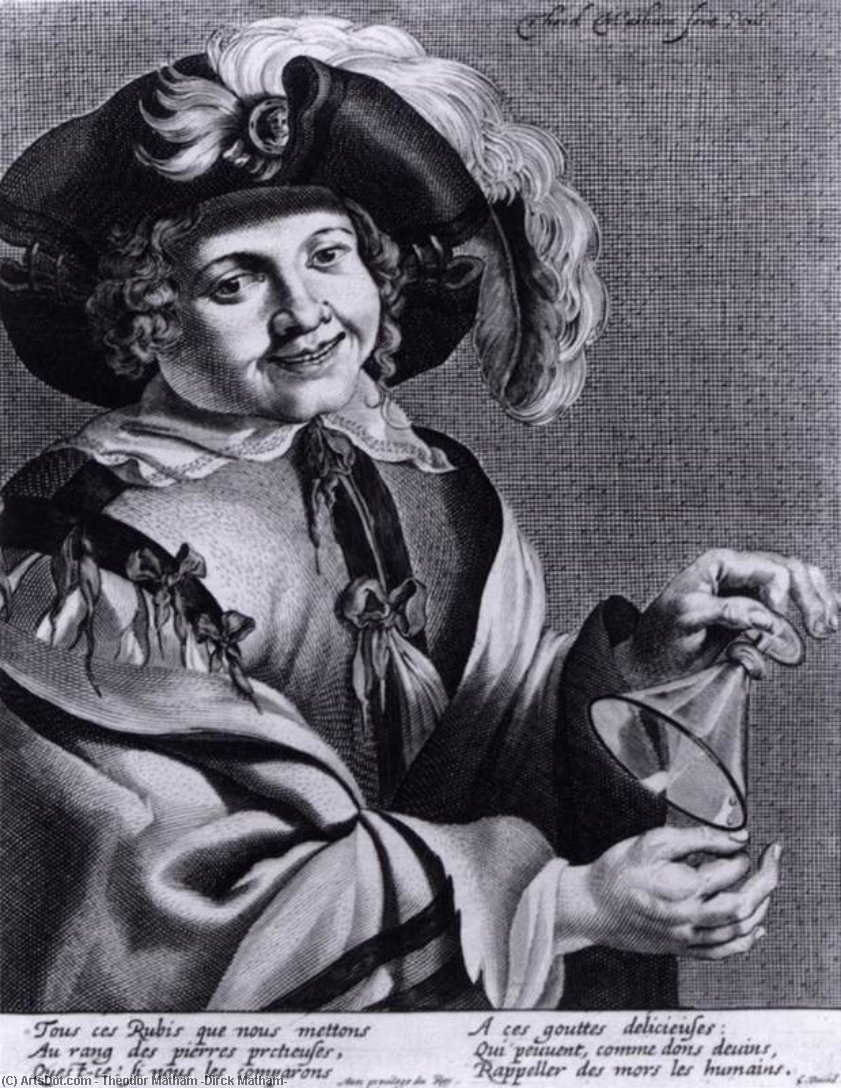
 1629
1629 216.0 x 170.0 cm
 Graphische Sammlung Albertina
Ručně malovaná olejná barva na plátně ve vašem zvoleném rozměru i s rámem, vyrobená našimi umělci na zakázku. ( Přepnout na tisk Přepnout na obrázek)
Vyberte si z našich přednastavených velikostí, které odpovídají původním proporcím díla.

Můžete zadat vlastní rozměry pro konkrétní rám nebo prostor. Pokud se vámi vybraná velikost neshoduje s proporcemi původního obrazu, dílo buď ořízneme, nebo jej doplníme ručně malovanými prvky. Před zahájením výroby vám bude zaslán digitální náhled ke schválení.
Upozorňujeme, že náhled na obrazovce neodpovídá skutečnému ořezu ani rozšíření. Pouze digitální náhled přesně zobrazí finální kompozici.
Ačkoliv je možné zvolit vlastní velikost, pro zachování původních proporcí doporučujeme vybrat rozměr z předdefinovaného seznamu.
Celosvětová doprava () za 3–4 týdny namísto standardních 5 týdnů. (4 srpen). Bez kompromisů v kvalitě.


Merry Toper
Rozměry reprodukce

In the vibrant, bustling atmosphere of the Dutch Golden Age, where the scent of sea salt mingled with the industrious spirit of Haarlem, a master of fine line and subtle shadow emerged. Theodor Matham, also known by his more formal designation Dirck Matham, was not merely an engraver but a chronicler of the human soul through the meticulous application of ink to copper. Born around 1605 in the illustrious city of Haarlem, Matham was born into a lineage of artistic excellence. As the younger son of the renowned engraver Jacob Matham and brother to talented printmakers Jan and Adriaen, his very identity was woven into the fabric of the Netherlandish printmaking tradition.
The early years of Matham’s life were likely defined by the rhythmic scratching of the burin against metal. While the precise details of his apprenticeship remain shrouded in the mists of history, scholars often point to the profound influence of Lucas Jansz. van Leyden and later, the Italian-influenced studies under Cornelius Bloemaert. This journey from the local workshops of Haarlem to the artistic epicenters of Italy allowed Matham to synthesize the rigorous realism of his Dutch heritage with the elegant, flowing compositions of the Southern Mannerist style. His travels provided him with a cosmopolitan perspective, enabling him to return to the Netherlands not just as a craftsman, but as an artist capable of capturing both the local character and a broader European aesthetic.
To gaze upon a Matham print is to witness a masterclass in technical precision. His work transcends simple reproduction; he utilized the advancements in etching and engraving technology to achieve a level of tonal nuance that breathed life into static images. Matham possessed an uncanny ability to render the tactile reality of his subjects—the heavy weight of velvet, the crispness of a lace collar, and the subtle sheen of polished armor. His technique was characterized by an unwavering commitment to anatomical accuracy, yet he never allowed mere technicality to overshadow emotion. Instead, he used fine, tapering lines to suggest the soft contours of a face or the weary slump of a shoulder, imbuing his portraits with a profound psychological depth.
His oeuvre is particularly celebrated for its portraiture, where he captured the likenesses of the era's most notable figures. Whether depicting the intellectual gravity of the poet Joost van den Vondel or the regal presence of monarchs like Christian IV of Denmark, Matham sought to reveal the essence of his sitters. His prints often functioned as much more than simple likenesses; they were social documents that showcased the opulent attire and leisurely pursuits of the wealthy Dutch patrons, while simultaneously weaving in deeper, more contemplative themes. In works such as his Vanitas series, he utilized the symbols of mortality—skulls, extinguished candles, or wilting flowers—to remind the viewer of the fleeting nature of earthly glory, a hallmark of the Dutch philosophical landscape.
As the seventeenth century progressed, Matham’s influence rippled through the printmaking communities of Europe. His ability to translate the grander paintings of masters like Abraham Bloemaert or Guido Reni into the intimate medium of print allowed his vision to reach a much wider audience, far beyond the walls of private galleries. He was a pivotal figure in the dissemination of artistic ideals, acting as both an artist and a publisher who helped shape the visual vocabulary of the Dutch Golden Age.
Though he passed away in Amsterdam in 1676, leaving behind a legacy etched in copper, the impact of his work remains indelible. His contributions can be summarized through several key pillars of his career:
Today, the works attributed to Theodor Matham continue to captivate collectors and historians alike. In every fine line and delicate hatch mark, one finds the heartbeat of an era—a testament to a man who could capture the ephemeral beauty of life through the permanent medium of metal.

1605 - 1676 , Netherlands


Buďte na tahu s nejnovějšími novinkami ze světa umění, exkluzivními nabídkami a inspirativními nápady na dekoraci.
Sdělte nám více o svém projektu a naši odborníci na umění vám připraví 3 personalizované návrhy uměleckých děl.
Nechť pro vás vybereme 3 možnosti – zdarma!


 Náhled
 Sdílet
 Sdílet
 Podrobnosti o díle

 Stáhnout
 Podobné položky
 Rentgenové snímky
 Slideshow
 Zobrazit více




































 Skleněná varianta je dostupná pouze u rozměrů menších než 110 cm