Prodávejte své umění
Seznam přání Nákupní košík Cart
NáhledNáhled Náhled v ARNáhled v AR Koupit tisk Koupit tiskKoupit ručně malovaný obraz Koupit ručně malovaný obraz SdíletSdílet
Podrobnosti o dílePodrobnosti o díle Přidat do oblíbených Přidat do oblíbených StáhnoutStáhnout Podobné položkyPodobné položky Rentgenové snímkyRentgenové snímky SlideshowSlideshow

Giusto Ferdinando Tenducci

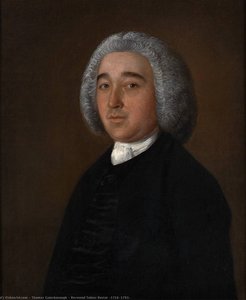
Experience the captivating portrait of Giusto Ferdinando Tenducci by Thomas Gainsborough! This stunning 1773-1775 painting captures the castrato opera singer, showcasing a serene expression and musical passion.

Thomas Gainsborough (1727-1788): Britský malíř portrétů & krajinářů, zakladatel Royal Academy. Jeho díla zachycují krásu Anglie a lidské povahy s lehkostí a emocemi.

Koupě vysoce rozlišeného, vylepšeného digitálního obrazu, který je mnohem kvalitnější než online náhled.

Každý soubor je pečlivě připraven našimi odborníky pomocí pokročilých nástrojů a expertní manuální retuše. Zajišťujeme, aby každý obraz disponoval výjimečnou ostrostí, přesnou barevnou věrností a jemnými detaily.

Finální soubor vám bude do 72 hodin zaslán e-mailem, optimalizovaný pro okamžité použití v profesionálním, redakčním i tiskovém prostředí. Nabízíme stejnou kvalitu, které důvěřují špičková designová studia, nakladatelství i galerie.

Digitální obrazy

Stáhněte si soubor ve vysokém rozlišení pro osobní prohlížení, tisk a kreativní projekty. (Koupit tisk Koupit tiskKoupit ručně malovaný obraz Koupit ručně malovaný obraz)

Celková cena

$ 24,90

Součást každé objednávky digitálního obrazu

Profesionální digitální doručení, zaručeno.

Když si vyberete Most-Famous-Paintings.com, nezískáváte pouze obrázek – získáváte digitální umělecké dílo s profesionálně vylepšenými detaily, zpracované s precizností a podpořené zárukou za spokojenost. Zde je vše, co vaše objednávka automaticky obsahuje:

shipping_icon
Rychlé doručení e-mailem

Váš digitální obraz ve vysokém rozlišení vám bude zaslán e-mailem do 72 hodin od objednávky – připraven k okamžitému použití.

canvas_icon
Digitální soubor s využitím AI

Vaše umělecké dílo je profesionálně optimalizováno pomocí pokročilých nástrojů umělé inteligence a manuální úpravy, což zajišťuje maximální úroveň detailu, ostrosti a přesnosti barev.

insurance_icon
Bezplatné doživotní znovuodeslání

Soubor jste omylem smazali nebo ztratili? Žádný problém – kdykoliv vám ho znovu zašleme zcela zdarma.

tax_icon
Bez poplatků za dovoz – navždy

Užijte si své umělecké dílo okamžitě bez celních poplatků, daní nebo nákladů na dopravu – digitální stažení je vždy bez daňových povinností.

color_icon
Záruka přesnosti barev

Pomocí profesionálních nástrojů a správy barev zajišťujeme, aby váš digitální obraz odrážel původní barvy co nejvěrněji.

return_icon
60denní záruka spokojenosti

Pokud nebudete s digitální fotografií spokojeni, provedeme její revizi nebo vám vrátíme 100% během 60 dnů – bez jakýchkoliv dotazů.

guarantee_icon
100% záruka vrácení peněz

Nespokojeni? Získejte plnou částku zpět do 60 dní od přijetí vašeho digitálního souboru – bez jakýchkoliv dotazů.

discount_icon
Slevy při hromadných objednávkách

Koupěte si 3 obrazy, ušetřete 10% - Koupěte si 5, ušetřete 15% - Koupěte si 10+, ušetřete 20%. Ideální pro kreativní projekty, galerie a agentury.

Základní informace

  • Medium: Oil on canvas
  • Artist: Thomas Gainsborough
  • Title: Giusto Ferdinando Tenducci
  • Subject or theme: Singer portrait
  • Location: Barber Institute, UK
  • Year: 1775
  • Notable elements: Sheet music, castrato

Kvíz o umění

U každé otázky je pouze jedna správná odpověď.

Otázka 1:
What is the primary subject of Thomas Gainsborough’s ‘Giusto Ferdinando Tenducci’?
Otázka 2:
The painting ‘Giusto Ferdinando Tenducci’ exemplifies which artistic period?
Otázka 3:
What is the significance of the sheet music in the painting’s composition?
Otázka 4:
Thomas Gainsborough was born in which location?
Otázka 5:
The lighting in ‘Giusto Ferdinando Tenducci’ is primarily from what direction?

Popis sběratelského kusu

The Enigmatic Voice Captured – Giusto Ferdinando Tenducci

Thomas Gainsborough’s portrait of Giusto Ferdinando Tenducci, painted circa 1773-1775, is more than a simple likeness; it's a carefully constructed tableau brimming with the spirit and allure of the late 18th-century operatic world. The subject himself – a castrato opera singer renowned for his captivating voice and flamboyant personality – embodies a fascinating intersection of artistry, performance, and societal constraints. Tenducci’s stillness, captured in a moment of apparent repose, belies the vibrant energy he undoubtedly possessed on stage, suggesting a brief pause between performances or perhaps a quiet contemplation of his craft.

The painting immediately draws the eye to Tenducci's face – a study in serene composure. His eyes are closed, creating an intimate and almost melancholic effect, as if inviting the viewer into his inner world. The subtle curve of his lips hints at a gentle smile, suggesting a man accustomed to adoration and appreciative applause. Gainsborough masterfully utilizes light and shadow to sculpt Tenducci’s features, emphasizing the delicate structure of his face and the rich texture of his hair – meticulously powdered in the fashionable style of the era. The muted palette, dominated by browns, blues, and creams, contributes to a sense of understated elegance, allowing Tenducci's presence to command attention without resorting to overt display.

A Window into Georgian Society & Opera’s Rise

To fully appreciate this portrait, one must understand the context in which it was created. The 1770s marked a golden age for opera in Britain, fueled by Italian influence and a growing appetite among the aristocracy for lavish theatrical productions. Castrati singers – men who had undergone castration to preserve their vocal range and agility – were immensely popular, commanding enormous fees and attracting devoted audiences. Their voices, often described as possessing an ethereal quality, were considered uniquely beautiful and captivating.

Gainsborough’s fascination with music is evident throughout his oeuvre, and this portrait reflects a deep engagement with the cultural phenomenon of opera. He wasn't merely depicting a singer; he was capturing the essence of performance itself – the anticipation, the artistry, and the connection between performer and audience. The inclusion of the sheet music in Tenducci’s hand serves as a potent symbol of his profession, grounding the portrait within the world of musical creation.

Technique & Gainsborough's Signature Style

Gainsborough’s technique is characterized by its loose brushwork and vibrant color palette. He employed a ‘broken’ style, layering thin washes of paint to create a sense of luminosity and movement. Notice the subtle variations in tone – the delicate highlights on Tenducci’s forehead, the soft shadows that define his features, and the hazy atmosphere surrounding him. These details contribute to the painting's remarkable depth and realism.

The composition is carefully balanced, with Tenducci positioned slightly off-center, creating a sense of dynamism. Gainsborough’s use of light is particularly noteworthy – it appears to emanate from the left side of the canvas, casting gentle shadows on the right, which adds depth and drama to the scene. The artist's signature, “Gainsborough,” is discreetly placed in the lower right corner, a testament to his confidence and skill.

Symbolism & Emotional Resonance

Beyond its technical merits, this portrait resonates with profound symbolism. Tenducci’s closed eyes evoke a sense of introspection and vulnerability, suggesting that beneath the surface of performance lies a complex and perhaps melancholic soul. The sheet music represents not only his profession but also his passion and dedication to his art. The overall mood is one of quiet dignity and understated elegance – a testament to Gainsborough's ability to capture the essence of his subject with remarkable sensitivity.

This painting offers a rare glimpse into the world of Georgian opera, inviting us to contemplate the artistry, the social context, and the emotional depth of a truly exceptional performer. It’s a captivating work that continues to resonate with viewers today, reminding us of the enduring power of music and art to move and inspire.


Biografie umělce

A Suffolk Beginning: The Early Life and Artistic Awakening

The story of Thomas Gainsborough, one of Britain’s most celebrated artists, unfolds not within the confines of a grand academy or bustling metropolis, but in the tranquil market town of Sudbury, Suffolk. Born in 1727, the youngest son of John Gainsborough, a weaver and wool merchant, young Thomas displayed an innate artistic sensibility from a remarkably early age. While his siblings pursued more conventional paths, Thomas’s world rapidly became consumed by drawing and painting – miniature self-portraits and delicate landscapes blossoming from his hand even before he reached ten years old. This precocious talent wasn't merely a childhood pastime; it was the burgeoning of a vision that would reshape British art. His father, recognizing this unique gift, encouraged its development, setting young Thomas on a path diverging sharply from the family trade. The Suffolk countryside itself became his first studio, imbuing his later works with a deep and abiding love for the natural world – a characteristic that would distinguish him throughout his career. This early immersion in landscape wasn’t simply about replicating what he saw; it was about *feeling* the essence of the English countryside, an emotional resonance that would permeate his canvases for decades to come.

London and the Shaping of a Style: Influences and Early Commissions

In 1740, at the age of thirteen, Gainsborough journeyed to London, embarking on formal artistic training under Hubert Gravelot, a French engraver renowned for his elegant rococo style. This exposure proved pivotal, introducing him to refined techniques and fashionable aesthetics. However, it was his association with William Hogarth and the St Martin’s Lane Academy that truly began to mold his artistic identity. Initially influenced by Hogarth's narrative approach – his satirical depictions of London life – Gainsborough soon charted his own course, developing a distinctive style characterized by its lightness of touch, fluid brushwork, and subtle color palettes. He absorbed lessons from various masters, including the Dutch landscape painters whose influence on his early works is evident in their atmospheric perspective and use of light. Returning to Sudbury after marrying Margaret Burr in 1746, Gainsborough established himself as a portrait painter for the local gentry. This period honed his skills in capturing likenesses and character, but it was during his subsequent move to Ipswich, and later Bath, that he began attracting a more sophisticated clientele – individuals who appreciated not just accurate representation, but also artistic flair and emotional depth.

Bath and Beyond: Portraiture, Landscape, and Royal Patronage

The years spent in Bath (1759-1774) marked a significant turning point in Gainsborough’s career. The city was a hub of fashionable society, providing him with ample opportunities to paint portraits of the wealthy and influential. He quickly gained renown for his ability to capture not only physical resemblance but also the personality and social standing of his sitters. His portraits weren't merely depictions; they were statements about identity and status. He experimented with new techniques, incorporating elements of chiaroscuro – dramatic contrasts between light and dark – to create a sense of depth and drama. However, even amidst the demands of portraiture, Gainsborough never abandoned his passion for landscape painting. In fact, he often seamlessly integrated landscapes into his portraits, creating compositions that celebrated both human subjects and the beauty of the natural world. This innovative approach – a hallmark of his style – set him apart from many of his contemporaries. The culmination of his success came with his move to London in 1774, where he established a studio on Pall Mall and became a founding member of the Royal Academy. He also secured royal patronage, becoming a favorite painter of King George III and Queen Charlotte, further solidifying his position as one of Britain’s leading artists. *Mrs. Thomas Gainsborough*, painted in 1785, exemplifies this period – an elegant portrait showcasing rococo style and muted tones.

A Legacy of Innovation: Enduring Appeal and Influence

Thomas Gainsborough died in 1788, leaving behind a body of work that continues to captivate audiences today. His influence on subsequent generations of British artists is undeniable. He liberated portraiture from rigid formality, infusing it with spontaneity and emotional resonance. His loose brushwork and atmospheric effects paved the way for the Impressionists, while his lyrical landscapes inspired artists like John Constable, who deeply admired Gainsborough’s ability to capture the spirit of the English countryside. Gainsborough's legacy extends beyond technique; it lies in his profound understanding of human character and his unwavering commitment to artistic expression. He wasn’t simply a painter of portraits or landscapes; he was a storyteller, a poet of light and color, and a visionary who transformed British art. His paintings are a testament to the power of observation, imagination, and the enduring allure of the English landscape.

Exploring Gainsborough's World Today

Fortunately, the opportunity to experience Gainsborough’s genius firsthand remains readily available. Gainsborough’s House, in his birthplace of Sudbury, stands as a testament to his life and work, offering visitors an intimate glimpse into his early influences and artistic development. Christchurch Mansion in Ipswich houses a significant collection of Gainsborough paintings alongside works by Constable and other masters. Numerous museums across the United Kingdom and internationally display his masterpieces, including the National Gallery in London and the Metropolitan Museum of Art in New York. His work continues to be studied, analyzed, and celebrated, ensuring that his artistic vision will endure for generations to come. The enduring appeal of Gainsborough’s art lies not only in its technical brilliance but also in its timeless beauty and emotional depth – qualities that resonate with viewers across centuries.
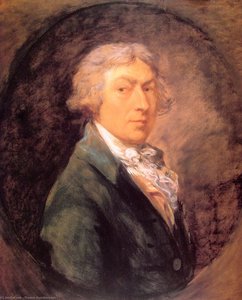
Thomas Gainsborough

Thomas Gainsborough

1727 - 1788 , Spojilováno

Stručné informace

  • Artistic Movement Or Style: Rococo, Portrét
  • Artists Or Movements Influenced By This Artist: ['Constable']
  • Artists Who Influenced This Artist:
    • Gravelot
    • Hogarth
  • Date Of Birth: 1727
  • Date Of Death: 1788
  • Full Name: Thomas Gainsborough
  • Nationality: Britský
  • Notable Artworks:
    • Mr a paní Andrews
    • Modrý chlapec
  • Place Of Birth (City And Country): Sudbury, UK