x

 Akryl na plátněObrazová tvorba na stěnuBaroque Classicism
 1767
1767 76.0 x 64.0 cm
 Gainsborough's House
Giclée nebo plátěný tisk muzeální kvality s rychlou výrobou a flexibilními možnostmi povrchové úpravy. ( Koupit ručně malovaný obraz Koupit obrázek)





























Vyberte si z našich přednastavených velikostí, které odpovídají původním proporcím díla.

Můžete zadat vlastní rozměry tak, aby výtvor odpovídal konkrétnímu rámu nebo prostoru. Pokud zvolená velikost nebude odpovídat poměru stran původního obrazu, dílo buď ořížeme, nebo obraz rozšíříme pomocí zrcadlového efektu či jednobarevného okraje. Před zahájením výroby vám bude zaslán digitální náhled k schválení.
Mějte prosím na paměti, že náhled na obrazovce neodráží skutečné oříznutí nebo rozšíření. Pouze digitální náhled přesně zobrazí finální kompozici.
Ačkoliv jsou k dispozici i vlastní rozměry, pro zachování původních proporcí doporučujeme vybrat si rozměr z předdefinovaného seznamu.
Celosvětové doručení () do 2 týdnů namísto standardních 4/5 týdnů. (18 srpen)


Lady Alston
Rozměry reprodukce
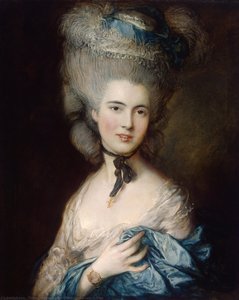
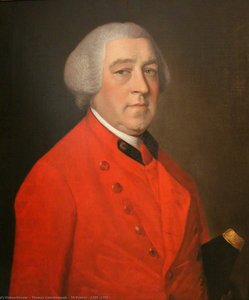
Thomas Gainsborough’s “Lady Alston,” completed in 1767, isn't merely a depiction of a woman; it’s an embodiment of Georgian elegance and a masterful distillation of the artist’s signature style. Hanging proudly at Gainsborough’s House in Suffolk County, this canvas offers more than just visual beauty—it whispers tales of aristocratic life and reflects the burgeoning Romantic sensibility creeping into British art.
The portrait captures Lady Alston, a noblewoman from Lincolnshire, posed gracefully against a subtly textured backdrop reminiscent of the Suffolk landscape that served as Gainsborough’s constant muse. Her gaze is direct yet contemplative, conveying an inner serenity that contrasts beautifully with the delicate lace trim adorning her dress – a detail meticulously rendered to emphasize femininity and refinement. The artist skillfully employs pyramidal composition, anchoring Lady Alston's figure at the apex while utilizing horizontal lines to create a sense of stability and balance.
While Gainsborough firmly established himself as a Neo-Classical painter, “Lady Alston” reveals surprising hints of Impressionism. The artist eschews harsh contrasts of light and shadow characteristic of the period, favoring diffused illumination that softens Lady Alston’s features and imbues the scene with an ethereal glow. Gainsborough's masterful brushwork—loose, blended strokes—creates a velvety surface texture that captures the subtle nuances of color and atmosphere. This technique prioritizes capturing fleeting impressions rather than precise anatomical accuracy, aligning him with the emerging artistic currents of his time.
Painted during the reign of George III, “Lady Alston” reflects the aristocratic tastes of the era—a fascination for idealized beauty and a desire to portray subjects as emblems of virtue. Gainsborough’s portraits were commissioned by wealthy families eager to solidify their social standing and commemorate their lineage. The painting speaks volumes about the importance of familial connections and the role of women within Georgian society, presenting Lady Alston as an exemplar of grace and composure.
Beyond its formal elegance, “Lady Alston” resonates with deeper symbolic meanings. The pale blue dress symbolizes purity and innocence, while the lace trim represents delicacy and refinement – qualities highly valued in Georgian ideals of femininity. More importantly, Gainsborough’s portrayal captures a moment of quiet contemplation, inviting viewers to contemplate inner beauty and emotional depth. It's a painting that transcends mere representation; it evokes feelings of serenity, grace, and timeless elegance—a testament to Gainsborough’s ability to translate visual splendor into profound psychological insight.


1727 - 1788 , Spojilováno

Explore the profound differences between Baroque drama and Rococo elegance. Our expert guide delves into art history, chiaroscuro, and the evolution of European masterpieces for collectors and enthusiasts seeking deep historical context.

Explore the profound elegance of Baroque Classicism. Discover how 17th-century masters synthesized dramatic emotion with classical order through the lens of the Counter-Reformation and the works of legends like Carlo Maratta and Andrea Sacchi.

Explore the dramatic evolution from Mannerist distortion to Baroque grandeur. Discover how light, shadow, and emotion redefined art history through a masterclass in technical mastery and religious fervor.

Explore the dramatic power of Baroque art through an expert guide to light, shadow, and emotion. Discover how the Counter-Reformation shaped 17th-century masterpieces and learn about the profound techniques used by the Old Masters to inspire awe.

Explore the dramatic world of Baroque portraiture. Discover how masters used chiaroscuro and light to evoke profound emotion during the Counter-Reformation. A definitive guide for art enthusiasts seeking to understand the power of 17th-century masterpieces.


Buďte na tahu s nejnovějšími novinkami ze světa umění, exkluzivními nabídkami a inspirativními nápady na dekoraci.
Sdělte nám více o svém projektu a naši odborníci na umění vám připraví 3 personalizované návrhy uměleckých děl.
Nechť pro vás vybereme 3 možnosti – zdarma!


 Náhled
 Sdílet
 Sdílet
 Podrobnosti o díle

 Stáhnout
 Podobné položky
 Rentgenové snímky
 Slideshow
 Zobrazit více







 Skleněná varianta je dostupná pouze u rozměrů menších než 110 cm