x

 Oil On CanvasWallArtNeoclassicism
 121.0 x 97.0 cm
 Council House
Giclée nebo plátěný tisk muzeální kvality s rychlou výrobou a flexibilními možnostmi povrchové úpravy. ( Koupit ručně malovaný obraz Koupit obrázek)





























Vyberte si z našich přednastavených velikostí, které odpovídají původním proporcím díla.

Můžete zadat vlastní rozměry tak, aby výtvor odpovídal konkrétnímu rámu nebo prostoru. Pokud zvolená velikost nebude odpovídat poměru stran původního obrazu, dílo buď ořížeme, nebo obraz rozšíříme pomocí zrcadlového efektu či jednobarevného okraje. Před zahájením výroby vám bude zaslán digitální náhled k schválení.
Mějte prosím na paměti, že náhled na obrazovce neodráží skutečné oříznutí nebo rozšíření. Pouze digitální náhled přesně zobrazí finální kompozici.
Ačkoliv jsou k dispozici i vlastní rozměry, pro zachování původních proporcí doporučujeme vybrat si rozměr z předdefinovaného seznamu.
Celosvětové doručení () do 2 týdnů namísto standardních 4/5 týdnů. (20 srpen)


Lord Clare
Rozměry reprodukce
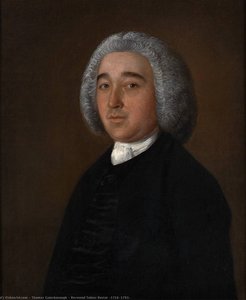
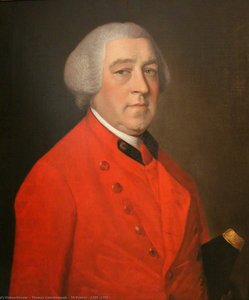
Thomas Gainsborough’s “Lord Clare,” painted in 1759, is more than just a formal portrait; it's a meticulously crafted snapshot of Georgian society and the burgeoning ideals of aristocratic identity. The painting depicts Robert Nugent, 1st Earl of Clare, a prominent figure within the landed gentry, seated against a subtly textured dark background – a choice that immediately draws attention to the subject himself. Gainsborough masterfully employs a restrained palette dominated by rich reds, deep browns, and creamy whites, creating an atmosphere of quiet dignity and understated elegance characteristic of the era. The composition is classically balanced, with Clare occupying the central space, his posture conveying both confidence and a hint of reserved formality – a hallmark of portraiture intended to project status and authority.
Gainsborough’s skill as a painter is immediately evident in the remarkably detailed brushwork. He utilizes short, broken strokes to build up layers of color and texture, particularly noticeable in the folds of Clare's coat and the intricate weave of his wig. The artist’s ability to capture the subtle nuances of light is equally impressive; it’s diffused and soft, casting gentle shadows that define Clare’s features and clothing without harshness. This delicate handling of light contributes significantly to the painting’s overall sense of realism and depth. The use of chiaroscuro – the dramatic contrast between light and dark – subtly emphasizes Clare's face, highlighting his expression and drawing the viewer’s eye directly to his gaze.
“Lord Clare” offers a fascinating glimpse into the world of 18th-century English aristocracy. The elaborate wig, a symbol of wealth and social standing, is meticulously rendered, showcasing the fashionable trends of the time. The documents scattered on the table – likely pertaining to his estate or political affairs – subtly reinforce Clare’s position as a man of influence and responsibility. Research reveals that Robert Nugent was a key figure in Irish politics during this period, holding significant land ownership and navigating complex relationships within the British government. Furthermore, the painting connects to the broader historical context of the de Clare family, tracing back to Norman origins and their enduring presence within English nobility – a lineage reflected in the Earl’s bearing and attire.
Despite its formality, “Lord Clare” possesses an undeniable emotional resonance. Clare's expression is not overtly jovial or demonstrative; rather, it conveys a sense of quiet contemplation and controlled power. He’s a man accustomed to command, yet there’s also a hint of vulnerability beneath the surface. Gainsborough skillfully captures this duality, creating a portrait that invites viewers to contemplate the complexities of aristocratic life – the burdens of responsibility, the weight of tradition, and the subtle nuances of human character. The painting ultimately serves as a powerful reminder of the enduring appeal of portraiture as a means of capturing not just likeness but also essence.
Further Information: For more details on Thomas Gainsborough, Mary Gainsborough (his daughter), Lord Clare, and related historical context, explore these resources:


1727 - 1788 , Spojilováno

Explore the profound beauty of oil on canvas. Discover how impasto textures, masterful brushwork, and light create unparalleled depth in fine art reproductions and custom commissions for discerning collectors.

Explore the profound history and technical brilliance of oil on panel painting. From Renaissance masters to modern techniques, discover why this rigid support offers unparalleled precision and permanence for fine art lovers and collectors.


Buďte na tahu s nejnovějšími novinkami ze světa umění, exkluzivními nabídkami a inspirativními nápady na dekoraci.
Sdělte nám více o svém projektu a naši odborníci na umění vám připraví 3 personalizované návrhy uměleckých děl.
Nechť pro vás vybereme 3 možnosti – zdarma!


 Náhled
 Sdílet
 Sdílet
 Podrobnosti o díle

 Stáhnout
 Podobné položky
 Rentgenové snímky
 Slideshow
 Zobrazit více







 Skleněná varianta je dostupná pouze u rozměrů menších než 110 cm