


x

Ručně malovaná olejná barva na plátně ve vašem zvoleném rozměru i s rámem, vyrobená našimi umělci na zakázku. ( Koupit tisk Koupit obrázek)
Vyberte si z našich přednastavených velikostí, které odpovídají původním proporcím díla.

Můžete zadat vlastní rozměry pro konkrétní rám nebo prostor. Pokud se vámi vybraná velikost neshoduje s proporcemi původního obrazu, dílo buď ořízneme, nebo jej doplníme ručně malovanými prvky. Před zahájením výroby vám bude zaslán digitální náhled ke schválení.
Upozorňujeme, že náhled na obrazovce neodpovídá skutečnému ořezu ani rozšíření. Pouze digitální náhled přesně zobrazí finální kompozici.
Ačkoliv je možné zvolit vlastní velikost, pro zachování původních proporcí doporučujeme vybrat rozměr z předdefinovaného seznamu.
Celosvětová doprava () za 3–4 týdny namísto standardních 5 týdnů. (12 srpen). Bez kompromisů v kvalitě.


Crabbes Historical Dictionary
Rozměry reprodukce

The history of British landscape art is often told through the sweeping, dramatic canvases of the giants who followed him, yet the foundation of this Romantic tradition was laid with exquisite precision by Thomas Hearne. Born in 1744 in the quiet village of Marshfield, Gloucestershire, Hearne’s early life was shaped by a profound sense of loss and movement. The death of his father when Thomas was only five years old forced him and his mother to relocate to Brinkworth, Wiltshire. This early exposure to the changing landscapes of the English countryside, coupled with the looming presence of architectural marvels like Malmesbury Abbey, would later manifest in his work as a deep, scholarly fascination with Gothic structures and the enduring spirit of antiquity.
Hearne’s path to artistic mastery was far from conventional. His initial apprenticeship was not in a studio, but in the kitchen of his uncle, a pastry cook in Covent Garden. However, fate intervened through the simple proximity of a print shop next door. The influence of Miller, an engraver, provided the young man with a gateway into the world of fine art, transforming a culinary apprenticeship into a lifelong devotion to line and light. This early training in the meticulous details of engraving would become the hallmark of his style, allowing him to marry the precision of a draftsman with the atmospheric soul of a painter.
As Hearne’s talent matured, he moved beyond simple topographical recording toward a more nuanced, emotive expression of nature. His technique became legendary among his contemporaries for its delicate balance; he possessed a unique ability to apply a wash of subtle, subdued colours over a clear, unwavering outline rendered in fine brush, pen, or pencil. This method created a sense of luminous clarity that felt both grounded in reality and elevated by a poetic atmosphere. His work did not merely depict a place; it captured the very air and light that inhabited it.
The development of his skill was significantly accelerated through his association with the celebrated engraver William Woollett. Under Woollett’s mentorship, Hearne spent six years refining his ability to translate complex landscapes into print, a period during which Woollett himself came to regard him as the preeminent landscape engraver of the era. This rigorous training in tonal depth and structural integrity prepared Hearne for his later explorations, where he would combine the architectural precision of an antiquarian with the burgeoning sensibilities of the Romantic movement.
Thomas Hearne occupies a vital position in art history as a bridge between the topographical accuracy of the mid-eighteenth century and the emotive landscapes of the nineteenth. His influence was not merely retrospective; it was foundational for the next generation of masters. The techniques he pioneered in watercolor were studied closely by J.M.W. Turner and Thomas Girtin, two artists who would eventually push the boundaries of the medium into even more sublime and tempestuous territories. Hearne provided the structural vocabulary that allowed these later artists to explore the infinite.
His career was marked by significant professional milestones and adventurous travels that expanded his artistic horizons:
Ultimately, the work of Thomas Hearne remains a testament to the power of observation. Whether capturing the weathered stone of a Gothic ruin or the soft light filtering through a woodland canopy, his art invites the viewer into a world of quiet contemplation and historical reverence. He remains an essential figure for anyone seeking to understand the roots of the English landscape tradition.

1744 - 1817 , United Kingdom

Explore the opulent world of Rococo art! Discover Watteau, Boucher & Nattier's masterpieces. Expert insights for collectors seeking museum-quality reproductions and custom portraits at Most-Famous-Paintings.

Prozkoumejte 10 legendárních гравюр od Rembrandta, Dürera a Goyi. Objevte příběhy mistrů, techniky rytiny a umělecké dědictví baroka i renesance. Reprodukce obrazů pro váš interiér na Most-Famous-Paintings.com
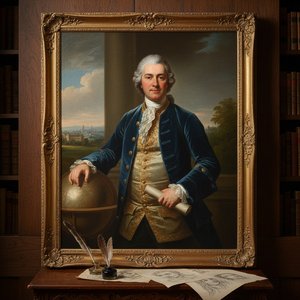
Explore the life & work of Thomas Hudson, a leading 18th-century British portraitist. Discover his mastery of the 'Grand Manner,' influential style, and lasting impact on British art. Learn about his notable portraits like Judge William Noel & Alexander Van Aken.

Explore the world of 18th-century portraiture with Most-Famous-Paintings. Discover symbolism, artistic innovation & societal values reflected in masterpieces by Reynolds, Hogarth & more. Expert insights for collectors.

Explore the rich history & artistic power of black and white photography. From early techniques to iconic masters like Ansel Adams, discover why monochrome continues to captivate art lovers today. Expert insights for collectors.


Buďte na tahu s nejnovějšími novinkami ze světa umění, exkluzivními nabídkami a inspirativními nápady na dekoraci.
Sdělte nám více o svém projektu a naši odborníci na umění vám připraví 3 personalizované návrhy uměleckých děl.
Nechť pro vás vybereme 3 možnosti – zdarma!


 Náhled
 Sdílet
 Sdílet
 Podrobnosti o díle

 Stáhnout
 Podobné položky
 Rentgenové snímky
 Slideshow
 Zobrazit více




































 Skleněná varianta je dostupná pouze u rozměrů menších než 110 cm


