


x

 Oil On CanvasWallArtBaroque
 1558
1558 371.0 x 197.0 cm
 Museo Civico
Koupě vysoce rozlišeného, vylepšeného digitálního obrazu, který je mnohem kvalitnější než online náhled.
Každý soubor je pečlivě připraven našimi odborníky pomocí pokročilých nástrojů a expertní manuální retuše. Zajišťujeme, aby každý obraz disponoval výjimečnou ostrostí, přesnou barevnou věrností a jemnými detaily.
Finální soubor vám bude do 72 hodin zaslán e-mailem, optimalizovaný pro okamžité použití v profesionálním, redakčním i tiskovém prostředí. Nabízíme stejnou kvalitu, které důvěřují špičková designová studia, nakladatelství i galerie.
Stáhněte si soubor ve vysokém rozlišení pro osobní prohlížení, tisk a kreativní projekty. ( Koupit tisk Koupit ručně malovaný obraz)
Když si vyberete Most-Famous-Paintings.com, nezískáváte pouze obrázek – získáváte digitální umělecké dílo s profesionálně vylepšenými detaily, zpracované s precizností a podpořené zárukou za spokojenost. Zde je vše, co vaše objednávka automaticky obsahuje:

Váš digitální obraz ve vysokém rozlišení vám bude zaslán e-mailem do 72 hodin od objednávky – připraven k okamžitému použití.

Vaše umělecké dílo je profesionálně optimalizováno pomocí pokročilých nástrojů umělé inteligence a manuální úpravy, což zajišťuje maximální úroveň detailu, ostrosti a přesnosti barev.

Soubor jste omylem smazali nebo ztratili? Žádný problém – kdykoliv vám ho znovu zašleme zcela zdarma.

Užijte si své umělecké dílo okamžitě bez celních poplatků, daní nebo nákladů na dopravu – digitální stažení je vždy bez daňových povinností.

Pomocí profesionálních nástrojů a správy barev zajišťujeme, aby váš digitální obraz odrážel původní barvy co nejvěrněji.

Pokud nebudete s digitální fotografií spokojeni, provedeme její revizi nebo vám vrátíme 100% během 60 dnů – bez jakýchkoliv dotazů.

Nespokojeni? Získejte plnou částku zpět do 60 dní od přijetí vašeho digitálního souboru – bez jakýchkoliv dotazů.

Koupěte si 3 obrazy, ušetřete 10% - Koupěte si 5, ušetřete 15% - Koupěte si 10+, ušetřete 20%. Ideální pro kreativní projekty, galerie a agentury.
Tiziano Vecellio's "Crucifixion," completed in 1558 and currently residing within the sanctuary of San Domenico in Ancona, Italy, is not merely a depiction of a biblical event; it’s an immersive experience of grief, faith, and profound human suffering. Painted during a pivotal period of his artistic evolution, this monumental oil on canvas transcends simple representation to become a deeply emotive meditation on sacrifice and redemption – a cornerstone of the Venetian Renaissance's exploration of religious themes.
The scene unfolds with arresting immediacy. Christ, suspended upon the stark wooden cross, dominates the composition, yet he is not presented as a triumphant martyr but rather as a figure utterly consumed by agony. The artist’s masterful use of chiaroscuro – the dramatic interplay of light and shadow – intensifies this sense of torment. Deep blues and browns envelop the background, suggesting an oppressive atmosphere mirroring Christ's ordeal, while strategically placed highlights illuminate his body, emphasizing the brutal reality of his wounds and the sheer weight of his suffering. The figures flanking the cross—traditionally identified as Mary and Saint John—are not presented as passive observers but as deeply affected witnesses, their postures conveying a palpable sense of sorrow and reverence.
Titian’s genius lies in his ability to imbue religious subjects with an unprecedented level of naturalism and emotional depth. This painting exemplifies that skill perfectly. The application of oil paint is remarkably loose and expressive, a departure from the smoother, more polished styles prevalent at the time. Notice the visible brushstrokes—they aren't concealed but rather contribute to the texture and dynamism of the scene. The artist employs a vibrant yet restrained palette; deep blues, rich reds, and earthy browns dominate, creating a visual harmony that is both somber and captivating. The use of color isn’t merely decorative; it serves to amplify the emotional impact of the narrative.
Furthermore, Titian's innovative approach to landscape integration is particularly noteworthy. Rather than relegating the background to a simple, static backdrop, he seamlessly weaves in a dramatic, almost surreal, Italianate landscape—a rolling vista of hills and distant clouds. This inclusion elevates the scene beyond a purely theological representation, suggesting a connection between Christ’s suffering and the broader beauty and fragility of the natural world. The landscape isn't just decorative; it serves as a visual metaphor for both the earthly realm and the spiritual one.
"Crucifixion" is deeply rooted in the religious and artistic conventions of its time. As a central image within Christian iconography, the crucifixion represents the ultimate sacrifice made for humanity’s salvation. The inscription “INRI” – Latin for “Jesus of Nazareth, King of the Jews” – serves as a pointed reminder of Christ's public humiliation and rejection by the Roman authorities. The figures surrounding the cross—Mary and John—are not simply witnesses but embody key aspects of Christian faith: Mary represents maternal compassion and unwavering devotion, while John symbolizes theological contemplation and spiritual insight.
Painted during the High Renaissance, this work reflects a shift towards greater emotional intensity and dramatic realism in art. Titian’s exploration of human suffering aligns with the broader cultural trends of the era, which increasingly focused on exploring the complexities of human experience—both the joyous and the tragic. The painting's placement within the San Domenico church underscores its importance as a devotional work intended to inspire contemplation and reverence.
“Crucifixion” remains a profoundly moving artwork centuries after its creation. It’s not simply a historical record but a visceral experience of sorrow, faith, and the enduring power of human compassion. Titian's masterful technique—his innovative use of color, his dynamic brushwork, and his ability to seamlessly integrate landscape into religious narrative—solidifies this painting as a cornerstone of Venetian Renaissance art and a testament to the artist’s unparalleled genius. Reproductions capture only a fraction of the original’s emotional resonance, but offer a window into a world of profound beauty and spiritual depth.

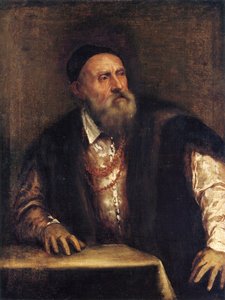
1490 - 1576 , Itálie


Buďte na tahu s nejnovějšími novinkami ze světa umění, exkluzivními nabídkami a inspirativními nápady na dekoraci.
Sdělte nám více o svém projektu a naši odborníci na umění vám připraví 3 personalizované návrhy uměleckých děl.
Nechť pro vás vybereme 3 možnosti – zdarma!


 Náhled
 Sdílet
 Sdílet
 Podrobnosti o díle

 Stáhnout
 Podobné položky
 Rentgenové snímky
 Slideshow
 Zobrazit více


