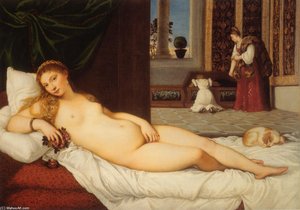
x

Ručně malovaná olejná barva na plátně ve vašem zvoleném rozměru i s rámem, vyrobená našimi umělci na zakázku. ( Koupit tisk Koupit obrázek)





























Vyberte si z našich přednastavených velikostí, které odpovídají původním proporcím díla.

Můžete zadat vlastní rozměry pro konkrétní rám nebo prostor. Pokud se vámi vybraná velikost neshoduje s proporcemi původního obrazu, dílo buď ořízneme, nebo jej doplníme ručně malovanými prvky. Před zahájením výroby vám bude zaslán digitální náhled ke schválení.
Upozorňujeme, že náhled na obrazovce neodpovídá skutečnému ořezu ani rozšíření. Pouze digitální náhled přesně zobrazí finální kompozici.
Ačkoliv je možné zvolit vlastní velikost, pro zachování původních proporcí doporučujeme vybrat rozměr z předdefinovaného seznamu.
Celosvětová doprava () za 3–4 týdny namísto standardních 5 týdnů. (19 srpen). Bez kompromisů v kvalitě.


Ecce Homo 1
Rozměry reprodukce
Titian’s “Ecce Homo,” a stark black and white rendition of this iconic biblical scene, transcends mere historical depiction; it is an embodiment of profound human drama and unsettling revelation. The painting captures the moment Pontius Pilate presents Jesus to the crowd as “Behold the Man!” – a calculated attempt to deflect responsibility for his impending crucifixion. The composition, dominated by shadow and stark contrast, immediately draws the viewer into the oppressive atmosphere of the Roman praetorium, a space charged with political intrigue and simmering religious tension. The deliberate use of monochrome amplifies the emotional weight of the scene, stripping away any potential distraction from the central figures’ expressions and gestures.
Created during the height of the Venetian Republic's power and influence, “Ecce Homo” reflects the complex political landscape of 16th-century Rome. Titian, a court painter to both Charles V and Pope Philip II, was acutely aware of the dynamics between religious authority and secular power. The scene is not simply a recounting of biblical events; it’s a commentary on the manipulation of public opinion and the willingness of those in power to avoid responsibility for injustice. Pilate's gesture – offering Jesus to the crowd – symbolizes his calculated attempt to appease them, highlighting the corruption at the heart of Roman governance.
The figures in “Ecce Homo” are rendered with a remarkable degree of psychological intensity. The man on the left, seemingly holding Jesus' head, embodies the crowd’s rejection of Christ, while the other figure, supporting Jesus’ body, represents perhaps Pilate himself or a reluctant observer caught between two worlds. The inclusion of the chair and the horse adds to the scene’s dramatic tension, suggesting a moment of confrontation and potential violence. The windows, though seemingly insignificant, contribute to the overall sense of confinement and isolation, mirroring Jesus' predicament. The painting evokes feelings of sorrow, injustice, and ultimately, profound human suffering – themes that resonate across centuries.
This hand-painted reproduction captures the essence of Titian’s “Ecce Homo” with exceptional fidelity, allowing you to experience the power and drama of this iconic artwork in your own space. Each detail, from the subtle textures of the clothing to the intense expressions on the figures' faces, is meticulously rendered by skilled artisans. Whether adorning a grand salon or a smaller study, this reproduction offers an unparalleled opportunity to connect with one of the greatest masterpieces of the Renaissance – a testament to Titian’s genius and enduring legacy.

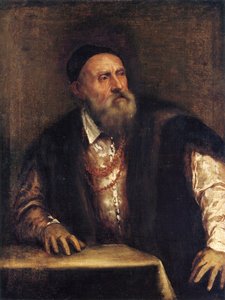
1490 - 1576 , Itálie

Explore the profound history and technical brilliance of oil on panel painting. From Renaissance masters to modern techniques, discover why this rigid support offers unparalleled precision and permanence for fine art lovers and collectors.

Explore the profound artistry of black and white photography. From the chemistry of gelatin silver to the chiaroscuro of the Old Masters, discover how monochrome captures the eternal essence of light, form, and emotion for the discerning art collector.


Buďte na tahu s nejnovějšími novinkami ze světa umění, exkluzivními nabídkami a inspirativními nápady na dekoraci.
Sdělte nám více o svém projektu a naši odborníci na umění vám připraví 3 personalizované návrhy uměleckých děl.
Nechť pro vás vybereme 3 možnosti – zdarma!


 Náhled
 Sdílet
 Sdílet
 Podrobnosti o díle

 Stáhnout
 Podobné položky
 Rentgenové snímky
 Slideshow
 Zobrazit více







 Skleněná varianta je dostupná pouze u rozměrů menších než 110 cm