x

Ručně malovaná olejná barva na plátně ve vašem zvoleném rozměru i s rámem, vyrobená našimi umělci na zakázku. ( Přepnout na tisk Přepnout na obrázek)





























Vyberte si z našich přednastavených velikostí, které odpovídají původním proporcím díla.

Můžete zadat vlastní rozměry pro konkrétní rám nebo prostor. Pokud se vámi vybraná velikost neshoduje s proporcemi původního obrazu, dílo buď ořízneme, nebo jej doplníme ručně malovanými prvky. Před zahájením výroby vám bude zaslán digitální náhled ke schválení.
Upozorňujeme, že náhled na obrazovce neodpovídá skutečnému ořezu ani rozšíření. Pouze digitální náhled přesně zobrazí finální kompozici.
Ačkoliv je možné zvolit vlastní velikost, pro zachování původních proporcí doporučujeme vybrat rozměr z předdefinovaného seznamu.
Celosvětová doprava () za 3–4 týdny namísto standardních 5 týdnů. (7 srpen). Bez kompromisů v kvalitě.


Salome
Rozměry reprodukce
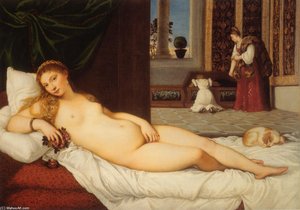
Tiziano Vecellio’s “Salome,” painted in 1515, is more than just a portrait; it's an immersion into the heart of Renaissance Venice – a city pulsating with artistic innovation and a profound fascination with beauty, power, and human emotion. This oil on canvas work, currently residing in the Galleria Doria-Pamphilj in Rome, immediately captivates with its dramatic composition and the palpable sense of melancholy that emanates from the central figure. The painting’s enduring appeal lies not only in Titian's masterful technique but also in its complex narrative – a story whispered through glances, gestures, and the unsettling presence of the decapitated head resting upon Salome’s lap.
To understand “Salome,” one must appreciate the context in which it was created – 16th-century Venice. The city was a crucible of artistic experimentation, fueled by wealth from trade and a fervent patronage system. Titian, as one of the leading artists of his time, benefited immensely from this environment. His work reflects not only his personal genius but also the broader cultural currents of the Renaissance: a renewed interest in classical mythology, a celebration of human beauty, and an exploration of profound psychological themes. The inclusion of the dining table subtly references Venetian aristocratic life, adding another layer to the painting’s narrative.
“Salome” is a profoundly unsettling image, laden with symbolism and emotional weight. The act of decapitation itself is a potent metaphor for violence, betrayal, and the loss of innocence. Salome’s expression – a mixture of sorrow, regret, and perhaps even triumph – invites endless interpretation. The head of John the Baptist, presented as a tangible object, becomes an emblem of power, vulnerability, and ultimately, mortality. The red clothing worn by Salome further intensifies the drama, symbolizing passion, bloodshed, and potentially, divine retribution.
Titian’s “Salome” is not merely a beautiful painting; it's a landmark work that profoundly influenced generations of artists. Its innovative composition, masterful technique, and emotionally charged subject matter established Titian as one of the most important figures in Western art history. The numerous copies made from his workshop underscore the enduring impact of this masterpiece, solidifying its place as a cornerstone of Renaissance art.

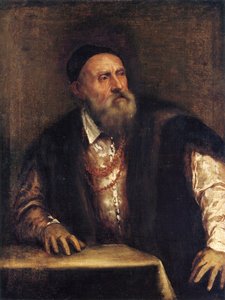
1490 - 1576 , Itálie
Objevte 10 ikonických děl rané renesance – od Botticelliho po Leonarda da Vinci. Ponořte se do příběhů mistrů a jejich techniky. Najděte inspiraci pro váš interiér s reprodukcemi nejvyšší kvality na Most-Famous-Paintings.com
Prozkoumejte 25 ikonických děl Alte Pinakothek v Mnichově! Obrazy Da Vinciho, Rembrandta a Rubense ožívají. Inspirujte se pro váš interiér s reprodukcemi nejvyšší kvality na Most-Famous-Paintings.com.
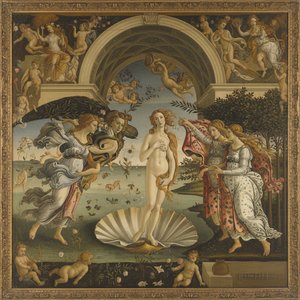
Objevte top 25 mistrovských děl Sandra Botticelliho! Prozkoumejte renesanční umění, ikonické obrazy jako Zrození Venuše a Primavera. Kvalitní reprodukce obrazů pro váš interiér na Most-Famous-Paintings.com

Prozkoumejte 25 ikonických děl z Metropolitního muzea v New Yorku! Objevte příběhy Van Gogha, Moneta a dalších mistrů. Reprodukce obrazů pro váš interiér na Most-Famous-Paintings.com.
Objevte 10 legendárních olejů na plátně od Van Gogha, Moneta a dalších mistrů! Ponořte se do příběhů ikonických děl impresionismu a moderního umění. Reprodukce obrazů pro váš interiér – Most-Famous-Paintings.cz


Buďte na tahu s nejnovějšími novinkami ze světa umění, exkluzivními nabídkami a inspirativními nápady na dekoraci.
Sdělte nám více o svém projektu a naši odborníci na umění vám připraví 3 personalizované návrhy uměleckých děl.
Nechť pro vás vybereme 3 možnosti – zdarma!


 Náhled
 Sdílet
 Sdílet
 Podrobnosti o díle

 Stáhnout
 Podobné položky
 Rentgenové snímky
 Slideshow

 Zobrazit více







 Skleněná varianta je dostupná pouze u rozměrů menších než 110 cm