x

 Oil On CanvasWallArtRenaissance Venetian Style
 1516
1516 75.0 x 67.0 cm
 Kunsthistorisches Museum
Ručně malovaná olejná barva na plátně ve vašem zvoleném rozměru i s rámem, vyrobená našimi umělci na zakázku. ( Koupit tisk Koupit obrázek)





























Vyberte si z našich přednastavených velikostí, které odpovídají původním proporcím díla.

Můžete zadat vlastní rozměry pro konkrétní rám nebo prostor. Pokud se vámi vybraná velikost neshoduje s proporcemi původního obrazu, dílo buď ořízneme, nebo jej doplníme ručně malovanými prvky. Před zahájením výroby vám bude zaslán digitální náhled ke schválení.
Upozorňujeme, že náhled na obrazovce neodpovídá skutečnému ořezu ani rozšíření. Pouze digitální náhled přesně zobrazí finální kompozici.
Ačkoliv je možné zvolit vlastní velikost, pro zachování původních proporcí doporučujeme vybrat rozměr z předdefinovaného seznamu.
Celosvětová doprava () za 3–4 týdny namísto standardních 5 týdnů. (20 srpen). Bez kompromisů v kvalitě.


The Bravo
Rozměry reprodukce
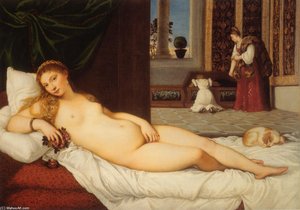
Tiziano Vecellio’s *The Bravo*, painted around 1516-17 and now residing within the hallowed halls of the Kunsthistorisches Museum in Vienna, is more than simply a portrait; it's an invitation into a world of veiled power, subtle gestures, and the captivating ambiguity that defined much of Venetian Renaissance art. The painting immediately draws the eye with its rich tapestry of color – deep reds and blues dominate, creating a sense of opulent drama while simultaneously hinting at hidden depths. It’s a work that whispers rather than shouts, demanding careful observation and rewarding it with layers of interpretation.
At first glance, two men stand poised in armor, their figures rendered with Titian's signature mastery of light and shadow. Each wears a crown, immediately suggesting authority, but the downward gaze of one figure introduces an unsettling tension. This isn’t a straightforward depiction of military prowess or regal splendor; instead, it feels like a carefully constructed tableau designed to provoke thought. The positioning of their bodies – close together yet distinct – suggests a complex relationship, perhaps one of rivalry, alliance, or even veiled hostility. The subtle differences in their attire—one more elaborately adorned than the other—further contribute to this sense of layered meaning.
Titian’s style in *The Bravo* is a quintessential example of his development during the High Renaissance, building upon the foundations laid by his predecessors while forging his own distinctive path. He was a pioneer in oil painting techniques, particularly in achieving luminous color and atmospheric effects. Notice how he uses glazing – applying thin layers of translucent paint over dried underlayers – to build up depth and create an almost velvety texture. This technique is crucial to understanding the vibrancy and richness of the colors, allowing them to shimmer and glow with an inner light.
The painting’s composition reflects a broader trend in Venetian art during the 1510s: a shift towards more intimate portraits featuring two or three figures engaged in close interaction. These works often eschewed grand historical narratives in favor of capturing fleeting moments of human emotion and social dynamics. *The Bravo* exemplifies this shift, prioritizing psychological insight over literal representation. It’s a departure from the idealized depictions prevalent in earlier Northern European portraiture, embracing a more nuanced and subtly expressive approach.
While the precise meaning of *The Bravo* remains open to interpretation, art historians have proposed various readings. The crowns undoubtedly signify power and status, but their placement – one looking forward, the other downward – introduces an element of uncertainty. Some scholars suggest a connection to the political intrigues of Venice at the time, a city renowned for its complex web of alliances and rivalries among powerful families. Others interpret the figures as representing opposing factions within a military organization, locked in a silent struggle for dominance.
The painting’s creation coincided with a period of significant artistic innovation in Venice. Titian was deeply influenced by Giorgione and Palma Vecchio, but he quickly established his own unique style—one characterized by its bold colors, dynamic compositions, and masterful handling of light. *The Bravo* stands as a testament to this evolution, showcasing Titian’s growing confidence and willingness to experiment with new techniques and approaches.
Most-Famous-Paintings offers meticulously crafted hand-painted reproductions of *The Bravo*, allowing art lovers to experience the painting's captivating beauty in their own homes. Our skilled artisans replicate Titian’s masterful brushwork, color palette, and atmospheric effects with exceptional accuracy. Whether you are a seasoned collector or simply seeking to add a touch of Renaissance elegance to your interior design, our reproductions provide an authentic representation of this iconic masterpiece. Each reproduction is created on archival-quality canvas using traditional oil painting techniques, ensuring its longevity and preserving the artwork’s vibrant colors for generations to come. Explore the options available and bring the enigmatic majesty of *The Bravo* into your world.

1490 - 1576 , Itálie

Explore the luminous mastery of the Venetian Renaissance. Discover how masters like Titian and Giorgione revolutionized art through colorito, light, and atmosphere. An expert guide to the golden age of Italian painting for collectors and enthusiasts.

Explore the profound history and technical brilliance of oil on panel painting. From Renaissance masters to modern techniques, discover why this rigid support offers unparalleled precision and permanence for fine art lovers and collectors.


Buďte na tahu s nejnovějšími novinkami ze světa umění, exkluzivními nabídkami a inspirativními nápady na dekoraci.
Sdělte nám více o svém projektu a naši odborníci na umění vám připraví 3 personalizované návrhy uměleckých děl.
Nechť pro vás vybereme 3 možnosti – zdarma!


 Náhled
 Sdílet
 Sdílet
 Podrobnosti o díle

 Stáhnout
 Podobné položky
 Rentgenové snímky
 Slideshow
 Zobrazit více







 Skleněná varianta je dostupná pouze u rozměrů menších než 110 cm