x

Ručně malovaná olejná barva na plátně ve vašem zvoleném rozměru i s rámem, vyrobená našimi umělci na zakázku. ( Koupit tisk Koupit obrázek)





























Vyberte si z našich přednastavených velikostí, které odpovídají původním proporcím díla.

Můžete zadat vlastní rozměry pro konkrétní rám nebo prostor. Pokud se vámi vybraná velikost neshoduje s proporcemi původního obrazu, dílo buď ořízneme, nebo jej doplníme ručně malovanými prvky. Před zahájením výroby vám bude zaslán digitální náhled ke schválení.
Upozorňujeme, že náhled na obrazovce neodpovídá skutečnému ořezu ani rozšíření. Pouze digitální náhled přesně zobrazí finální kompozici.
Ačkoliv je možné zvolit vlastní velikost, pro zachování původních proporcí doporučujeme vybrat rozměr z předdefinovaného seznamu.
Celosvětová doprava () za 3–4 týdny namísto standardních 5 týdnů. (20 srpen). Bez kompromisů v kvalitě.


Self-Portrait
Rozměry reprodukce
Vincent Willem van Gogh’s *Self-Portrait*, completed in 1886 during his stay at Saint Remy Hospital – a refuge established after a debilitating mental breakdown – transcends mere representation; it's an unflinching exploration of the artist’s psychological state. Painted shortly before his tragic demise, this iconic image serves as both a testament to Van Gogh’s artistic prowess and a window into the tormented soul that fueled his extraordinary creativity.
While firmly rooted in Impressionism – evident in the subtle blending of colors and loose brushstrokes characteristic of the period – *Self-Portrait* pushes beyond stylistic conventions to embrace elements of Expressionism. The artist deliberately eschews photographic accuracy, prioritizing emotional intensity over visual realism. Thick impasto technique dominates the canvas, layering paint onto the surface with palpable physicality. This textural approach isn’t merely decorative; it embodies Van Gogh's desire to convey feeling directly – to capture the turbulent currents of his inner life.
Painted amidst a period of profound personal crisis, *Self-Portrait* reflects the pervasive influence of mental illness on Van Gogh’s artistic output. Following an episode of psychosis triggered by medication – ironically intended to stabilize his condition – he voluntarily admitted himself to Saint Remy Hospital in Provence, seeking respite from debilitating hallucinations and delusions. This confinement fostered a sense of isolation and introspection that profoundly shaped his creative vision. The self-portrait emerged as a response to this predicament, confronting the artist with his own vulnerability and grappling with questions of identity and perception.
The gaze of Van Gogh’s eyes is arguably the most compelling element of *Self-Portrait*. They stare directly at the viewer with unwavering intensity, conveying a mixture of sadness, contemplation, and defiance. Scholars have interpreted this piercing stare as representing both an awareness of his own suffering and a refusal to succumb to despair. The dark circles beneath his eyes – a visible manifestation of sleeplessness and mental anguish – underscore the psychological burden he carried. Furthermore, the inclusion of a prominent beard—a symbol of masculinity and introspection—contributes to the portrait’s overall aura of solemn seriousness.
*Self-Portrait* remains a profoundly moving artwork due to its unflinching honesty about human vulnerability. It captures the essence of existential angst – the confrontation with mortality and the awareness of one's own limitations—with remarkable sensitivity. The painting’s subdued palette—dominated by earthy tones—amplifies its emotional resonance, fostering a sense of empathy for Van Gogh’s tormented experience. More than just a depiction of a man’s face; it is an embodiment of artistic courage – a courageous assertion of selfhood in the face of overwhelming adversity. Its enduring power continues to inspire viewers worldwide.


1853 - 1890 , Nizozemsko
Prozkoumejte 25 nejlepších děl Vincenta van Gogha! Obrazy Slunečnic, Hvězdné noci a další mistrovská díla impresionismu. Reprodukce obrazů pro váš domov s Most-Famous-Paintings.cz – inspirace a umění na dosah.
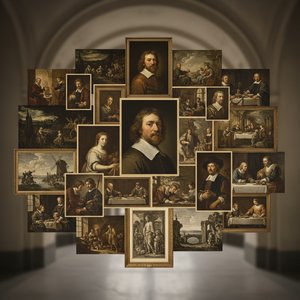
Prozkoumejte 25 nejlepších děl Rembrandta van Rijna – od portrétů po biblické scény. Objevte příběhy, techniky a inspiraci nizozemského baroka. Reprodukce obrazů pro váš interiér na Most-Famous-Paintings.cz.

Discover exquisite Van Gogh reproductions from Most-Famous-Paintings – expert art specialists offering museum-quality prints & custom paintings. Trust our authentic process and elevate your collection today.

Explore the captivating world of graphite drawing! Discover its rich history, master essential techniques like chiaroscuro, and learn how artists evoke emotion through this timeless medium. Expert insights for art enthusiasts.
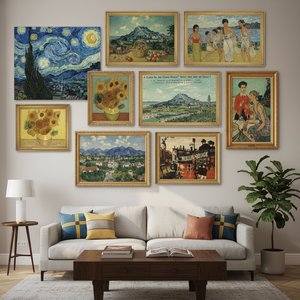
Prozkoumejte 10 ikonických děl postimpresionismu od Van Gogha, Moneta a Cézanna. Objevte příběhy umělců, techniky a inspiraci pro váš interiér s luxusními reprodukcemi obrazů na Most-Famous-Paintings.com.


Buďte na tahu s nejnovějšími novinkami ze světa umění, exkluzivními nabídkami a inspirativními nápady na dekoraci.
Sdělte nám více o svém projektu a naši odborníci na umění vám připraví 3 personalizované návrhy uměleckých děl.
Nechť pro vás vybereme 3 možnosti – zdarma!


 Náhled
 Sdílet
 Sdílet
 Podrobnosti o díle

 Stáhnout
 Podobné položky
 Rentgenové snímky
 Slideshow

 Zobrazit více







 Skleněná varianta je dostupná pouze u rozměrů menších než 110 cm