


x
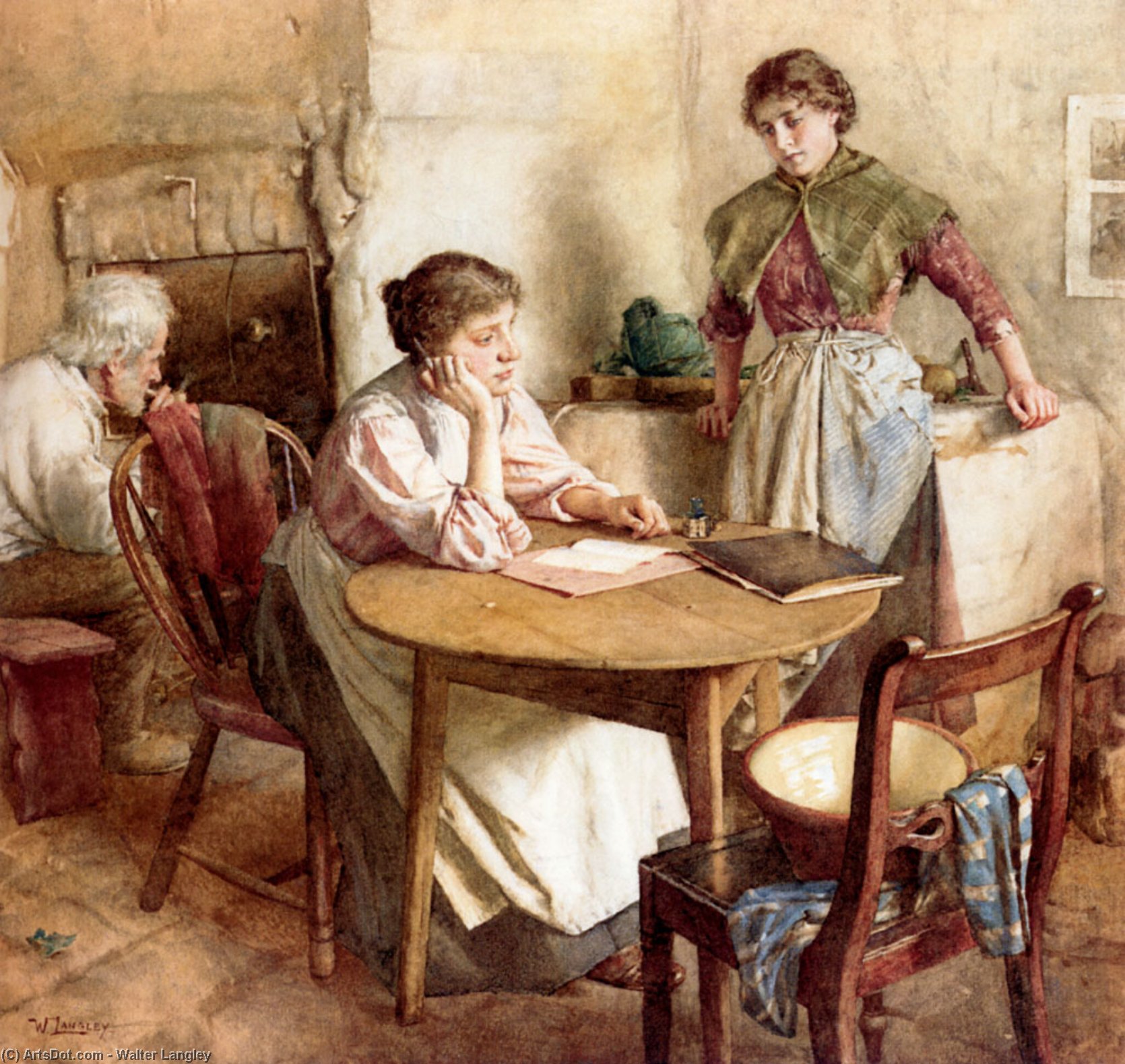
Ručně malovaná olejná barva na plátně ve vašem zvoleném rozměru i s rámem, vyrobená našimi umělci na zakázku. ( Přepnout na tisk Přepnout na obrázek)
Vyberte si z našich přednastavených velikostí, které odpovídají původním proporcím díla.

Můžete zadat vlastní rozměry pro konkrétní rám nebo prostor. Pokud se vámi vybraná velikost neshoduje s proporcemi původního obrazu, dílo buď ořízneme, nebo jej doplníme ručně malovanými prvky. Před zahájením výroby vám bude zaslán digitální náhled ke schválení.
Upozorňujeme, že náhled na obrazovce neodpovídá skutečnému ořezu ani rozšíření. Pouze digitální náhled přesně zobrazí finální kompozici.
Ačkoliv je možné zvolit vlastní velikost, pro zachování původních proporcí doporučujeme vybrat rozměr z předdefinovaného seznamu.
Celosvětová doprava () za 3–4 týdny namísto standardních 5 týdnů. (9 srpen). Bez kompromisů v kvalitě.


Thoughts far away
Rozměry reprodukce
Walter Langley (1852–1922) stands as a pivotal figure within the Newlyn School of plein air painters, representing a significant strand of British art history at the turn of the century. Born in Birmingham, his upbringing instilled in him a deep connection to the working class—a formative influence that would permeate his artistic vision and profoundly shape his depictions of Cornish life. His father was a journeyman tailor, providing Langley with an early understanding of craftsmanship and manual labor, values he carried throughout his life and subsequently translated into his paintings. This foundational respect for the dignity of toil became the heartbeat of his creative output.
At fifteen, Langley embarked on an apprenticeship with a lithographer, honing skills crucial for capturing detail and texture—skills that would prove invaluable in his later watercolor renderings. By twenty-one, he secured a scholarship to South Kensington Art School, where he studied designing alongside fellow artists like Frederic Leighton, absorbing the stylistic conventions of academic art while simultaneously nurturing his burgeoning artistic sensibilities. This dual exposure fostered a distinctive blend of technical proficiency and imaginative exploration, allowing him to bridge the gap between formal training and raw, observational truth.
Langley’s artistic breakthrough arrived in 1881 when he was awarded £500 for a year's work by Mr. Thrupp, a Birmingham photographer—a generous patronage that enabled him to relocate his family to Newlyn, Cornwall. This move cemented Langley’s commitment to documenting the daily lives of Cornish fishermen and their families, establishing him as one of the earliest artists to settle in this burgeoning artistic community. His decision to prioritize painting over photography reflects a dedication to capturing the essence of human experience through visual art rather than photographic reproduction.
As a consummate watercolorist, Langley possessed an unsurpassed ability to capture the human form and the subtle nuances of light within the medium. His work often moved beyond mere landscape, focusing instead on the intimate domesticity and the quiet struggles of the coastal inhabitants. Whether through the muted tones of In The Firelight or the poignant narratives found in The Letter, his brushwork conveyed a profound empathy for his subjects. He was not merely an observer of the Newlyn coast; he was its chronicler, weaving the social fabric of the fishing village into every wash of color.
Politically aligned with socialist ideals—particularly supporting Charles Bradlaugh, a radical politician—Langley’s work consistently championed social realism. He skillfully portrayed the hardships and the quiet resilience of the working class, making his art a vehicle for social observation. This commitment to truth earned him international recognition; notably, the great writer Leo Tolstoy cited Langley's work as an exemplary instance of good, meaningful art. His paintings did not seek to embellish poverty but to honor the humanity within it.
The historical significance of Walter Langley lies in his role as a founder of the artistic community at Newlyn and his ability to elevate the mundane struggles of rural life to the level of high art. His legacy is defined by several key contributions:
Through his dedication to en plein air painting and his unwavering focus on the dignity of labor, Walter Langley ensured that the voices of the Cornish fisherfolk would resonate far beyond the shores of Newlyn, leaving an indelible mark on the landscape of British Realism.

1852 - 1922 , United Kingdom


Buďte na tahu s nejnovějšími novinkami ze světa umění, exkluzivními nabídkami a inspirativními nápady na dekoraci.
Sdělte nám více o svém projektu a naši odborníci na umění vám připraví 3 personalizované návrhy uměleckých děl.
Nechť pro vás vybereme 3 možnosti – zdarma!


 Náhled
 Sdílet
 Sdílet
 Podrobnosti o díle

 Stáhnout
 Podobné položky
 Rentgenové snímky
 Slideshow
 Zobrazit více




































 Skleněná varianta je dostupná pouze u rozměrů menších než 110 cm


