


x

Ručně malovaná olejná barva na plátně ve vašem zvoleném rozměru i s rámem, vyrobená našimi umělci na zakázku. ( Koupit tisk Koupit obrázek)





























Vyberte si z našich přednastavených velikostí, které odpovídají původním proporcím díla.

Můžete zadat vlastní rozměry pro konkrétní rám nebo prostor. Pokud se vámi vybraná velikost neshoduje s proporcemi původního obrazu, dílo buď ořízneme, nebo jej doplníme ručně malovanými prvky. Před zahájením výroby vám bude zaslán digitální náhled ke schválení.
Upozorňujeme, že náhled na obrazovce neodpovídá skutečnému ořezu ani rozšíření. Pouze digitální náhled přesně zobrazí finální kompozici.
Ačkoliv je možné zvolit vlastní velikost, pro zachování původních proporcí doporučujeme vybrat rozměr z předdefinovaného seznamu.
Celosvětová doprava () za 3–4 týdny namísto standardních 5 týdnů. (21 srpen). Bez kompromisů v kvalitě.


Gossips, (painting)
Rozměry reprodukce

William Edward Norton (1843-1916) wasn’t merely a painter; he was an interpreter of the ocean’s moods, a translator of its vastness into meticulously rendered canvases. Born in Boston, his lineage intertwined with the very fabric of maritime life – his family were shipbuilders, and from a young age, Norton spent his days immersed in the sights, sounds, and smells of the harbor. This intimate connection to the sea became the bedrock of his artistic vision, shaping his lifelong pursuit of capturing its essence on canvas. Unlike many artists who sought grand, heroic subjects, Norton focused on the quieter, more contemplative aspects of coastal life – the subtle shifts in light upon the water, the weathered faces of fishermen, and the dignified presence of sailing ships against a dramatic sky.
Norton’s early artistic development was profoundly influenced by George Inness, a prominent American painter known for his atmospheric landscapes and tonalist style. Inness's emphasis on capturing mood and atmosphere rather than precise detail resonated deeply with Norton, guiding him to prioritize the emotional impact of his scenes over photographic realism. He studied at the Lowell Institute in Boston, absorbing Inness’s techniques and developing a distinctive approach characterized by soft gradations of color, diffused light, and a remarkable ability to evoke a sense of depth and tranquility. This influence is particularly evident in works like “Gossips,” a captivating depiction of fishermen mending their nets – the figures are rendered with a gentle softness, blending seamlessly into the hazy coastal background.
Norton’s artistic journey was inextricably linked to his seafaring experiences. He spent several summers on the coast of Maine, a period that proved formative for his artistic development. These voyages weren't merely recreational; they provided him with invaluable firsthand knowledge of coastal landscapes, weather patterns, and the rhythms of maritime life. He sailed on family-owned ships, witnessing firsthand the challenges and rewards of seafaring – experiences he later translated into powerful visual narratives. This direct engagement with the sea instilled in him a deep respect for its power and beauty, as well as an understanding of the lives intertwined with it.
Beyond his personal voyages, Norton’s artistic interests extended to European travel. He spent several years studying in Paris, immersing himself in the vibrant art scene and absorbing the techniques of contemporary masters. This exposure broadened his artistic horizons, introducing him to new approaches to color, composition, and subject matter. His time in Europe allowed him to refine his style and develop a more sophisticated understanding of artistic principles.
William Edward Norton’s legacy extends beyond his individual paintings; he represents a pivotal figure in American marine art, bridging the gap between tonalism and a more direct engagement with the subject matter of coastal scenes. His work continues to resonate with viewers today, offering a poignant reminder of the enduring beauty and power of the sea. His influence can be seen in subsequent generations of seascape artists who sought to capture the emotional essence of coastal landscapes. Norton’s paintings are now housed in prominent collections such as the Museum of Fine Arts, Boston, and the Smithsonian American Art Museum, ensuring that his artistic vision will continue to inspire and captivate audiences for years to come.

1843 - 1916
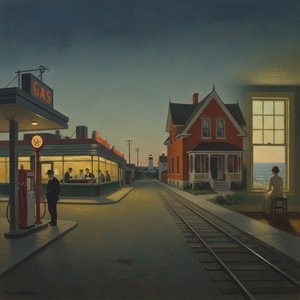
Prozkoumejte top 25 děl Edwarda Hoppera, mistra amerického realismu. Objevte příběhy za ikonickými obrazy plnými samoty a atmosféry. Reprodukce obrazů v nejvyšší kvalitě na Most-Famous-Paintings.com.

Explore the rich history of coastal scenes in painting! Discover Impressionist masterpieces, American realism & contemporary visions. Learn about renowned artists and find your perfect seascape at Most-Famous-Paintings.

Explore the rich history of marine painting with Most-Famous-Paintings. Discover Dutch Masters, Romantic seascapes & renowned artists like Wyllie and Harris. Expert guidance for collectors & custom reproductions.

Objevte svět kvalitních reprodukcí umění – ručně malované obrazy od zkušených umělců. Luxusní dekorace, kurátorské strategie a investice do umění s garancí autenticity. Most-Famous-Paintings.

Objevte umění ruční olejomalby! Průvodce pro galerie a majitele luxusních interiérů. Historie, techniky, restaurování a výběr barev od odborníků. Zachovejte dědictví s Most-Famous-Paintings.


Buďte na tahu s nejnovějšími novinkami ze světa umění, exkluzivními nabídkami a inspirativními nápady na dekoraci.
Sdělte nám více o svém projektu a naši odborníci na umění vám připraví 3 personalizované návrhy uměleckých děl.
Nechť pro vás vybereme 3 možnosti – zdarma!


 Náhled
 Sdílet
 Sdílet
 Podrobnosti o díle

 Stáhnout
 Podobné položky
 Rentgenové snímky
 Slideshow
 Zobrazit více







 Skleněná varianta je dostupná pouze u rozměrů menších než 110 cm


