


x

 Oil On CanvasWallArtRococo
 1735Early Modern
 62.0 x 75.0 cm
Ručně malovaná olejná barva na plátně ve vašem zvoleném rozměru i s rámem, vyrobená našimi umělci na zakázku. ( Koupit tisk Koupit obrázek)





























Vyberte si z našich přednastavených velikostí, které odpovídají původním proporcím díla.

Můžete zadat vlastní rozměry pro konkrétní rám nebo prostor. Pokud se vámi vybraná velikost neshoduje s proporcemi původního obrazu, dílo buď ořízneme, nebo jej doplníme ručně malovanými prvky. Před zahájením výroby vám bude zaslán digitální náhled ke schválení.
Upozorňujeme, že náhled na obrazovce neodpovídá skutečnému ořezu ani rozšíření. Pouze digitální náhled přesně zobrazí finální kompozici.
Ačkoliv je možné zvolit vlastní velikost, pro zachování původních proporcí doporučujeme vybrat rozměr z předdefinovaného seznamu.
Celosvětová doprava () za 3–4 týdny namísto standardních 5 týdnů. (20 srpen). Bez kompromisů v kvalitě.


Marriage
Rozměry reprodukce
In the quiet, flickering light of an eighteenth-century church vestry, William Hogarth captures a scene that transcends mere documentation to become a profound meditation on life’s beginnings. His 1735 masterpiece, often titled Marriage, presents us with an intimate glimpse into the social and religious rituals of Georgian England. While the title may suggest a union of two souls, the canvas breathes with the energy of a different milestone: the presentation of a newborn child. Within this crowded, dynamic composition, we find ourselves amidst the soft rustle of fine fabrics and the hushed tones of a community gathered for a christening or baptism. A clergyman, focused intently on his sacred text, anchors the spiritual gravity of the moment, while a woman reaches out to receive a swaddled infant—a gesture of such tenderness that it pierces through the historical distance to touch the modern viewer.
Hogarth, a master of what he termed modern moral subjects, avoids the purely decorative trappings of the Rococo style to instead offer a meticulously realized window into human character. The painting is a bustling tapestry of social interaction; onlookers lean in with varying degrees of curiosity, devotion, or casual interest, creating a sense of layered narrative that rewards repeated viewing. For the collector or the lover of fine art, this work offers more than just a beautiful image; it provides a complex psychological landscape where every overlapping figure and subtle glance contributes to a larger story of community and continuity.
The technical brilliance of Marriage lies in Hogarth’s ability to transform oil on canvas into a tactile experience. The artist employs rich, layered brushstrokes that lend a palpable weight to the scene, particularly evident in the heavy drapery and the intricate textures of eighteenth-century attire. There is a magnificent sense of depth achieved not through rigid linear perspective, but through the masterful overlapping of bodies and the varying degrees of detail applied to each figure. This technique creates a sense of "organized chaos" that perfectly mirrors the lively atmosphere of a crowded chapel.
Lighting plays a pivotal role in establishing the painting's evocative mood. Rather than harsh, dramatic contrasts, Hogarth utilizes a diffused, warm glow that seems to emanate from within the room itself. This soft illumination avoids stark shadows, instead bathing the figures in a gentle light that emphasizes the organic shapes and flowing lines of the composition. For an interior designer, this quality makes the piece exceptionally versatile; its warm palette and subdued lighting can anchor a room with a sense of historical prestige and quiet elegance, providing a focal point that feels both substantial and inviting.
Beyond its aesthetic splendor, the painting serves as a vital historical document. Hogarth was a pioneer who sought to elevate the depiction of everyday life to the level of high art, moving away from the idealized portraits favored by the aristocracy toward a more honest, observational realism. In this work, we see the seeds of his later, more famous satirical series, yet here, the tone remains one of reverence and communal intimacy. The symbolism is subtle but deeply felt: the clergyman represents the continuity of faith, the swaddled baby embodies the promise of new life, and the surrounding architecture suggests the enduring strength of social institutions.
To possess a reproduction of this work is to invite a piece of British art history into one's personal space. It evokes an emotional response that is simultaneously nostalgic and deeply human. Whether viewed as a study in Georgian social customs or as a breathtaking example of Hogarth’s technical prowess, Marriage remains a captivating testament to the beauty found in life's most sacred transitions. It is an ideal acquisition for those who seek art that speaks of heritage, warmth, and the timeless complexity of the human experience.

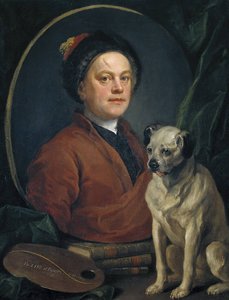
1697 - 1764 , Spojené království

Prozkoumejte 10 ikonických děl umění 18. století – od baroka po rokokó! Obrazy Davida, Gainsborough a dalších mistrů. Repliky obrazů pro váš interiér na Most-Famous-Paintings.com. Inspirujte se a objevte krásu klasicistního stylu online.

Explore the satirical world of William Hogarth, pioneering British painter & engraver. Discover his iconic works like *A Rake's Progress* and insightful social commentary on 18th-century London life.

Prozkoumejte 10 ikonických děl rokokového umění – Fragonard, Boucher a další. Objevte příběhy mistrů, techniky a pastelové barvy tohoto elegantního stylu. Reprodukce obrazů nejvyšší kvality na Most-Famous-Paintings.cz!

Explore the opulent world of Rococo art! Discover its origins, key artists like Watteau & Boucher, and lasting influence on design. Expert insights for collectors & enthusiasts.

Explore the captivating world of Maurice Quentin de La Tour, a master of Rococo portraiture. Discover his innovative pastel techniques, intimate depictions of French aristocracy, and lasting artistic legacy. Learn more at Most-Famous-Paintings.


Buďte na tahu s nejnovějšími novinkami ze světa umění, exkluzivními nabídkami a inspirativními nápady na dekoraci.
Sdělte nám více o svém projektu a naši odborníci na umění vám připraví 3 personalizované návrhy uměleckých děl.
Nechť pro vás vybereme 3 možnosti – zdarma!


 Náhled
 Sdílet
 Sdílet
 Podrobnosti o díle

 Stáhnout
 Podobné položky
 Rentgenové snímky
 Slideshow
 Zobrazit více







 Skleněná varianta je dostupná pouze u rozměrů menších než 110 cm


