


x


Ručně malovaná olejná barva na plátně ve vašem zvoleném rozměru i s rámem, vyrobená našimi umělci na zakázku. ( Switch to Print Switch to Image)





























Vyberte si z našich přednastavených velikostí, které odpovídají původním proporcím díla.

Můžete zadat vlastní rozměry pro konkrétní rám nebo prostor. Pokud se vámi vybraná velikost neshoduje s proporcemi původního obrazu, dílo buď ořízneme, nebo jej doplníme ručně malovanými prvky. Před zahájením výroby vám bude zaslán digitální náhled ke schválení.
Upozorňujeme, že náhled na obrazovce neodpovídá skutečnému ořezu ani rozšíření. Pouze digitální náhled přesně zobrazí finální kompozici.
Ačkoliv je možné zvolit vlastní velikost, pro zachování původních proporcí doporučujeme vybrat rozměr z předdefinovaného seznamu.
Celosvětová doprava () za 3–4 týdny namísto standardních 5 týdnů. (29 červenec). Bez kompromisů v kvalitě.


Plate seven, from A Rake's Progress
Rozměry reprodukce
William Hogarth's "Plate Seven" from his sprawling moral epic, *A Rake’s Progress*, is not merely a painting; it’s a meticulously crafted tableau of despair and the corrosive power of unchecked indulgence. Completed in 1735, this watercolor on paper offers a chilling glimpse into the mind of Tom Rakewell, now utterly consumed by madness after squandering his inheritance on fleeting pleasures. The scene unfolds within Bedlam, London's infamous asylum, a space rendered with unsettling realism and imbued with a palpable sense of confinement – both physical and mental. Hogarth’s genius lies in his ability to transform a single, dramatic moment into a profound commentary on societal decay and the consequences of moral bankruptcy.
The composition is dominated by Tom Rakewell himself, depicted as a gaunt, almost skeletal figure, his eyes wide with terror and confusion. He's surrounded by a chaotic assortment of Bedlam inmates – some weeping, others howling, still others seemingly lost in their own private torment. The figures are rendered with remarkable detail, each expression conveying a unique level of anguish. Notice the stark contrast between Rakewell’s pale complexion and the vibrant, almost lurid colors used to depict the asylum's surroundings; this immediately establishes a symbolic tension – the external world of Bedlam mirroring the internal turmoil within the protagonist.
While often categorized as part of the Rococo style—noted for its ornate details and curving lines—Hogarth’s approach to *A Rake's Progress* transcends simple categorization. He employs elements of Rococo, particularly in the decorative patterns within the asylum walls and the overall sense of theatricality, but grounds them firmly in a distinctly English moralistic sensibility. Crucially, Hogarth’s masterful use of watercolor is what truly elevates this work. The medium allows for incredible subtlety – he captures the textures of clothing, the sheen of sweat on skin, and the flickering light with breathtaking precision.
To fully appreciate “Plate Seven,” it’s essential to understand the social and economic landscape of 18th-century England. The period witnessed a dramatic rise in wealth alongside increasing social inequality, creating a fertile ground for moral corruption. *A Rake's Progress* directly addresses this reality, exposing the excesses and vices of London’s elite through the tragic story of Tom Rakewell. Hogarth wasn’t simply depicting madness; he was indicting a society obsessed with superficial pleasures and devoid of ethical restraint.
The painting reflects the anxieties surrounding social mobility and the perceived decline of traditional values. Bedlam itself represents a societal failure – a place where those deemed ‘mad’ were often abandoned, highlighting the neglect of the vulnerable within a rapidly changing world. The series as a whole served as a powerful visual sermon, warning against the dangers of unchecked ambition and the pursuit of fleeting gratification.
Beyond its narrative content, “Plate Seven” is rich in symbolism. Rakewell’s descent into madness can be interpreted as a metaphor for the loss of reason and judgment when consumed by vice. The asylum walls, with their grotesque decorations, symbolize the prison of the mind – a space where logic and morality are abandoned. Even the lighting contributes to the painting's emotional impact: the dim, flickering light within Bedlam creates an atmosphere of claustrophobia and despair.
Ultimately, “Plate Seven” is a profoundly unsettling yet undeniably captivating work. It’s a testament to Hogarth’s artistic skill and his unwavering commitment to exposing the darker side of human nature. At Most-Famous-Paintings, we are proud to offer meticulously crafted reproductions that allow you to experience the full power and emotional resonance of this iconic masterpiece – a window into a turbulent era and a timeless warning against the perils of excess.

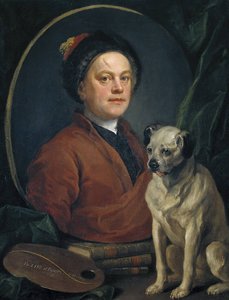
1697 - 1764 , Spojené království

Objevte 10 legendárních akvarelů od Turner, Monet a dalších mistrů! Ponořte se do historie umění a inspirujte se pro váš interiér. Kvalitní reprodukce na Most-Famous-Paintings.com.

Explore the satirical world of William Hogarth, pioneering British painter & engraver. Discover his iconic works like *A Rake's Progress* and insightful social commentary on 18th-century London life.

Explore the captivating world of watercolor painting! Discover its rich history, essential techniques, influential artists & collecting tips. A comprehensive guide for art enthusiasts from Most-Famous-Paintings.

Explore the captivating history of watercolor painting, from ancient techniques to modern masters like Kandinsky & Blake. Discover essential artists, collecting tips & the emotional power of this luminous medium. Expert insights for art enthusiasts.

Explore the captivating world of watercolor painting! Discover its rich history, essential techniques, influential artists & collecting tips from art experts. A comprehensive guide for enthusiasts.


Buďte na tahu s nejnovějšími novinkami ze světa umění, exkluzivními nabídkami a inspirativními nápady na dekoraci.
Sdělte nám více o svém projektu a naši odborníci na umění vám připraví 3 personalizované návrhy uměleckých děl.
Nechť pro vás vybereme 3 možnosti – zdarma!


 Preview
 Sdílet
 Sdílet
 Podrobnosti o díle

 Stáhnout
 Podobné položky
 Rentgenové snímky
 Slideshow

 Zobrazit více







 Skleněná varianta je dostupná pouze u rozměrů menších než 110 cm


