


x

Giclée nebo plátěný tisk muzeální kvality s rychlou výrobou a flexibilními možnostmi povrchové úpravy. ( Koupit ručně malovaný obraz Koupit obrázek)





























Vyberte si z našich přednastavených velikostí, které odpovídají původním proporcím díla.

Můžete zadat vlastní rozměry tak, aby výtvor odpovídal konkrétnímu rámu nebo prostoru. Pokud zvolená velikost nebude odpovídat poměru stran původního obrazu, dílo buď ořížeme, nebo obraz rozšíříme pomocí zrcadlového efektu či jednobarevného okraje. Před zahájením výroby vám bude zaslán digitální náhled k schválení.
Mějte prosím na paměti, že náhled na obrazovce neodráží skutečné oříznutí nebo rozšíření. Pouze digitální náhled přesně zobrazí finální kompozici.
Ačkoliv jsou k dispozici i vlastní rozměry, pro zachování původních proporcí doporučujeme vybrat si rozměr z předdefinovaného seznamu.
Celosvětové doručení () do 2 týdnů namísto standardních 4/5 týdnů. (22 srpen)


The Park
Rozměry reprodukce
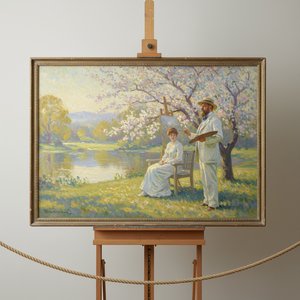
“The Park,” painted by William Merritt Chase in 1887, isn't merely a depiction of a pleasant afternoon; it’s a carefully constructed moment brimming with subtle observations and the vibrant energy characteristic of the burgeoning American Impressionist movement. This oil on canvas, currently residing within the esteemed Art Institute of Chicago, offers a captivating glimpse into a bygone era – a time when capturing fleeting light and atmosphere was considered paramount to artistic expression. Chase, deeply influenced by his European sojourn, masterfully translated the French Impressionists’ techniques while imbuing the scene with distinctly American sensibilities.
The painting immediately draws the eye toward the expansive walkway dominating nearly half of the canvas. This isn't a static element; it actively directs our gaze into the composition, creating a sense of movement and inviting us to become part of the scene. A woman sits thoughtfully on a bench, seemingly awaiting someone’s arrival – her posture suggesting anticipation and quiet observation. The carefully rendered details of her attire, along with the vibrant colors of the flowers bordering the path, hint at a leisurely summer day, while simultaneously conveying a sense of understated elegance.
Chase’s brushwork is remarkably loose and expressive, a hallmark of Impressionist painting. He employed short, broken strokes of color to capture the dappled sunlight filtering through the trees and the shimmering reflections on the walkway. Notice how he avoids precise outlines, instead relying on subtle gradations of tone and hue to create an illusion of depth and atmosphere. The use of complementary colors – such as the blues and oranges – intensifies the vibrancy of the scene and adds a dynamic quality to the composition. This technique wasn’t simply about replicating what was seen; it was about conveying how light *felt* on the subject, imbuing the painting with an emotional resonance.
Furthermore, Chase's decision to focus on capturing a specific moment in time—a fleeting interaction between people and their surroundings—is central to the Impressionist philosophy. He deliberately avoids grand narratives or dramatic events, instead opting for a quiet, intimate portrayal of everyday life. This emphasis on the ephemeral and transient is beautifully exemplified in “The Park,” where the viewer is invited to share in the artist’s appreciation of a simple, yet profound, experience.
“The Park” was painted during a period of significant artistic transformation in America. Following the Civil War, artists were increasingly seeking to break away from traditional academic styles and explore new ways of representing the world around them. The influence of French Impressionism, which had gained considerable popularity in the United States by the late 19th century, played a crucial role in this shift. Chase, along with other American artists like Thomas Moran and Frederic Remington, embraced these innovative techniques and began to depict scenes of American life with unprecedented realism and emotional depth.
The rise of urban centers and the growth of leisure time also contributed to the subject matter of Impressionist paintings. Parks and public spaces became increasingly important venues for social interaction and recreation, providing artists with ample opportunities to capture the dynamism and vitality of modern city life. “The Park” perfectly encapsulates this trend, offering a romanticized vision of a typical American park scene – a place where people could gather, relax, and enjoy the beauty of nature.
Beyond its technical brilliance, "The Park" is rich in symbolic meaning. The woman on the bench represents contemplation and anticipation—a quiet observer immersed in her own thoughts. The empty walkway symbolizes possibility and connection, suggesting that something significant might happen at any moment. The overall mood of the painting is one of tranquility and serenity, inviting the viewer to escape the hustle and bustle of everyday life and find solace in the beauty of nature.
Chase’s masterful use of light and color further enhances the emotional impact of the scene. The warm hues of the afternoon sun create a sense of warmth and optimism, while the cool blues and greens evoke feelings of peace and tranquility. “The Park” is more than just a painting; it's an invitation to slow down, appreciate the simple pleasures of life, and find beauty in the everyday moments that often go unnoticed.


1849 - 1916 , Spojené státy americké
Explore the life & work of William Merritt Chase, a leading American Impressionist painter and influential art educator. Discover his vibrant portraits, landscapes, and lasting legacy with Most-Famous-Paintings.

Prozkoumejte 10 ikonických děl impresionismu od Monet, Renoir a dalších. Objevte příběhy za obrazy plnými světla a barev. Reprodukce nejvyšší kvality pro váš interiér na Most-Famous-Paintings.com

Explore the groundbreaking work of Christopher Williams, a pivotal figure in contemporary art. This analysis delves into his deconstruction of representation, materiality, and institutional critique – essential reading for serious collectors.

Prozkoumejte 25 ikonických děl z Detroit Institute of Arts! Obrazy Van Gogha, Moneta a Rembrandta ožívají. Inspirace pro váš interiér s reprodukcemi nejvyšší kvality na Most-Famous-Paintings.com.

Explore the captivating world of Mary Agnes Yerkes, a resilient American Impressionist painter renowned for her vibrant landscapes of the West & National Parks. Discover her unique style and enduring legacy.


Buďte na tahu s nejnovějšími novinkami ze světa umění, exkluzivními nabídkami a inspirativními nápady na dekoraci.
Sdělte nám více o svém projektu a naši odborníci na umění vám připraví 3 personalizované návrhy uměleckých děl.
Nechť pro vás vybereme 3 možnosti – zdarma!


 Náhled
 Sdílet
 Sdílet
 Podrobnosti o díle

 Stáhnout
 Podobné položky
 Rentgenové snímky
 Slideshow


 Zobrazit více







 Skleněná varianta je dostupná pouze u rozměrů menších než 110 cm


