


x

Ručně malovaná olejná barva na plátně ve vašem zvoleném rozměru i s rámem, vyrobená našimi umělci na zakázku. ( Koupit tisk Koupit obrázek)





























Vyberte si z našich přednastavených velikostí, které odpovídají původním proporcím díla.

Můžete zadat vlastní rozměry pro konkrétní rám nebo prostor. Pokud se vámi vybraná velikost neshoduje s proporcemi původního obrazu, dílo buď ořízneme, nebo jej doplníme ručně malovanými prvky. Před zahájením výroby vám bude zaslán digitální náhled ke schválení.
Upozorňujeme, že náhled na obrazovce neodpovídá skutečnému ořezu ani rozšíření. Pouze digitální náhled přesně zobrazí finální kompozici.
Ačkoliv je možné zvolit vlastní velikost, pro zachování původních proporcí doporučujeme vybrat rozměr z předdefinovaného seznamu.
Celosvětová doprava () za 3–4 týdny namísto standardních 5 týdnů. (21 srpen). Bez kompromisů v kvalitě.


Solitude
Rozměry reprodukce
Winslow Homer's "Solitude," painted in 1889, isn’t merely a depiction of a deer; it’s a profound meditation on the human condition—a quiet exploration of isolation, observation, and the enduring spirit of America. The painting immediately draws the eye to its central subject: a magnificent white-tailed deer standing poised in the shallows of a river, its head raised with an almost contemplative gaze directed just beyond the frame. This subtle off-camera focus isn’t accidental; it invites the viewer into the deer's experience, prompting us to share in its silent scrutiny and fostering a sense of shared solitude.
Homer, born in Boston in 1836, forged an artistic identity distinct from the rigid traditions of European academies. His early career as a commercial illustrator for Harper’s Weekly instilled within him a remarkable ability to capture scenes with startling clarity and detail – skills honed through meticulous observation of everyday American life. This foundation profoundly shaped his approach to painting, initially in watercolor before he mastered oil on canvas. “Solitude” exemplifies this dedication to realism, rendered with a precision born from years spent documenting the nuances of the natural world and its inhabitants.
The backdrop of "Solitude" is quintessential New England—a landscape subtly imbued with both tranquility and a hint of melancholy. Trees, draped in autumnal hues, line the riverbanks, creating a sense of enclosure while simultaneously suggesting an expansive wilderness. Two small boats – one closer to the left, another further back on the right – punctuate the scene, hinting at human presence without disrupting the deer’s solitary state. This careful arrangement establishes a dialogue between the natural world and the occasional intrusion of humanity, reinforcing the painting's central theme of isolation.
Homer’s masterful use of light is particularly noteworthy. The dappled sunlight filtering through the trees casts an ethereal glow upon the water and the deer, imbuing the scene with a sense of quiet beauty. He employs broken brushstrokes to create a shimmering effect on the surface of the river, adding depth and realism to the composition. The color palette—earthy browns, greens, and blues—further enhances the painting’s evocative atmosphere, grounding the subject in its natural environment.
“Solitude” resonates deeply with themes of introspection and resilience – qualities often associated with the American experience. The deer itself has long been a potent symbol in American art and literature, representing wilderness, freedom, and the untamed spirit. Its solitary stance speaks to a yearning for independence and self-reliance, mirroring the pioneering ethos that shaped early America.
Furthermore, the painting can be interpreted as an allegory of the human condition. The deer’s gaze suggests a contemplative awareness of its place in the world—a recognition of both beauty and loneliness. It's a poignant reminder of our own capacity for introspection and the importance of finding solace in solitude. The boats in the background, while present, are secondary, emphasizing the primacy of the animal’s experience and suggesting that true connection often lies within oneself.
Winslow Homer's "Solitude" stands as a testament to his remarkable ability to capture not just the appearance of a scene, but also its underlying emotional resonance. It is a work that invites viewers to pause, reflect, and contemplate their own relationship with nature and the world around them. Reproductions of this iconic painting offer an exceptional opportunity to bring Homer’s profound insights into any interior space, fostering a sense of quiet contemplation and reminding us of the enduring power of observation and resilience – qualities deeply rooted in the American spirit.

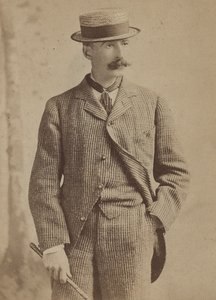
1836 - 1910 , Spojené státy americké

Explore the profound impact of 19th-century Realism. Discover how masters like Gustave Courbet rejected idealism to capture the raw truth of contemporary life through direct observation and social commentary in this expert art history guide.


Buďte na tahu s nejnovějšími novinkami ze světa umění, exkluzivními nabídkami a inspirativními nápady na dekoraci.
Sdělte nám více o svém projektu a naši odborníci na umění vám připraví 3 personalizované návrhy uměleckých děl.
Nechť pro vás vybereme 3 možnosti – zdarma!


 Náhled
 Sdílet
 Sdílet
 Podrobnosti o díle

 Stáhnout
 Podobné položky
 Rentgenové snímky
 Slideshow

 Zobrazit více







 Skleněná varianta je dostupná pouze u rozměrů menších než 110 cm


