x

Ručně malovaná olejná barva na plátně ve vašem zvoleném rozměru i s rámem, vyrobená našimi umělci na zakázku. ( Koupit tisk Koupit obrázek)





























Vyberte si z našich přednastavených velikostí, které odpovídají původním proporcím díla.

Můžete zadat vlastní rozměry pro konkrétní rám nebo prostor. Pokud se vámi vybraná velikost neshoduje s proporcemi původního obrazu, dílo buď ořízneme, nebo jej doplníme ručně malovanými prvky. Před zahájením výroby vám bude zaslán digitální náhled ke schválení.
Upozorňujeme, že náhled na obrazovce neodpovídá skutečnému ořezu ani rozšíření. Pouze digitální náhled přesně zobrazí finální kompozici.
Ačkoliv je možné zvolit vlastní velikost, pro zachování původních proporcí doporučujeme vybrat rozměr z předdefinovaného seznamu.
Celosvětová doprava () za 3–4 týdny namísto standardních 5 týdnů. (16 srpen). Bez kompromisů v kvalitě.


The Backrush
Rozměry reprodukce
Winslow Homer’s “The Backrush,” completed in 1883, isn't merely a depiction of the Atlantic Ocean; it’s an embodiment of American spirit—a testament to perseverance amidst turbulent forces. Unlike many artists of his era preoccupied with grand narratives or idealized landscapes, Homer focused intently on capturing the raw immediacy of everyday life, specifically the relentless energy of coastal storms.
Executed entirely in watercolor, “The Backrush” exemplifies Homer’s unparalleled skill in manipulating this medium. Watercolor allows for subtle gradations of color and luminosity—qualities crucial to conveying the feeling of surging water and shifting light. Homer employed a layering technique, applying washes of pigment over subsequent layers to build up texture and depth. Notice how he captures the foam crests with delicate brushstrokes, creating an illusion of movement that draws the viewer’s eye into the heart of the storm.
Homer’s work emerged during the waning years of Romanticism—a movement characterized by its fascination with emotion and imagination. However, Homer tempered Romantic idealism with a grounding in observation. He meticulously documented scenes from rural America—fishermen battling waves, children playing on rocky shores—reflecting a broader trend toward realism within the artistic landscape. The painting speaks to anxieties about industrialization and urbanization, presenting nature as both formidable adversary and source of solace.
The crashing waves in “The Backrush” serve as potent symbols—representing not just meteorological phenomena but also the difficulties inherent in human existence. Yet, Homer doesn’t portray defeat; instead, he depicts resilience. The fishermen continue their struggle despite the overwhelming force of the storm, embodying a spirit of determination and fortitude. Furthermore, the birds circling overhead symbolize hope—a reminder that even amidst chaos, beauty persists.
"The Backrush" achieves what Romantic artists termed “the sublime”—a feeling of awe mingled with terror. Homer skillfully evokes this emotional response through his masterful use of color and texture. The dominant hues—deep blues and greens—reflect the ocean’s vastness and power, while the textured brushstrokes convey the physicality of the storm. Viewing this painting inspires contemplation on our relationship to nature and confronts us with the inescapable reality that life is often fraught with obstacles. It remains a powerfully evocative image, resonating with viewers across generations.

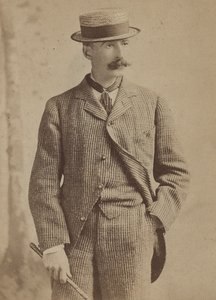
1836 - 1910 , Spojené státy americké

Explore the luminous world of American Impressionism. Discover the history of plein air painting, the mastery of artists like Robert Julian Onderdonk, and the enduring beauty of light-drenched landscapes through this expert art history guide.


Buďte na tahu s nejnovějšími novinkami ze světa umění, exkluzivními nabídkami a inspirativními nápady na dekoraci.
Sdělte nám více o svém projektu a naši odborníci na umění vám připraví 3 personalizované návrhy uměleckých děl.
Nechť pro vás vybereme 3 možnosti – zdarma!


 Náhled
 Sdílet
 Sdílet
 Podrobnosti o díle

 Stáhnout
 Podobné položky
 Rentgenové snímky
 Slideshow
 Zobrazit více







 Skleněná varianta je dostupná pouze u rozměrů menších než 110 cm


![Indian Tobacco Shop Sign [reverse, Indian Facing Right] — Winslow Homer, Contemporary Realism](/media/artworks/images/thumbnails/64/50/64503c03f780433687607891aba35c23.jpg)