


x

Handgemaltes Ölgemälde auf Leinwand in Ihrer Wunschgröße und mit Rahmen, auf Bestellung von unseren Künstlern angefertigt. ( Druck bestellen Bild kaufen)





























Wählen Sie aus unseren vordefinierten Formaten, die den ursprünglichen Proportionen des Kunstwerks entsprechen.

Sie können Ihre eigenen Maße eingeben, um einen bestimmten Rahmen oder Platz auszufüllen. Wenn die gewählte Größe nicht den Proportionen des Originalbildes entspricht, werden wir das Kunstwerk entweder beschneiden oder das Gemälde durch zusätzliche, handgemalte Elemente erweitern. Ein digitales Mockup wird Ihnen zur Genehmigung zugesandt, bevor die Produktion beginnt.
Bitte beachten Sie, dass die Bildschirmvorschau nicht die tatsächliche Beschneidung oder Erweiterung widerspiegelt. Nur das Mockup zeigt die endgültige Komposition exakt an.
Obwohl Sondermaße verfügbar sind, empfehlen wir, eine Größe aus der vordefinierten Liste zu wählen, um die ursprünglichen Proportionen beizubehalten.
Weltweiter Versand () in nur 3 bis 4 Wochen statt der üblichen 5 Wochen. (18 August). Keine Kompromisse bei der Qualität.


Untitled (AQTDFM)
Format der Reproduktion

In the twilight of the nineteenth century, as the rigid structures of academic realism began to dissolve into the ethereal mists of Symbolism, the work of Amédée Masclef emerged as a profound bridge between two worlds. Born on August 9, 1858, in Béthune, Masclef did not merely observe nature; he sought to interpret its divine architecture. His journey was one of unique dualities, shaped by his early theological studies at Amiens Cathedral and his eventual ordination as an abbé in 1885. This spiritual foundation infused his artistic practice with a sense of reverence, transforming the act of botanical illustration from a scientific endeavor into a meditative exploration of the sacred order hidden within the natural world.
Masclef’s artistic development was deeply rooted in the traditions of the Barbizon school, a movement that championed the direct, unadorned observation of nature. From this lineage, he inherited a commitment to authenticity and a profound respect for the en plein air spirit. However, Mascle and his contemporaries were increasingly drawn toward the burgeoning Symbolist movement, which sought to capture subjective experience and emotional resonance. In Masclef’s hands, a simple dandelion or a delicate sprig of chamomile became more than mere specimens; they were vessels of sentiment, imbued with a dreamlike quality that transcended their physical forms.
The pinnacle of Masclef’s contribution to the visual arts lies in his monumental achievement, the Atlas des Plantes de France. Published in 1891 and revised in 1893 in collaboration with Gaston Bonnier, this extraordinary work consists of four hundred meticulously rendered plates. This was not merely a catalog of flora but a triumph of watercolor technique, where precision met poetry. Each plate demonstrates a masterful command of layering and hatching, capturing the delicate textures, translucent petals, and intricate structures of French vegetation with scientific accuracy and an unmistakable artistic soul.
Beyond his famous atlas, Masclef’s oeuvre is characterized by several key achievements that solidified his place in botanical history:
To look upon a Masclef watercolor is to witness the intersection of the analytical mind and the searching soul. His work serves as a vital historical record of the French landscape, yet it remains eternally contemporary through its emotional depth. While he may be overshadowed in popular memory by the more flamboyant figures of the Symbolist movement, his legacy persists in the quiet, enduring beauty of his botanical portraits. He remains a pivotal figure who proved that the most minute details of the natural world—the curve of a leaf or the hue of a petal—could hold the weight of the infinite.

1858 - 1916

Explore the exquisite world of botanical realism. From scientific precision to Impressionist light, discover how master artists capture nature's true essence through timeless, hand-painted oil reproductions and historical insights for the discerning art lover.

Explore the world of giclée prints with Most-Famous-Paintings. Learn about archival quality, aesthetic nuances & investment potential. Expert guidance for discerning art collectors seeking museum-quality reproductions and lasting value.
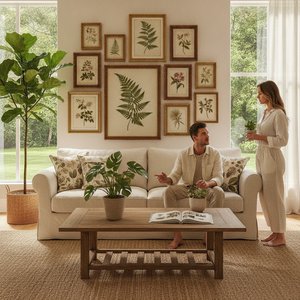
Transform your new home into a serene sanctuary with stunning botanical art from Most-Famous-Paintings.com. From hand-painted oil reproductions to elegant prints, discover nature-inspired decor perfect for newlyweds. Explore bespoke wedding commissions and expert design tips to decorate meaningfully.

Discover the timeless elegance of hand-painted botanical art. From Impressionist florals to Victorian realism, elevate your luxury interiors with museum-quality oil reproductions and bespoke commissions curated by Most-Famous-Paintings's master artists.

Explore the captivating world of vintage art prints! Discover their history, collecting tips & enduring appeal. Expert insights on chromolithography and building a legacy collection with Most-Famous-Paintings.


Bleiben Sie über die neuesten Kunstnachrichten, exklusive Angebote und Dekorationsideen auf dem Laufenden.
Erzählen Sie uns von Ihrem Projekt, und unsere Kunstexperten erstellen für Sie drei personalisierte Kunstvorschläge.
Wir kuratieren 3 Optionen exklusiv für Sie – kostenlos!


 Vorschau anzeigen
 Versenden
 Teilen
 Details anzeigen

 Herunterladen
 Ähnliche Objekte
 Röntgenaufnahme
 Diashow

 Weiterlesen







 Die Glasoption ist nur für Größen unter 110 cm verfügbar.


