x

Handgemaltes Ölgemälde auf Leinwand in Ihrer Wunschgröße und mit Rahmen, auf Bestellung von unseren Künstlern angefertigt. ( Druck bestellen Bild kaufen)





























Wählen Sie aus unseren vordefinierten Formaten, die den ursprünglichen Proportionen des Kunstwerks entsprechen.

Sie können Ihre eigenen Maße eingeben, um einen bestimmten Rahmen oder Platz auszufüllen. Wenn die gewählte Größe nicht den Proportionen des Originalbildes entspricht, werden wir das Kunstwerk entweder beschneiden oder das Gemälde durch zusätzliche, handgemalte Elemente erweitern. Ein digitales Mockup wird Ihnen zur Genehmigung zugesandt, bevor die Produktion beginnt.
Bitte beachten Sie, dass die Bildschirmvorschau nicht die tatsächliche Beschneidung oder Erweiterung widerspiegelt. Nur das Mockup zeigt die endgültige Komposition exakt an.
Obwohl Sondermaße verfügbar sind, empfehlen wir, eine Größe aus der vordefinierten Liste zu wählen, um die ursprünglichen Proportionen beizubehalten.
Weltweiter Versand () in nur 3 bis 4 Wochen statt der üblichen 5 Wochen. (16 August). Keine Kompromisse bei der Qualität.


Satyr
Format der Reproduktion
Benvenuto Cellini’s “Satyr” stands as a captivating testament to the dynamism and sensual allure that defined the Mannerist period in Italian art. Completed around 1545, this bronze sculpture transcends mere representation; it embodies the very spirit of Dionysian revelry and the untamed beauty of the natural world. More than just a depiction of a mythological creature, Cellini’s satyr is an embodiment of potent emotion – a moment frozen in time, brimming with both mischievous energy and a profound, almost melancholic contemplation.
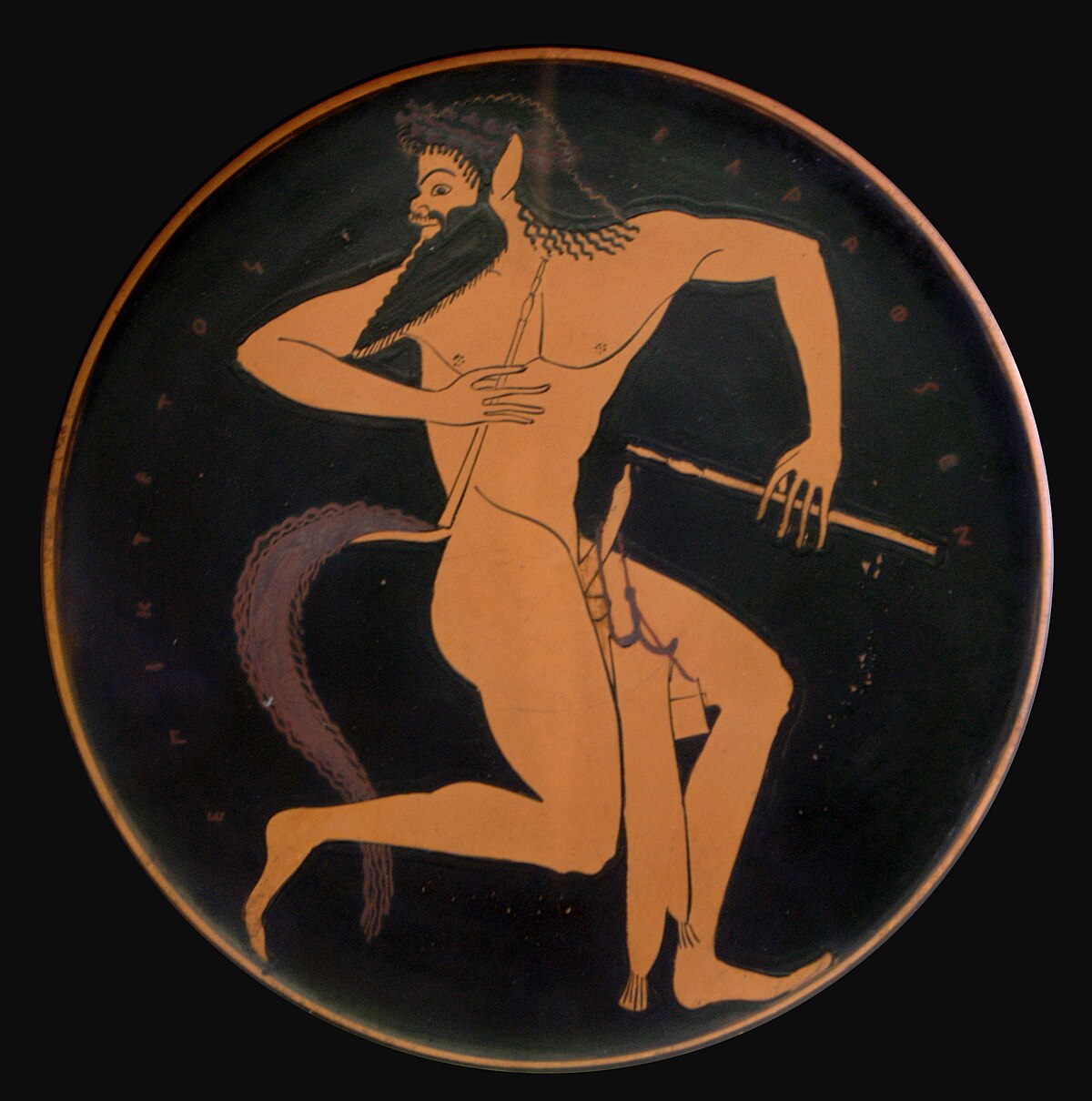
The sculpture itself is a marvel of technical skill and expressive form. Standing nearly four feet tall, the satyr is rendered in a remarkably realistic style, yet imbued with an unmistakable Mannerist flair. His muscular physique, accentuated by the strong lines of his arms and belly, speaks to a primal vitality – a celebration of the body’s inherent power. The details are exquisite: the unruly curls of his hair, the intense gaze of his eyes, the subtle suggestion of a mischievous grin. Notably, the bronze is treated with a rich, aged patina that adds depth and character, hinting at the passage of time and the sculpture's journey through history.
Cellini’s satyr isn’t simply a charming figure from Greek mythology; it’s deeply rooted in the cultural context of the 16th century. Satyrs, companions to the god Dionysus, were traditionally associated with wildness, intoxication, music, and fertility – potent symbols of human desires and impulses. In Renaissance Florence, these themes resonated powerfully, particularly within the circles of artists and intellectuals who sought to reconcile classical ideals with contemporary sensibilities. Cellini’s work reflects this complex interplay, capturing both the exuberance and the underlying melancholy inherent in the satyr's existence.
The sculpture’s creation coincided with Cellini’s time at the court of Francis I of France, a period marked by lavish patronage and an embrace of Mannerist aesthetics. This royal commission further elevated the work, imbuing it with a sense of grandeur and sophistication. The choice of bronze as the medium itself is significant – a material prized for its durability, luster, and ability to capture intricate detail.
Beyond its mythological subject matter, “Satyr” is rich in symbolic meaning. The satyr’s gesture—raised hand, as if reaching out or beckoning—suggests an invitation into a world of pleasure and abandon. The sculpture's composition, with the satyr presented in profile, creates a sense of intimacy and immediacy, drawing the viewer into his gaze. Cellini masterfully employed techniques such as *repoussé* (hammering metal from the reverse side to create relief) and *chasing* (using tools to refine the surface of the metal), demonstrating his exceptional skill as a goldsmith and sculptor.
The sculpture’s hollow back, filled with fragments of burnt clay and wooden pegs, is particularly intriguing. This deliberate inclusion suggests a layering of meaning—a reference to the satyr's connection to the earth and the cyclical nature of life and death. It also hints at Cellini’s own fascination with materials and his desire to create works that were both beautiful and intellectually stimulating.
Benvenuto Cellini’s “Satyr” remains a powerful and evocative work of art, captivating viewers with its blend of mythological narrative, technical brilliance, and emotional depth. It is a window into the Renaissance world—a celebration of human creativity, sensual desire, and the enduring power of myth. Reproductions by Most-Famous-Paintings offer an exceptional opportunity to bring this iconic masterpiece into your home or office, allowing you to appreciate its beauty and complexity for years to come.

Benvenuto Cellini war eine bemerkenswerte Figur der italienischen Renaissance, bekannt für sein Können als Goldschmied, Bildhauer, Zeichner, Soldat, Musiker und Schriftsteller. Seine vielseitigen Talente und seine extravagante Persönlichkeit werden in seinem gefeierten autobiografischen Werk lebendig, das neben seinen künstlerischen Leistungen einen bedeutenden literarischen Wert darstellt. Er verkörpert den Geist des Manierismus, einer Periode nach der Hochrenaissance, die durch dramatische Effekte und stilistische Komplexität gekennzeichnet ist.
Geboren in eine Familie mit musikalischen Neigungen – sein Vater war Musiker und Instrumentenbauer – zeigte Cellini zunächst vielversprechendes Talent für Musik. Mit fünfzehn Jahren widmete er sich jedoch leidenschaftlich einer Karriere als Goldschmied und überzeugte seinen widerwilligen Vater, ihn bei Antonio di Sandro (bekannt als Marcone) auszubilden. Dies markierte den Beginn seiner formellen künstlerischen Ausbildung. Seine frühen Jahre waren nicht ohne Zwischenfälle; mit sechzehn geriet er in eine Schlägerei mit Gefährten, was zu einer Verbannung aus Florenz und einer Zeit der Arbeit in Siena unter dem Goldschmied Fracastoro führte.
Cellinis Stil zeichnet sich durch Dynamik, Realismus und Detailgenauigkeit aus. Er ließ sich von der klassischen Antike und Michelangelos kraftvollen Figuren inspirieren, verlieh seiner Arbeit jedoch eine unverwechselbare manieristische Sensibilität – verlängerte Formen, übertriebene Posen und ein Gefühl für Theatralik.
Cellinis Leben erstreckte sich weit über die Werkstatt hinaus. Er diente als Soldat während Belagerungen und behauptete, eine entscheidende Rolle bei der Verteidigung Roms gegen kaiserliche Truppen gespielt zu haben. Er war auch ein begabter Musiker, spielte Cornett und Flöte am päpstlichen Hof. Doch gerade seine Autobiografie hebt ihn von anderen ab.
Seine Autobiografie ist nicht nur eine Aufzählung von Ereignissen; sie ist ein sorgfältig konstruiertes Selbstporträt, das darauf abzielt, seine Talente zu präsentieren und sein Handeln zu rechtfertigen. Obwohl sie aufgrund von Cellinis eigener Voreingenommenheit manchmal unzuverlässig ist, bleibt sie eine unverzichtbare Primärquelle für das Verständnis des Lebens in der Renaissance.
Benvenuto Cellini starb 1571 in Florenz und hinterließ ein Vermächtnis als einer der wichtigsten Künstler des Manierismus. Seine technische Fertigkeit, künstlerische Innovation und seine fesselnde Autobiografie inspirieren weiterhin Künstler und Kunstliebhaber gleichermaßen. Er repräsentiert das typische Renaissance-Ideal – ein Universalgenie mit Fähigkeiten in mehreren Disziplinen, getrieben von Ehrgeiz und unerschrocken, seine Individualität auszudrücken. Seine Werke werden für ihre Schönheit, Handwerkskunst und dramatische Kraft gefeiert und festigen so seinen Platz als zentrale Figur in der westlichen Kunstgeschichte.

1500 - 1571 , Italien

Discover the enduring elegance of bronze sculpture. Our expert guide explores lost-wax casting, patina mastery, and professional tips for collecting and commissioning museum-quality bronze art to create a lasting legacy in your private collection.
Elevate your collection with our expert guide to bronze sculpture. Discover the mastery of lost-wax casting, the artistry of patination, and professional insights for acquiring timeless metal masterpieces that define sophisticated interiors.

Explore the profound history of gold leaf and gilding in Byzantine and Renaissance art. Discover how this sacred technique transformed religious iconography into celestial phenomena through light, symbolism, and unparalleled craftsmanship.


Bleiben Sie über die neuesten Kunstnachrichten, exklusive Angebote und Dekorationsideen auf dem Laufenden.
Erzählen Sie uns von Ihrem Projekt, und unsere Kunstexperten erstellen für Sie drei personalisierte Kunstvorschläge.
Wir kuratieren 3 Optionen exklusiv für Sie – kostenlos!


 Vorschau anzeigen
 Versenden
 Teilen
 Details anzeigen

 Herunterladen
 Ähnliche Objekte
 Röntgenaufnahme
 Diashow

 Weiterlesen







 Die Glasoption ist nur für Größen unter 110 cm verfügbar.