x

Giclée- oder Leinwanddruck in Museumsqualität mit schneller Produktion und flexiblen Veredelungsoptionen. ( Handgemalte Reproduktion bestellen Bild kaufen)





























Wählen Sie aus unseren vordefinierten Formaten, die den ursprünglichen Proportionen des Kunstwerks entsprechen.

Sie können Ihre eigenen Maße eingeben, um ein bestimmtes Format oder einen speziellen Platz einzupassen. Wenn das von Ihnen gewählte Format nicht den Proportionen des Originalbildes entspricht, werden wir das Kunstwerk entweder beschneiden oder das Bild mit einem gespiegelten oder einfarbigen Rand erweitern. Ein digitaler Entwurf wird Ihnen zur Genehmigung zugesandt, bevor die Produktion beginnt.
Bitte beachten Sie, dass die Vorschau auf dem Bildschirm nicht den tatsächlichen Zuschnitt oder die Erweiterung widerspiegelt. Nur der Entwurf zeigt die endgültige Komposition präzise an.
Obwohl Sondermaße verfügbar sind, empfehlen wir die Auswahl eines Maßes aus der vordefinierten Liste, um die ursprünglichen Proportionen zu bewahren.
Weltweiter Versand () innerhalb von 2 Wochen statt der üblichen 4/5 Wochen. (19 August)


untitled (9315)
Format der Reproduktion
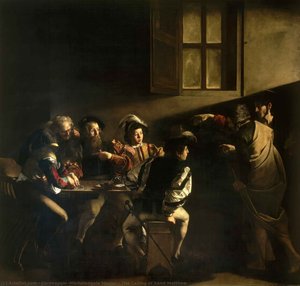
Caravaggio's “Untitled (9315)” is not merely a depiction of a crucifixion; it is an unflinching confrontation with human suffering, faith, and the raw emotions that accompany both. This stark black-and-white image, likely created around 1604-1606 during his Roman period, embodies the artist’s revolutionary approach to religious painting – a departure from idealized representations towards a brutally honest portrayal of reality. The scene unfolds with an almost theatrical intensity, capturing a moment of profound anguish and contemplation within a crowd of onlookers. The figure of Christ, lying prone on the cross, is rendered with a visceral realism that anticipates the dramatic sensibilities of the Baroque era. His extended limbs, contorted in pain, speak volumes about the physical agony endured, while his face, though obscured, suggests a deep sense of resignation and acceptance.
Caravaggio’s genius lies primarily in his masterful manipulation of light and shadow – a technique known as *chiaroscuro*. Here, the stark contrast between intensely illuminated areas and deep, enveloping darkness isn't simply an aesthetic choice; it is a fundamental element of the narrative. The brilliant illumination focuses solely on Christ and a select few figures surrounding him, drawing immediate attention to their plight while simultaneously plunging the rest of the scene into impenetrable shadow. This dramatic effect amplifies the emotional impact, creating a sense of claustrophobia and intensifying the viewer’s empathy for the suffering figure. The use of tenebrism – extreme contrasts between light and dark – was revolutionary at the time, pushing the boundaries of artistic representation and imbuing the work with an almost supernatural quality.
Created during a period of intense religious fervor in Rome, “Untitled (9315)” reflects the Counter-Reformation’s emphasis on emotional engagement with faith. Caravaggio's work was intended to provoke a visceral response in the viewer, urging them to contemplate the sacrifice of Christ and its implications for their own lives. The surrounding figures – men and women of varying ages and social standing – represent the diverse range of humanity witnessing this pivotal event. Their expressions, though ambiguous, suggest a spectrum of emotions: sorrow, contemplation, perhaps even a touch of morbid fascination. The inclusion of onlookers highlights the universality of suffering and the enduring power of faith in the face of adversity.
“Untitled (9315)” transcends its religious subject matter to become a timeless meditation on human vulnerability and resilience. Caravaggio’s unflinching realism, combined with his dramatic use of light and shadow, creates an image that is both profoundly moving and intellectually stimulating. It's a work that demands attention, prompting viewers to confront uncomfortable truths about mortality, faith, and the nature of suffering. This painting represents a cornerstone in the development of Baroque art, influencing generations of artists who followed in Caravaggio’s footsteps. A hand-painted reproduction offers an unparalleled opportunity to experience the full force of this iconic masterpiece within your own space.

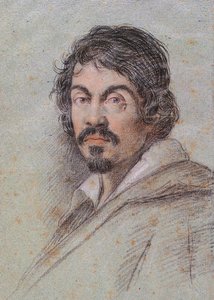
1571 - 1610 , Spanien

Explore the profound artistry of black and white photography. From the chemistry of gelatin silver to the chiaroscuro of the Old Masters, discover how monochrome captures the eternal essence of light, form, and emotion for the discerning art collector.

Explore the dramatic world of Italian Baroque art. Discover how masters like Caravaggio used chiaroscuro and tenebrism to revolutionize painting through light, shadow, and profound realism. A definitive guide for history lovers and art collectors.


Bleiben Sie über die neuesten Kunstnachrichten, exklusive Angebote und Dekorationsideen auf dem Laufenden.
Erzählen Sie uns von Ihrem Projekt, und unsere Kunstexperten erstellen für Sie drei personalisierte Kunstvorschläge.
Wir kuratieren 3 Optionen exklusiv für Sie – kostenlos!


 Vorschau anzeigen
 Versenden
 Teilen
 Details anzeigen

 Herunterladen
 Ähnliche Objekte
 Röntgenaufnahme
 Diashow
 Weiterlesen







 Die Glasoption ist nur für Größen unter 110 cm verfügbar.