


x

 Acrylic On PaperWallArtCubist Expressionism
 Modern
 38.0 x 94.0 cm
Giclée- oder Leinwanddruck in Museumsqualität mit schneller Produktion und flexiblen Veredelungsoptionen. ( Handgemalte Reproduktion bestellen Bild kaufen)





























Wählen Sie aus unseren vordefinierten Formaten, die den ursprünglichen Proportionen des Kunstwerks entsprechen.

Sie können Ihre eigenen Maße eingeben, um ein bestimmtes Format oder einen speziellen Platz einzupassen. Wenn das von Ihnen gewählte Format nicht den Proportionen des Originalbildes entspricht, werden wir das Kunstwerk entweder beschneiden oder das Bild mit einem gespiegelten oder einfarbigen Rand erweitern. Ein digitaler Entwurf wird Ihnen zur Genehmigung zugesandt, bevor die Produktion beginnt.
Bitte beachten Sie, dass die Vorschau auf dem Bildschirm nicht den tatsächlichen Zuschnitt oder die Erweiterung widerspiegelt. Nur der Entwurf zeigt die endgültige Komposition präzise an.
Obwohl Sondermaße verfügbar sind, empfehlen wir die Auswahl eines Maßes aus der vordefinierten Liste, um die ursprünglichen Proportionen zu bewahren.
Weltweiter Versand () innerhalb von 2 Wochen statt der üblichen 4/5 Wochen. (23 August)


Audincourt window
Format der Reproduktion
In the quiet, sacred atmosphere of the Église du Sacré-Cœur at Audincourt, France, a singular masterpiece breathes life into the stillness. Fernand Léger’s Audincourt Window is not merely a piece of liturgical decoration; it is a profound dialogue between the ancient tradition of stained glass and the pulsating energy of the modern age. Completed in 1952, this monumental work serves as a cornerstone of Purism, an artistic movement that sought to strip away the dreamlike distortions of Surrealism in favor of a rigorous, structured aesthetic. Through a mesmerizing interplay of geometric shapes—rectangles, triangles, and circles—Léger orchestrates a visual symphony that captures the very essence of light and form.
The composition is a masterclass in dynamic balance. As light passes through the vibrant panes, it reveals a meticulously arranged verticality that suggests both upward movement and grounded stability. The window’s palette is dominated by a striking tension between warm and bold hues; brilliant yellows and deep reds dance across the glass, symbolizing a dual sense of optimism and passion. This chromatic intensity is anchored by thick, structural lines that provide a rhythmic cadence to the piece, ensuring that even in its abstraction, the work maintains a powerful, almost architectural presence.
Beyond its geometric precision, the Audincourt Window is deeply imbued with spiritual and humanistic symbolism. Léger, ever the observer of the human condition, integrated motifs that bridge the gap between the earthly and the divine. At the heart of the composition lies a series of stylized hearts—a large central figure flanked by smaller companions—which serve as universal emblems of love and spiritual devotion. This tender imagery provides a soft, emotional counterpoint to the otherwise industrial and mathematical precision of the Purist style.
Adding a layer of narrative depth to this sacred glass are two shoes positioned on either side of the central heart. These are not mere objects, but potent symbols of humanity's collective journey toward enlightenment and progress. They represent the physical toil and the metaphorical footsteps of a civilization moving forward through time. For the collector or the designer, this layer of meaning transforms the artwork from a decorative element into a profound meditation on existence, making it an ideal centerpiece for spaces intended to inspire contemplation, growth, and resilience.
The creation of this window was a collaborative triumph of vision and technique. While Léger provided the intellectual and aesthetic blueprint through meticulous gouache and graphite sketches on wove paper, the physical realization was achieved by the master craftsman Jean Barillet. Utilizing traditional stained glass techniques—the precise cutting, fusing, and painting of glass—Barillet translated Léger’s modern vision into a medium that has endured for centuries. This marriage of 20th-century industrial aesthetics with ancient artisanal skill is what gives the piece its timeless appeal.
For those looking to bring the spirit of the machine age into a contemporary interior, a high-quality reproduction of the Audincourt Window offers an unparalleled opportunity. It brings with it the bold outlines and primary colors that prefigured Pop Art, while maintaining the sophisticated elegance required for luxury decor. Whether placed in a sunlit studio or a refined living space, this artwork acts as a window into a world where geometry meets emotion, and where the mechanical beauty of the modern era is sanctified by light.

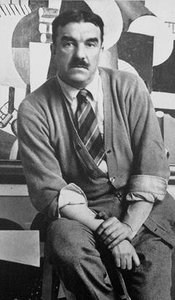
1881 - 1955 , Frankreich

Explore the profound impact of Minimalism and Geometric Abstraction. From Mondrian to Malevich, discover how stripping art to its essential forms revolutionized modern aesthetics through our expert-led historical guide.


Bleiben Sie über die neuesten Kunstnachrichten, exklusive Angebote und Dekorationsideen auf dem Laufenden.
Erzählen Sie uns von Ihrem Projekt, und unsere Kunstexperten erstellen für Sie drei personalisierte Kunstvorschläge.
Wir kuratieren 3 Optionen exklusiv für Sie – kostenlos!


 Vorschau anzeigen
 Versenden
 Teilen
 Details anzeigen

 Herunterladen
 Ähnliche Objekte
 Röntgenaufnahme
 Diashow
 Weiterlesen







 Die Glasoption ist nur für Größen unter 110 cm verfügbar.


