


x

 Oil On CanvasWallArtExpressionism
 1973Modern
 198.0 x 148.0 cm
Handgemaltes Ölgemälde auf Leinwand in Ihrer Wunschgröße und mit Rahmen, auf Bestellung von unseren Künstlern angefertigt. ( Druck bestellen Bild kaufen)





























Wählen Sie aus unseren vordefinierten Formaten, die den ursprünglichen Proportionen des Kunstwerks entsprechen.

Sie können Ihre eigenen Maße eingeben, um einen bestimmten Rahmen oder Platz auszufüllen. Wenn die gewählte Größe nicht den Proportionen des Originalbildes entspricht, werden wir das Kunstwerk entweder beschneiden oder das Gemälde durch zusätzliche, handgemalte Elemente erweitern. Ein digitales Mockup wird Ihnen zur Genehmigung zugesandt, bevor die Produktion beginnt.
Bitte beachten Sie, dass die Bildschirmvorschau nicht die tatsächliche Beschneidung oder Erweiterung widerspiegelt. Nur das Mockup zeigt die endgültige Komposition exakt an.
Obwohl Sondermaße verfügbar sind, empfehlen wir, eine Größe aus der vordefinierten Liste zu wählen, um die ursprünglichen Proportionen beizubehalten.
Weltweiter Versand () in nur 3 bis 4 Wochen statt der üblichen 5 Wochen. (23 August). Keine Kompromisse bei der Qualität.


Self-portrait, private
Format der Reproduktion
To encounter Francis Bacon’s Self-Portrait, painted in 1973, is to step into a profound confrontation with the self. This is not a mere likeness, but a haunting testament to the artist’s lifelong preoccupation with psychological torment and the fragmented nature of identity. Created during a period of intense personal upheaval—marked by the shadows of a difficult divorce and the heavy weight of recurring depression—the painting transcends traditional portraiture. It delves into the very core of human experience, presenting a figure that embodies both extreme vulnerability and a quiet, stubborn defiance. The subject, captured in a moment of deep introspection, sits before a sink with his head resting heavily upon a table, a posture that suggests an exhaustion far deeper than mere physical fatigue.
The atmosphere of the work is one of heavy, quiet reflection, where the boundaries between the internal mind and the external world begin to blur. Through the presence of everyday objects—a clock hanging on the wall, the formal touch of a necktie, and the stark geometry of chairs—Bacon grounds this existential crisis in a tangible, domestic reality. This juxtaposition of the mundane with the deeply unsettling creates a tension that is characteristic of his most powerful works, making it an irresistible piece for collectors who seek art that provative, intellectual, and emotionally resonant.
Bacon’s mastery lies in his rejection of academic perfection in favor of visceral honesty. As a cornerstone of the Expressionist movement, he eschewed meticulous detail to prioritize raw, unadulterated emotion. His technique is a sophisticated dance of textures; he employed a distinctive layering process, applying thin, translucent washes of paint that are suddenly interrupted by thick, aggressive impasto strokes. These heavier applications are strategically placed around the eyes and mouth, creating a pulsating, energetic surface that mimics the flickering instability of human thought. This method allows the canvas to breathe with a palpable physicality, as if the paint itself is struggling to contain the subject's inner turmoil.
The historical context of this piece adds a layer of profound cultural significance. Painted in the wake of the mid-20th century’s global anxieties, the work reflects a broader societal struggle with identity and trauma. Drawing inspiration from the distorted realities of Surrealism and the deep explorations of psychoanalytic theory, Bacon uses the canvas to map the subconscious. For the interior designer or art enthusiast, this painting offers more than just visual interest; it provides a window into the post-war condition, making it a sophisticated centerpiece for any collection focused on modern history and the evolution of human psychology.
Every element within the frame serves a symbolic purpose, contributing to the painting's overwhelming emotional impact. The artist’s gaze is deliberately unsettling, conveying a sense of detachment that forces the viewer into an uncomfortable intimacy with the subject. While the slumped posture may initially suggest despair, there is an underlying resilience in the way the figure occupies the space—a refusal to succumb entirely to the darkness. The prominent, striking eyes act as anchors of awareness, confronting the observer with an unflinching portrayal of inner suffering and the inescapable solitude of existence.
For those looking to integrate a high-quality reproduction into a curated space, this artwork offers a unique opportunity to introduce depth and narrative complexity. It is a piece that demands attention and lingers in the mind long after one has looked away. Whether placed in a quiet study or a bold contemporary gallery, Bacon’s Self-Portrait serves as a powerful reminder of our shared capacity for both fragility and strength, making it an enduring icon of 20th-century art.

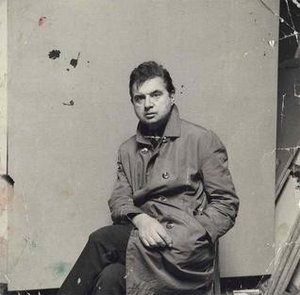
1909 - 1992 , Irland

Explore the fascinating history of self-portraiture from Renaissance masters like Dürer & Rembrandt to modern interpretations. Discover the psychological insights and artistic techniques behind these iconic works. Expert analysis for art enthusiasts.

Explore the captivating world of introspective art! Discover how artists across eras – from Rembrandt to Kahlo – used self-portraiture to reveal their inner worlds and emotional depths. A journey through art history & psychology.

Explore the rich history of self-representation in art, from Renaissance masters to modern innovators. Discover how artists use portraiture to reveal identity, emotion & the depths of the human psyche. Expert insights for collectors.

Entdecken Sie die faszinierende Welt der Selbstinszenierung in der Kunstgeschichte! Analysieren Sie psychologische Motive und künstlerische Techniken von Rembrandt bis zur digitalen Ära. Expertenwissen & tiefe Einblicke.

Entdecken Sie die 25 bedeutendsten Gemälde von Egon Schiele! Tauchen Sie ein in die Welt des Expressionismus, erfahren Sie mehr über seine Technik und emotionale Tiefe. Hochwertige Kunstdrucke & Leinwandbilder auf Most-Famous-Paintings.com.


Bleiben Sie über die neuesten Kunstnachrichten, exklusive Angebote und Dekorationsideen auf dem Laufenden.
Erzählen Sie uns von Ihrem Projekt, und unsere Kunstexperten erstellen für Sie drei personalisierte Kunstvorschläge.
Wir kuratieren 3 Optionen exklusiv für Sie – kostenlos!


 Vorschau anzeigen
 Versenden
 Teilen
 Details anzeigen

 Herunterladen
 Ähnliche Objekte
 Röntgenaufnahme
 Diashow
 Weiterlesen







 Die Glasoption ist nur für Größen unter 110 cm verfügbar.


