


x

 Acryl auf LeinwandWandkunstGerman Expressionism
 1913Frühmittelalterlich
 37.0 x 44.0 cm
Handgemaltes Ölgemälde auf Leinwand in Ihrer Wunschgröße und mit Rahmen, auf Bestellung von unseren Künstlern angefertigt. ( Druck bestellen Bild kaufen)





























Wählen Sie aus unseren vordefinierten Formaten, die den ursprünglichen Proportionen des Kunstwerks entsprechen.

Sie können Ihre eigenen Maße eingeben, um einen bestimmten Rahmen oder Platz auszufüllen. Wenn die gewählte Größe nicht den Proportionen des Originalbildes entspricht, werden wir das Kunstwerk entweder beschneiden oder das Gemälde durch zusätzliche, handgemalte Elemente erweitern. Ein digitales Mockup wird Ihnen zur Genehmigung zugesandt, bevor die Produktion beginnt.
Bitte beachten Sie, dass die Bildschirmvorschau nicht die tatsächliche Beschneidung oder Erweiterung widerspiegelt. Nur das Mockup zeigt die endgültige Komposition exakt an.
Obwohl Sondermaße verfügbar sind, empfehlen wir, eine Größe aus der vordefinierten Liste zu wählen, um die ursprünglichen Proportionen beizubehalten.
Weltweiter Versand () in nur 3 bis 4 Wochen statt der üblichen 5 Wochen. (13 August). Keine Kompromisse bei der Qualität.


Schlafender Hirsch
Format der Reproduktion
Franz Marc's "Sleeping Deer," painted in 1913, is more than just a depiction of an animal at rest; it’s a profound meditation on the interconnectedness between humanity and nature, rendered with the raw intensity characteristic of German Expressionism. This intimate work, measuring 37 x 44 cm, immediately draws the viewer into a world saturated with color and imbued with a palpable sense of tranquility. Marc, born in Munich in 1880, was a pivotal figure in the development of this movement, driven by a deep-seated belief that art could serve as a pathway to spiritual understanding – a conviction powerfully evident in his exploration of animal subjects.
The painting’s genesis lies within Marc's lifelong fascination with the natural world. He wasn’t merely an observer; he sought to capture the *soul* of animals, believing they possessed a purity and innocence untouched by human anxieties. “Sleeping Deer” exemplifies this approach. The deer itself is presented in a state of profound repose, its head nestled comfortably on its paws – a gesture that speaks volumes about vulnerability and acceptance. This isn’t simply a representation of physical rest; it's an embodiment of inner peace, a quietude that invites the viewer to contemplate their own connection to the rhythms of life.
Technically, “Sleeping Deer” is firmly rooted in the principles of Cubism, a revolutionary style pioneered by Picasso and Braque. However, Marc’s interpretation diverges from the purely analytical approach often associated with this movement. Rather than dissecting the deer into geometric fragments, he employs a more expressive use of form, suggesting rather than defining. The landscape behind the animal is rendered in bold, simplified shapes – primarily reds and whites – creating a striking contrast that amplifies the sense of stillness. These colors aren’t merely decorative; they carry symbolic weight, evoking both the warmth of the earth and the purity of snow or moonlight.
The fragmentation isn't intended to dismantle the image but rather to reveal its underlying essence. Marc uses overlapping planes and distorted perspectives to convey a sense of simultaneous viewpoints – as if we are perceiving the deer from multiple angles at once, mirroring the multifaceted nature of experience itself. This technique reflects his desire to move beyond purely representational art and tap into a deeper, more intuitive understanding of reality.
Beyond its formal qualities, “Sleeping Deer” is rich in symbolism. The deer, as a recurring motif in Marc’s work, represents innocence, vulnerability, and the untamed spirit of nature. Its slumbering posture suggests a connection to the earth's cycles – a recognition of life’s inherent rhythms and the importance of rest and renewal. The red and white color scheme further reinforces this symbolism; red often signifies vitality and passion, while white embodies purity and spirituality. The juxtaposition of these colors creates a dynamic tension that mirrors the interplay between earthly desires and spiritual aspirations.
Marc’s work was deeply influenced by his early interest in theology, which he never abandoned entirely. He believed art could be a form of prayer, a way to communicate with something beyond the material world. “Sleeping Deer,” therefore, can be interpreted as an attempt to capture and convey this spiritual essence – a silent invocation of the divine presence within nature.
Reproductions of Franz Marc’s "Sleeping Deer" offer a unique opportunity to bring this evocative artwork into your home or office. Most-Famous-Paintings's hand-painted reproductions faithfully recreate the original’s vibrant colors, textured brushstrokes, and emotional depth. Whether you are an art enthusiast, a collector seeking to expand your collection, or an interior designer searching for a piece that embodies tranquility and spiritual resonance, this painting is sure to captivate and inspire. Its timeless beauty and profound symbolism make it a treasured addition to any space – a reminder of the enduring power of nature and the human spirit.

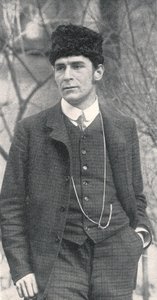
1880 - 1916 , Deutschland

Explore the visceral power of German Expressionism. From Ernst Ludwig Kirchner to Die Brücke, discover how bold colors and distorted forms unmask raw human emotion in this expert art history guide for collectors and enthusiasts.

Explore the revolutionary world of Cubism. Discover how masters Pablo Picasso and Georges Braque dismantled reality through geometric abstraction to redefine modern art history.


Bleiben Sie über die neuesten Kunstnachrichten, exklusive Angebote und Dekorationsideen auf dem Laufenden.
Erzählen Sie uns von Ihrem Projekt, und unsere Kunstexperten erstellen für Sie drei personalisierte Kunstvorschläge.
Wir kuratieren 3 Optionen exklusiv für Sie – kostenlos!


 Vorschau anzeigen
 Versenden
 Teilen
 Details anzeigen

 Herunterladen
 Ähnliche Objekte
 Röntgenaufnahme
 Diashow
 Weiterlesen







 Die Glasoption ist nur für Größen unter 110 cm verfügbar.


