


x

 Acrylic On CanvasWallArtCubist Analytical
 1913Modern
 62.0 x 46.0 cm
Handgemaltes Ölgemälde auf Leinwand in Ihrer Wunschgröße und mit Rahmen, auf Bestellung von unseren Künstlern angefertigt. ( Druck bestellen Bild kaufen)





























Wählen Sie aus unseren vordefinierten Formaten, die den ursprünglichen Proportionen des Kunstwerks entsprechen.

Sie können Ihre eigenen Maße eingeben, um einen bestimmten Rahmen oder Platz auszufüllen. Wenn die gewählte Größe nicht den Proportionen des Originalbildes entspricht, werden wir das Kunstwerk entweder beschneiden oder das Gemälde durch zusätzliche, handgemalte Elemente erweitern. Ein digitales Mockup wird Ihnen zur Genehmigung zugesandt, bevor die Produktion beginnt.
Bitte beachten Sie, dass die Bildschirmvorschau nicht die tatsächliche Beschneidung oder Erweiterung widerspiegelt. Nur das Mockup zeigt die endgültige Komposition exakt an.
Obwohl Sondermaße verfügbar sind, empfehlen wir, eine Größe aus der vordefinierten Liste zu wählen, um die ursprünglichen Proportionen beizubehalten.
Weltweiter Versand () in nur 3 bis 4 Wochen statt der üblichen 5 Wochen. (18 August). Keine Kompromisse bei der Qualität.


Aria de Bach
Format der Reproduktion
This evocative black and white drawing, titled “Aria de Bach,” offers a poignant glimpse into the artistic explorations of Georges Braque during 1913. Measuring 62 x 46 cm, this seemingly simple composition—a guitar encircled by instruments of musical mastery—holds within it the complex tensions and groundbreaking innovations that defined Braque’s pivotal role in the birth of Cubism. The image isn't merely a depiction of musical instruments; it’s a carefully constructed fragment, an attempt to capture not just their appearance but also the *essence* of music itself – its structure, its emotion, its very spirit.
Created in 1913, “Aria de Bach” sits squarely within the burgeoning movement of Cubism, a style pioneered by Braque and Pablo Picasso. At this time, traditional representational art was undergoing a radical transformation. Artists like Braque were rejecting single viewpoints and instead sought to depict objects from multiple perspectives simultaneously. This is evident in the fragmented forms of the instruments, presented as if seen through various angles at once – a technique central to Cubism’s challenge to conventional perception. The drawing's stark black and white palette further emphasizes this fractured reality, stripping away any illusion of depth or traditional perspective.
The choice of musical instruments is profoundly symbolic. Braque was deeply interested in the underlying structures of music, believing that its formal elements – rhythm, harmony, and structure – could be translated into visual form. The guitar, a cornerstone of Western music, represents this connection directly. However, the deconstructed presentation of the instrument—its fragmented outlines and multiple viewpoints—reflects Braque’s core Cubist strategy: to dismantle traditional forms and rebuild them according to his own conceptual understanding. This isn't simply a drawing of instruments; it’s an *interpretation* of music through the lens of Cubism.
Born in Argenteuil, France, in 1882, Georges Braque’s early life was shaped by his family's profession as house painters and decorators. This experience instilled a deep understanding of form, color, and material – skills that would later inform his revolutionary approach to painting. “Aria de Bach” exemplifies this fusion of technical skill with artistic vision. It represents a crucial moment in Braque’s development, solidifying his position as one of the most important figures in early 20th-century art. This drawing is not just a beautiful object; it's a tangible link to a pivotal period in art history – a testament to Braque’s daring experimentation and enduring legacy.

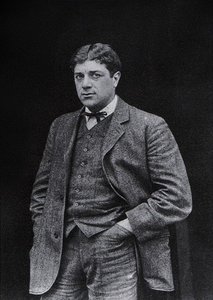
1882 - 1963 , Frankreich

Explore the profound artistry of black and white photography. From the chemistry of gelatin silver to the chiaroscuro of the Old Masters, discover how monochrome captures the eternal essence of light, form, and emotion for the discerning art collector.

Explore the profound history and technical mastery of woodcut relief printing. From ancient origins to German Expressionism, discover how artists use the subtractive process to create iconic works. A definitive guide for art students, collectors, and historians.


Bleiben Sie über die neuesten Kunstnachrichten, exklusive Angebote und Dekorationsideen auf dem Laufenden.
Erzählen Sie uns von Ihrem Projekt, und unsere Kunstexperten erstellen für Sie drei personalisierte Kunstvorschläge.
Wir kuratieren 3 Optionen exklusiv für Sie – kostenlos!


 Vorschau anzeigen
 Versenden
 Teilen
 Details anzeigen

 Herunterladen
 Ähnliche Objekte
 Röntgenaufnahme
 Diashow
 Weiterlesen







 Die Glasoption ist nur für Größen unter 110 cm verfügbar.


