
Verkaufen Sie Ihre Kunst
Wunschliste Warenkorb Cart
Vorschau anzeigenVorschau anzeigen In AR erlebenIn AR erleben Druck bestellen Druck bestellenBild kaufen Bild kaufen VersendenVersenden
Details anzeigenDetails anzeigen Zu Favoriten hinzufügen Zu Favoriten hinzufügen HerunterladenHerunterladen Ähnliche ObjekteÄhnliche Objekte RöntgenaufnahmeRöntgenaufnahme DiashowDiashow

Canephorae 1

Georges Braque’s ‘Canephorae 1’ presents a serene scene of a woman with a child, accented by fruit and a warm yellow background, capturing the essence of early Cubism's exploration of form and space. Discover this iconic artwork and bring its timeless beauty into your home.

Erkunden Sie das Leben und Werk von Georges Braque (1882-1963), eine Schlüsselgestalt der Malerei des 20. Jahrhunderts. Pionier des Kubismus an der Seite Picassos, bekannt für Fauvismus, Collagen und innovative geometrische Formen. Entdecken Sie sein Erbe bei Most-Famous-Paintings!

Handgefertigte Ölreproduktion

Handgemaltes Ölgemälde auf Leinwand in Ihrer Wunschgröße und mit Rahmen, auf Bestellung von unseren Künstlern angefertigt. (Druck bestellen Druck bestellenBild kaufen Bild kaufen)

P118B $10
P118H $10
P118W $10
P438Z $10
P508JH $12
P508YH $12
P805H $10
P805Z $10
P919BZ $10
P919G $10
P919XJ $10
P959ZH $10
P968JZ $12
W106C $8
W218G $10
W218JH $8
W218Y $10
W307PJ $10
W316G $10
W316PJ $8
W316Y $10
W398PJ $8
W4111J $10
W500HY $15
W500JH $15
W692G $12
W849H $8
W940BG $15
W953PJ $8

Standard
custom
CM
INCH

Wählen Sie aus unseren vordefinierten Formaten, die den ursprünglichen Proportionen des Kunstwerks entsprechen.

Breite
Höhe

Sie können Ihre eigenen Maße eingeben, um einen bestimmten Rahmen oder Platz auszufüllen. Wenn die gewählte Größe nicht den Proportionen des Originalbildes entspricht, werden wir das Kunstwerk entweder beschneiden oder das Gemälde durch zusätzliche, handgemalte Elemente erweitern. Ein digitales Mockup wird Ihnen zur Genehmigung zugesandt, bevor die Produktion beginnt.
Bitte beachten Sie, dass die Bildschirmvorschau nicht die tatsächliche Beschneidung oder Erweiterung widerspiegelt. Nur das Mockup zeigt die endgültige Komposition exakt an.
Obwohl Sondermaße verfügbar sind, empfehlen wir, eine Größe aus der vordefinierten Liste zu wählen, um die ursprünglichen Proportionen beizubehalten.

Beispiele für Anpassungsmöglichkeiten: Gesicht durch Kundenfoto ersetzen; Haustier hinzufügen (z. B. Katze durch Hund ersetzen); eine versteckte Nachricht im Hintergrund einfügen; Hintergrundlandschaft oder -elemente ändern.
Nach der Bestellung wird das Most-Famous-Paintings.com-Team dem Kunden Anweisungen per E-Mail zusenden und eine Mockup-Vorschau bereitstellen.

Weltweiter Versand () in nur 3 bis 4 Wochen statt der üblichen 5 Wochen. (20 August). Keine Kompromisse bei der Qualität.

why_choose_icon
Kostenloser weltweiter Expressversand
why_choose_icon
Hochwertige Leinenleinwand
why_choose_icon
Umfassender Versicherungsschutz beim Versand
why_choose_icon
Zollgebühren-Rückerstattungsgarantie
why_choose_icon
Garantie für exakte Farbtreue
why_choose_icon
60 Tage Rückgaberecht (nur bei Mängeln)
why_choose_icon
100% Geld-zurück-Garantie
why_choose_icon
Mengenrabatt verfügbar

Gesamtpreis

$ 272

reproduction

Canephorae 1

Art der Reproduktion

Format der Reproduktion

-

Gesamtpreis

$ 272

Eckdaten

  • Artist: Georges Braque
  • Subject or theme: Woman & Child
  • Artistic style: Analytical Cubism
  • Medium: Painting
  • Notable elements: Fruits, necklace
  • Influences: Form & Structure

Beschreibung des Kunstwerks

Georges Braque’s ‘Canephorae 1’: A Study in Still Life and Modernist Disquiet

Georges Braque's “Canephorae 1,” painted circa 1910, offers a compelling glimpse into the nascent world of Cubism, a movement that would irrevocably alter the course of Western art. This seemingly simple depiction – a woman seated with a child and fruit – is far more than a mere domestic scene; it’s a meticulously constructed exploration of form, space, and perception, reflecting Braque's pivotal role in dismantling traditional artistic conventions.

  • Subject Matter: The painting centers on a female figure, likely a representation of the artist’s partner Fernande Olivier, cradling a child. The inclusion of everyday objects – apples, a banana, and a necklace – elevates the scene beyond a straightforward portrait, transforming it into a study of still life with profound implications.
  • Color Palette: Braque employs a restrained yet evocative color palette dominated by warm yellows and muted tones. This deliberate choice contributes to the painting’s overall atmosphere of quiet contemplation and adds to the sense of intimacy within the composition.

Cubist Techniques and Deconstructed Form

“Canephorae 1” is a prime example of Braque's early explorations within Cubism, a style he co-developed with Pablo Picasso. The artist’s technique involves fracturing the subject into multiple geometric planes, presenting various viewpoints simultaneously. Notice how the woman’s figure isn’t rendered in a single, unified perspective; instead, she is broken down and reassembled from different angles, creating a sense of dynamism and challenging the viewer's traditional understanding of depth and space. The flattened picture plane, characteristic of Cubism, forces us to actively engage with the artwork, reconstructing the image within our own minds.

  • Geometric Fragmentation: Braque meticulously dissects the forms of the woman, chair, and fruit into angular shapes – cubes, cones, and cylinders. This fragmentation is not arbitrary; it’s a deliberate attempt to represent three-dimensional objects on a two-dimensional surface.
  • Multiple Perspectives: The simultaneous presentation of multiple viewpoints creates a sense of disorientation and invites the viewer to consider the subject from various angles, mirroring the complexities of modern experience.

Symbolism and Emotional Resonance

Beyond its formal innovations, “Canephorae 1” resonates with subtle symbolic meanings. The presence of fruit – particularly apples, often associated with knowledge and temptation – adds a layer of complexity to the scene. The child represents innocence and vulnerability, while the woman’s pose suggests both nurturing and contemplation. Braque's deliberate use of these elements invites interpretation and encourages viewers to engage with the painting on an emotional level.

  • The Child: Often interpreted as a symbol of hope and future generations, the child adds a poignant element to the composition.
  • The Fruit: The inclusion of fruit may allude to themes of fertility, abundance, or even mortality – common motifs in art history.

A Master Reproduction for Your Collection

Most-Famous-Paintings offers meticulously crafted hand-painted reproductions of “Canephorae 1,” ensuring that you experience the full impact of Braque’s revolutionary vision. Each reproduction is created by skilled artisans, faithfully capturing the nuances of color, texture, and form, allowing you to bring this seminal work of modern art into your home or office. This artwork is a testament to Braque's genius and a captivating addition to any discerning collection.

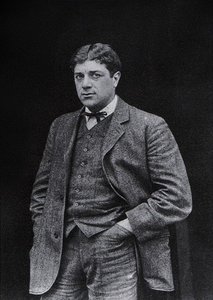
Über den Künstler

**frühes Leben und Ausbildung**

Georges Braque, ein prominenter französischer Maler, Kollagist, Bleistrichzeichner, Grafiker und Bildhauer, wurde am 13. Mai 1882 in Argenteuil, Val-d'oise, geboren. Er wuchs in Le Havre auf und erhielt zunächst eine Ausbildung als Hausmaler und Dekorateur wie sein Vater und Großvater. Braques künstlerische Neigungen führten ihn jedoch dazu, von 1897 bis 1899 an der École des Beaux-Arts in Le Havre Malerei zu studieren.

**Künstlerische Entwicklung und Fauvisme**

Im Jahr 1902, nachdem er seine Lehre bei einem Dekorateur in Paris abgeschlossen hatte, besuchte Braque bis 1904 die Académie Humbert. Dieser Zeitraum markierte seine Einführung ins Fauvismus, einen Stil, der durch lebendige Farben und emotionale Reaktionen gekennzeichnet ist. Beeinflusst von den Werken von Henri Matisse und André Derain, übernahm Braque einen fauvistischen Ansatz, wie in seinem Gemälde The Patience (Fauvismus, Öl auf Leinwand).

**Beitrag zum Kubismus**

Braques Zusammenarbeit mit Pablo Picasso von 1908 bis 1912 führte zur Entwicklung des Kubismus. Ihre analytischen kubistischen Werke, wie z.B. Georges Braque: The Patience und Pablo Picasso: Clarinet(analytischer Kubismus, Öl auf Leinwand), gelten heute als Meilensteine der Kunstgeschichte.

**Erbe und bemerkenswerte Werke**

* Houses at L'Estaques: Ein Zeugnis für Braques innovatives Einsatz von Geometrie und simultaner Perspektive. * The Patience(Fauvismus, Öl auf Leinwand): Demonstriert Braques fauvistischen Stil. * Clarinet(analytischer Kubismus, Öl auf Leinwand): Eine kollaborative kubistische Arbeit mit Picasso.

**Museen und Sammlungen**

* Musée d'Orsay: Bietet eine umfangreiche Sammlung impressionistischer und postimpressionistischer Kunst, darunter Werke von Braque. * Musée de l'Orangerie: Zeigt eine breite Palette von Kunstwerken, darunter Werke von Braque und anderen bedeutenden Künstlern. **Georges Braques innovative Stil und seine Zusammenarbeit mit Pablo Picasso inspirieren weiterhin Künstler und Kunstliebhaber.**
Georges Braque

Georges Braque

1882 - 1963 , Frankreich

Kurzinfos

  • Beeinflusste Künstler: ['Pablo Picasso']
  • Bemerkenswerte Werke:
    • Häuser in L'Estaque
    • Die Geduld (Fauvismus)
    • Stillleben mit Pfeife
    • Mandola
  • Einflussreiche Künstler:
    • Henri Matisse
    • André Derain
    • Paul Cézanne
  • Geburtsdatum: 13. Mai 1882
  • Geburtsort: Argenteuil, Frankreich
  • Künstlerischer Stil: Kubismus, Fauvismus
  • Nationalität: Französisch
  • Sterbedatum: 1963
  • Vollständiger Name: Georges Braque
Entdecken Sie Kunstwerke, die nach Themen, Stilen und Merkmalen sortiert sind.




































